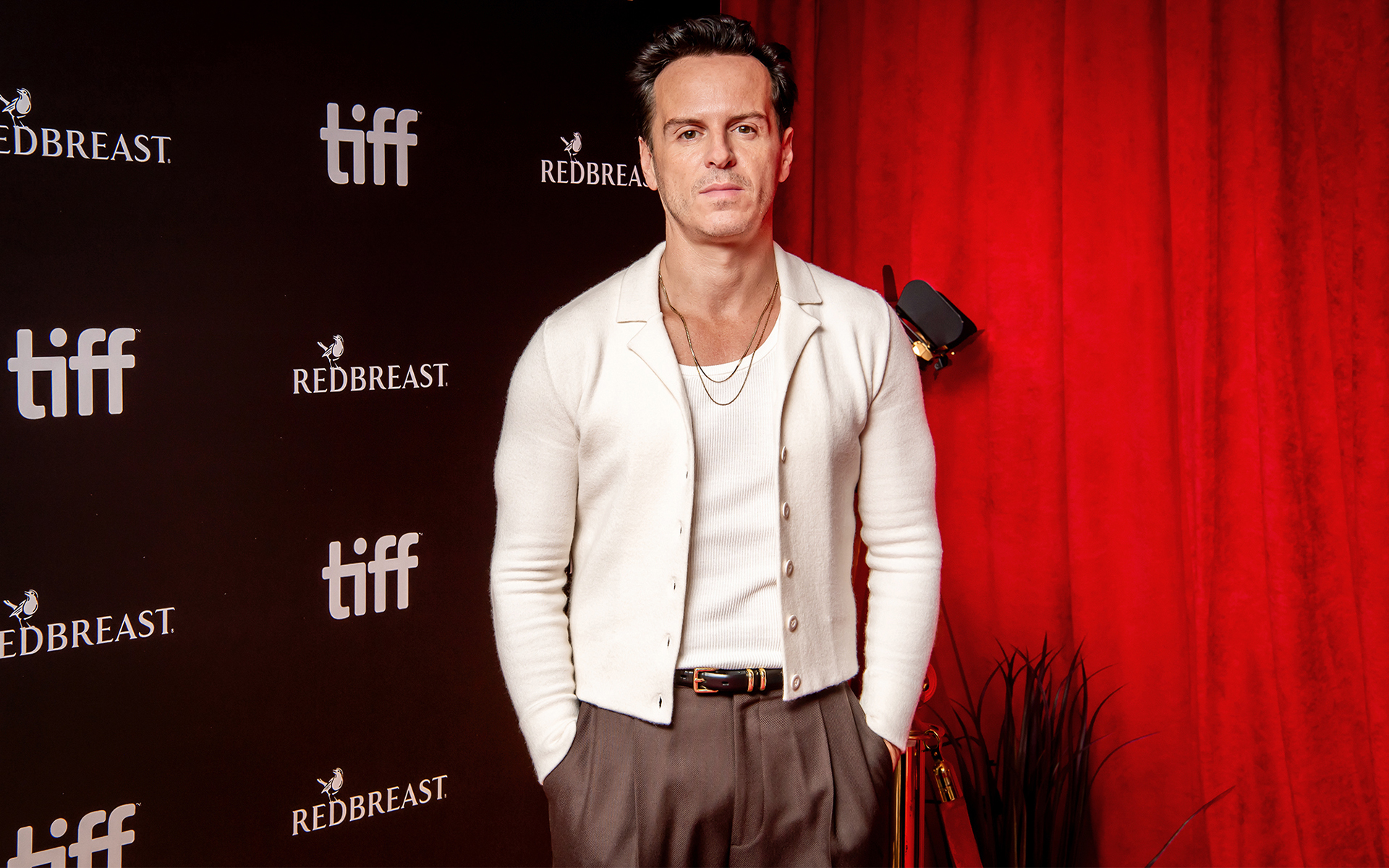
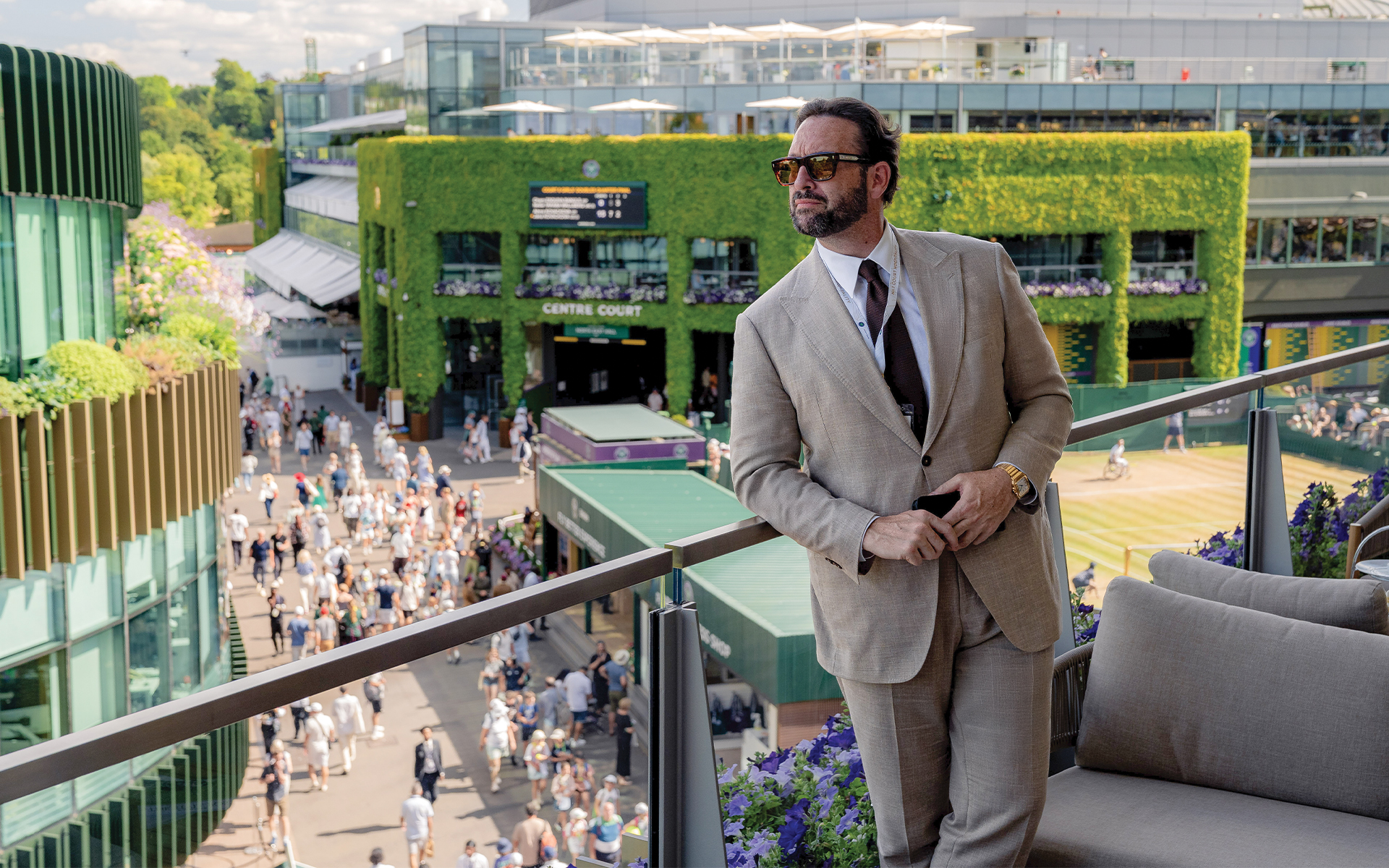
For the past 50 years, the Toronto International Film Festival has been a launching pad for emerging filmmakers. Rob Reiner’s The Princess Bride (1987) — his first film as both producer and director — it shifted his global perception from Mike “Meathead” Stivic in CBS’s All in the Family to a master of the romance genre. Paul Thomas Anderson’s TIFF premiere of Boogie Nights (1997) paved the way for him to become one of the most acclaimed filmmakers of his generation. Today, Canadian screenwriter and filmmaker Lloyd Lee Choi is yet another rising talent taking advantage of TIFF’s heritage and wealth of development programs.
“Don’t wait for permission and don’t cater to trends or what you think festivals are accepting. Be kind to your collaborators and be the curator of good energy on set. And make sure the film scares you a little bit.”
Lloyd Lee Choi’s advice to young filmmakers.
Earlier this year, Choi received the TIFF–CBC Films Screenwriter Award for his screenplay Yakult Ajumma (2025). Ahead of the festival’s 50th edition, we spoke with Choi about TIFF’s impact on Canadian filmmakers, the success of his recent work, and his feature film debut, Lucky Lu (2025).
What first inspired you to pursue filmmaking as a craft?
I had shot and edited a video for a physics project back in high school. It was documenting whether a GT Snowracer would have enough velocity over a ramp to clear three students lying on the ground. It didn’t. Making that school project immediately got me hooked to shooting and editing. Ever since then, I had found whatever way to keep doing that thing that was so fun — from no-budget music videos, to commercials, then short films, and now, a feature film.
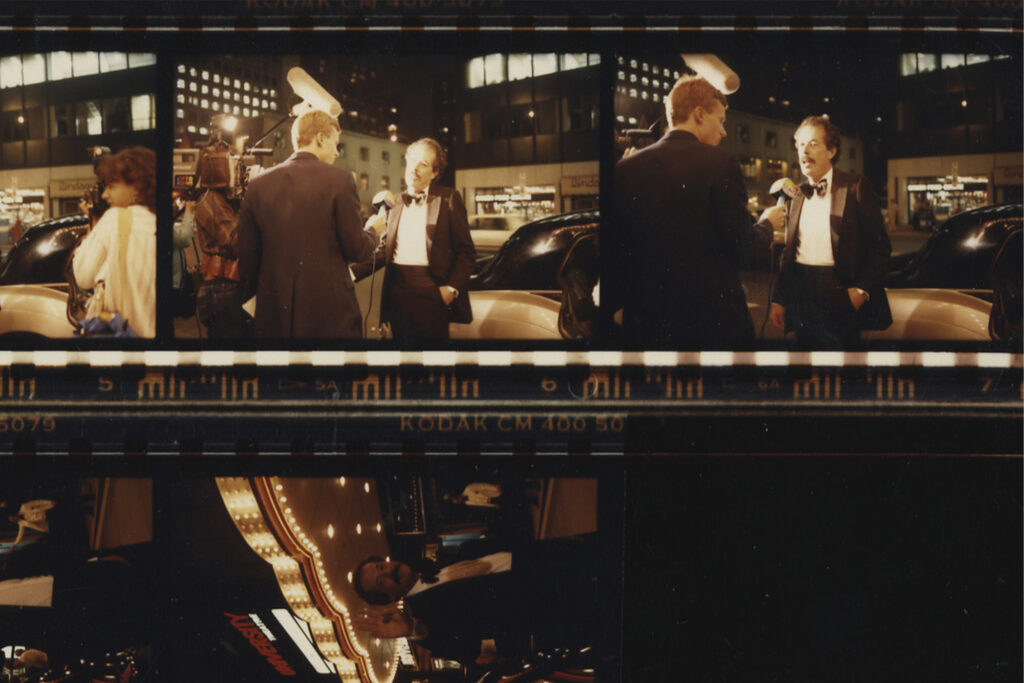
What was your first memory or impression of TIFF — as an audience member, cinephile, or filmmaker-in-the-making?
As a kid who grew up in Toronto, my first memory was always wondering why movie stars would come to Canada. As a kid walking by King Street, I was oblivious to it all. Now as a filmmaker, TIFF is one of my favourite places to premiere a film and truly feels like screening to a hometown audience.
How has your relationship with major festivals such as TIFF evolved throughout your career?
Major festivals are often so good at curating films from all over the world. So, it’s been my way of experiencing international cinema and meeting incredible filmmakers from all walks of life. It feels like a privilege to see these films in the cinema with other film lovers, as these smaller films often don’t reach the theatres in U.S. or Canada.
How have TIFF development programs impacted your approach to filmmaking?
TIFF development programs have encouraged me to dig deeper into my work, provided support to give me the space to write, and always encouraged the filmmaker’s singular voice. That consistent support in a filmmaker’s career is so important.
To young filmmakers hoping to follow in your footsteps, what advice would you offer?
Just go make your film, whether short or long. Don’t wait for permission and don’t cater to trends or what you think festivals are accepting. Be kind to your collaborators and be the curator of good energy on set. And make sure the film scares you a little bit.
“I hope [Lucky Lu] makes people think and speak about the invisible working class. Not in grand, sociological ways, but in small, human ones.”
Lloyd Lee Choi on his debut film, “Lucky Lu.”
How important is a sense of community to your creative growth?
The best part of TIFF, and any festival, is finding those filmmakers you immediately feel connected to. I mean, we’re all basically trauma bonded. It’s so difficult to make any film, and it’s grounding and exciting to know you’re not alone in your masochistic love of the process. Nothing like a beer after a premiere to share horror stories.
What aspects of your film do you hope resonate specifically with a TIFF audience?
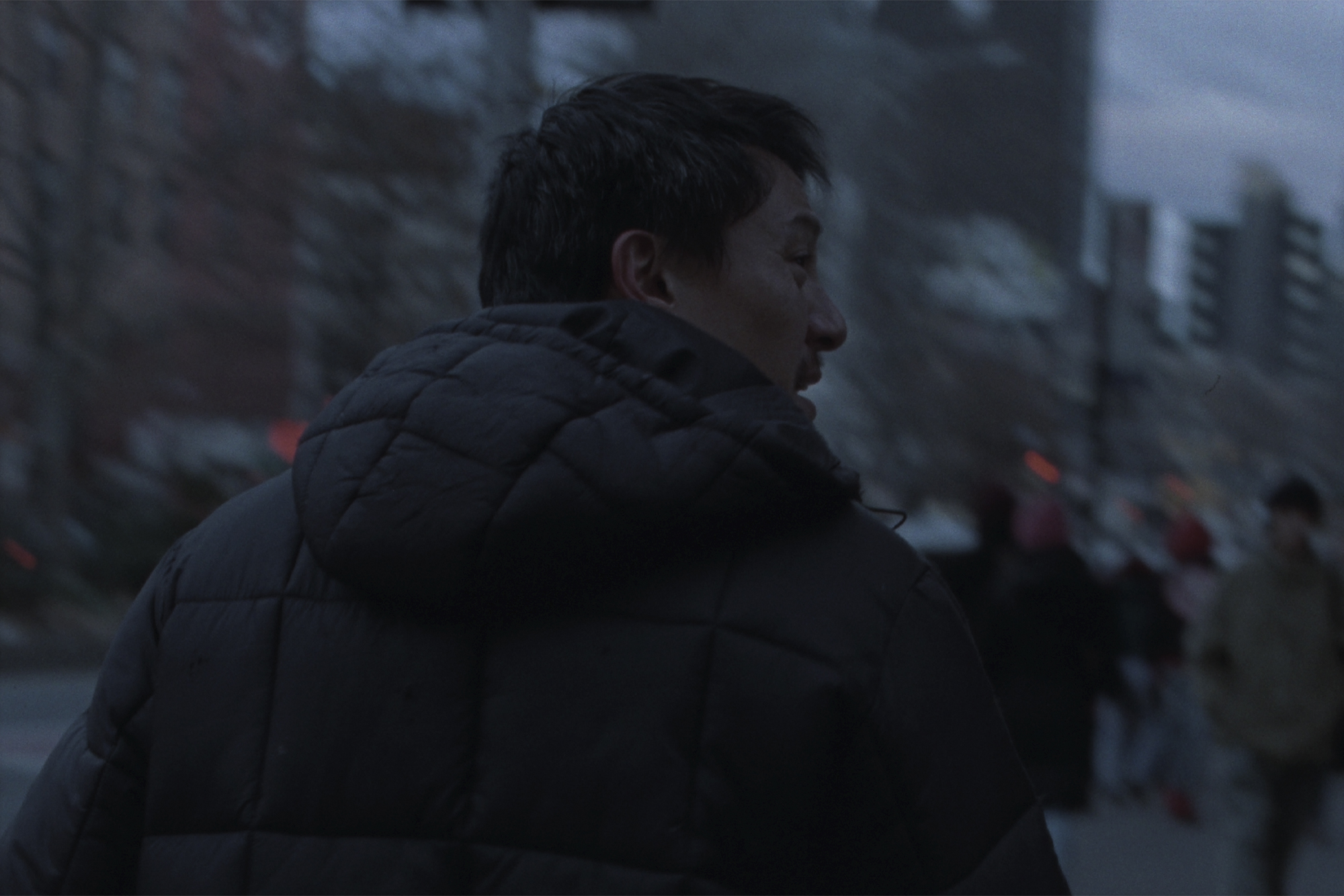
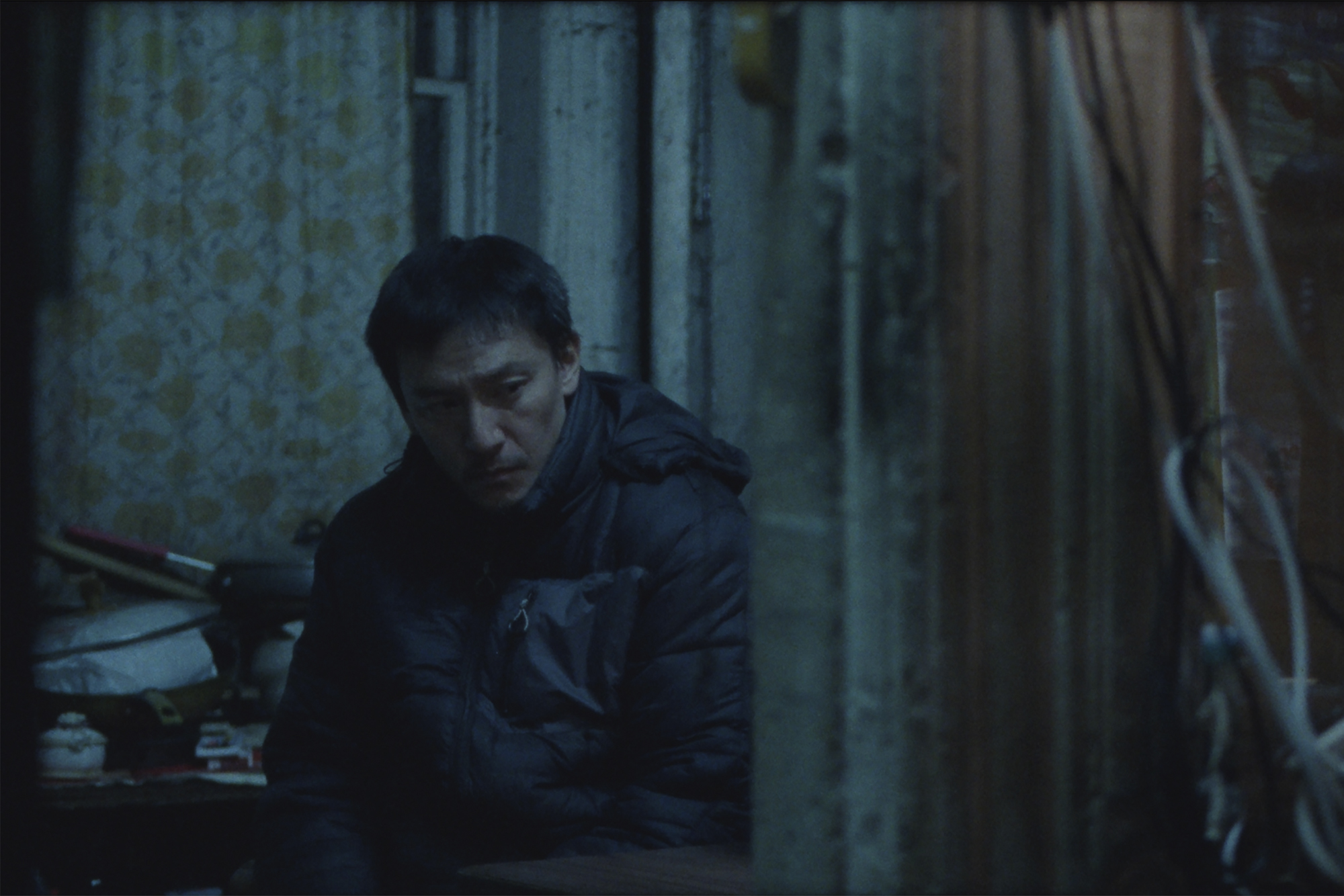
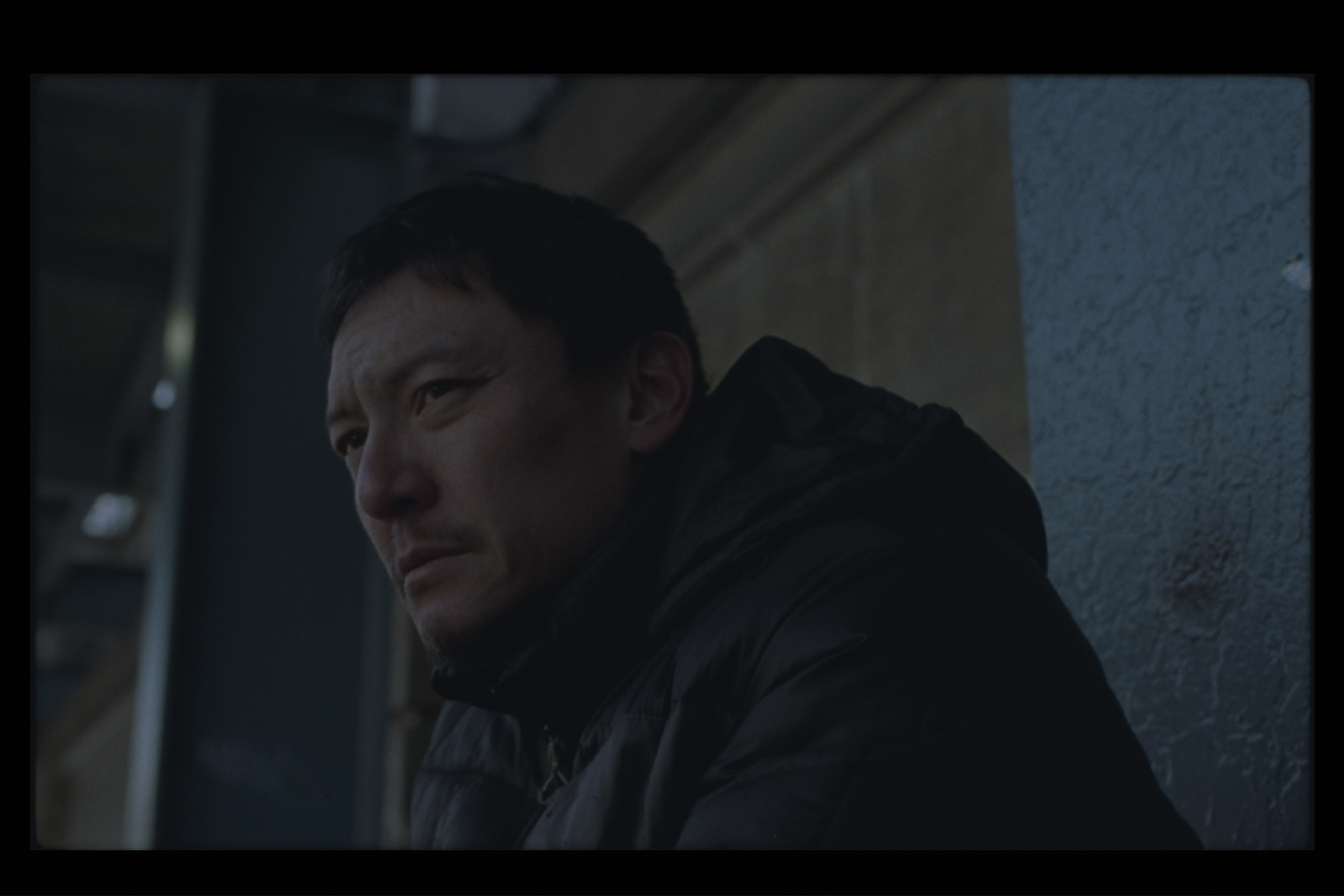
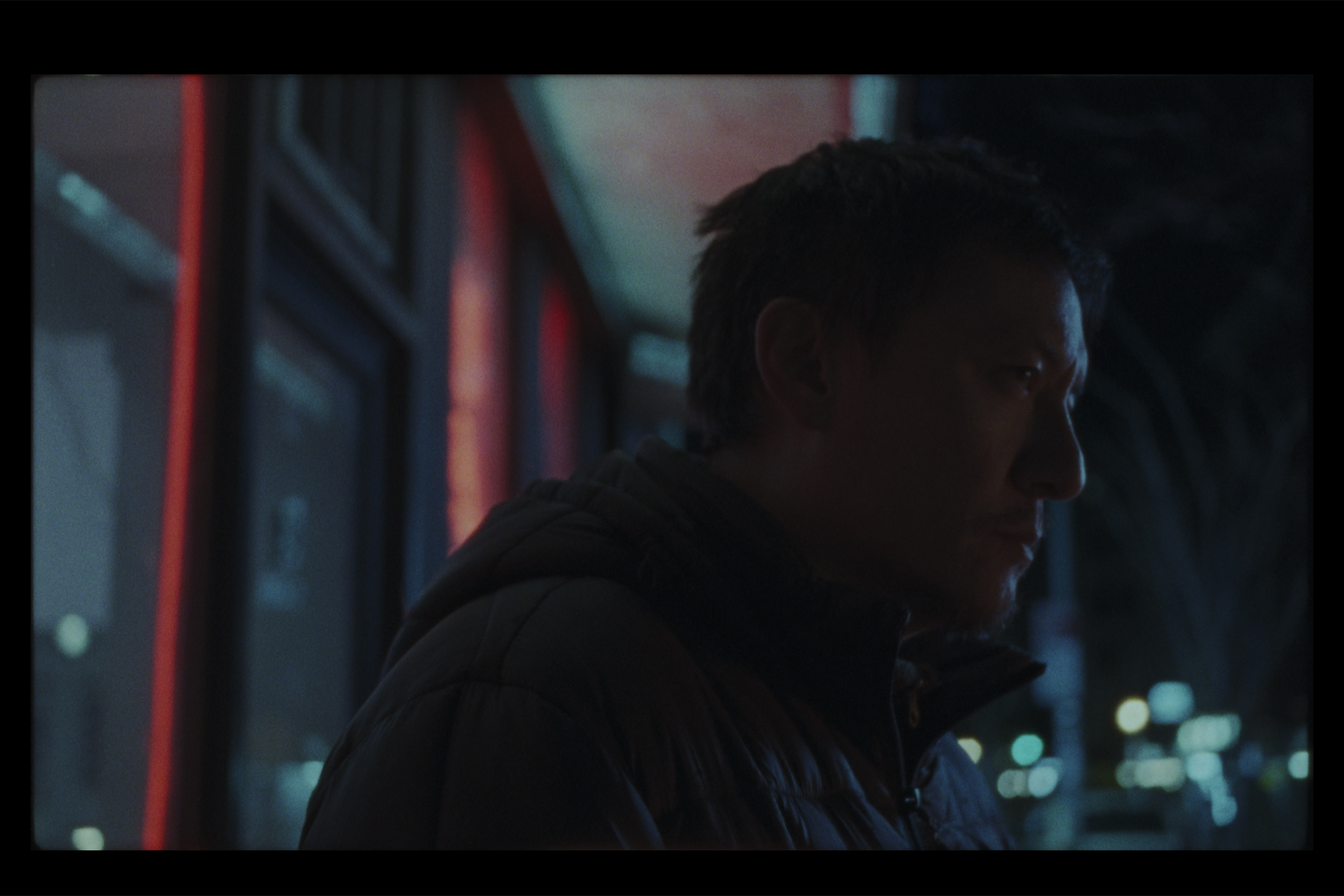
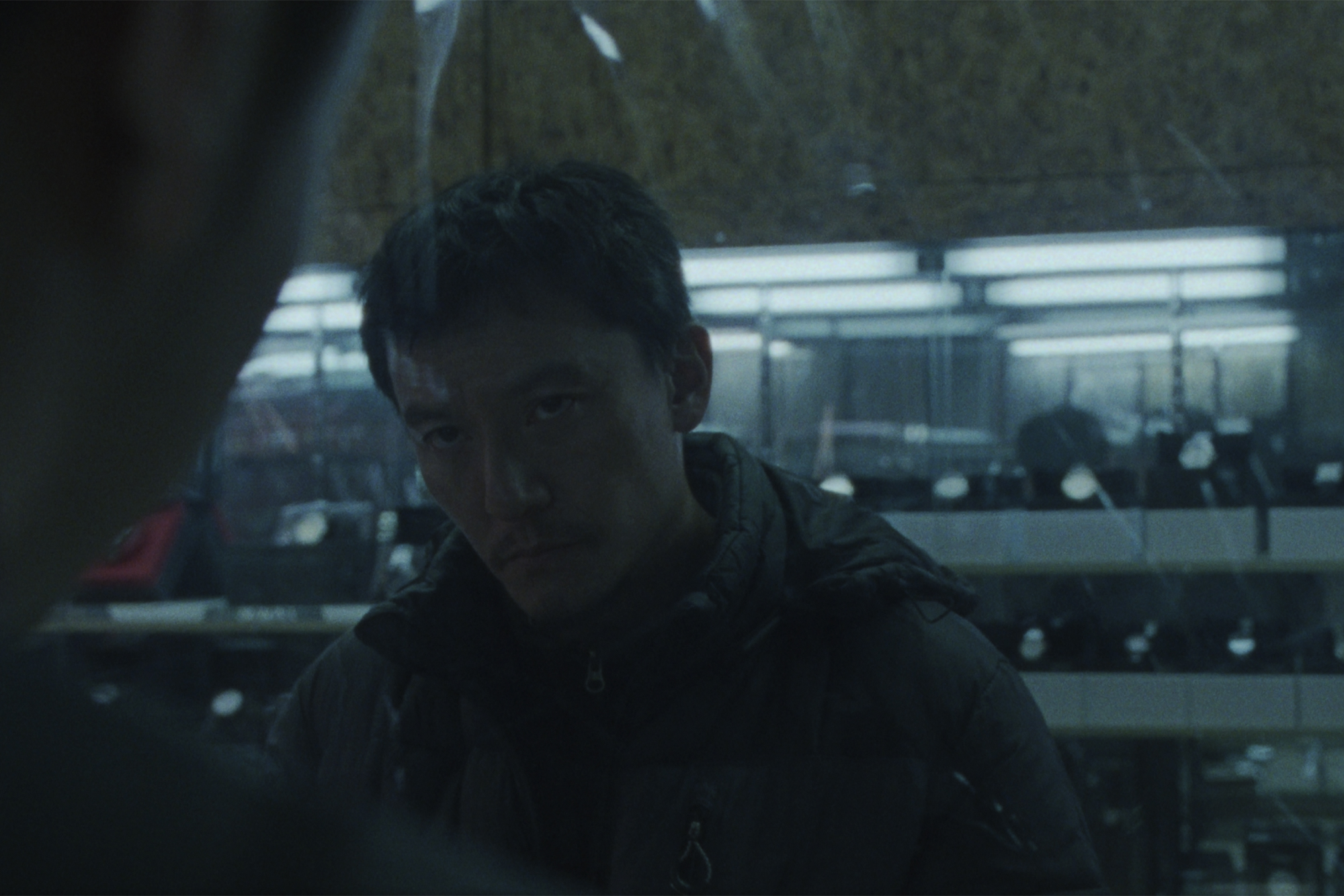
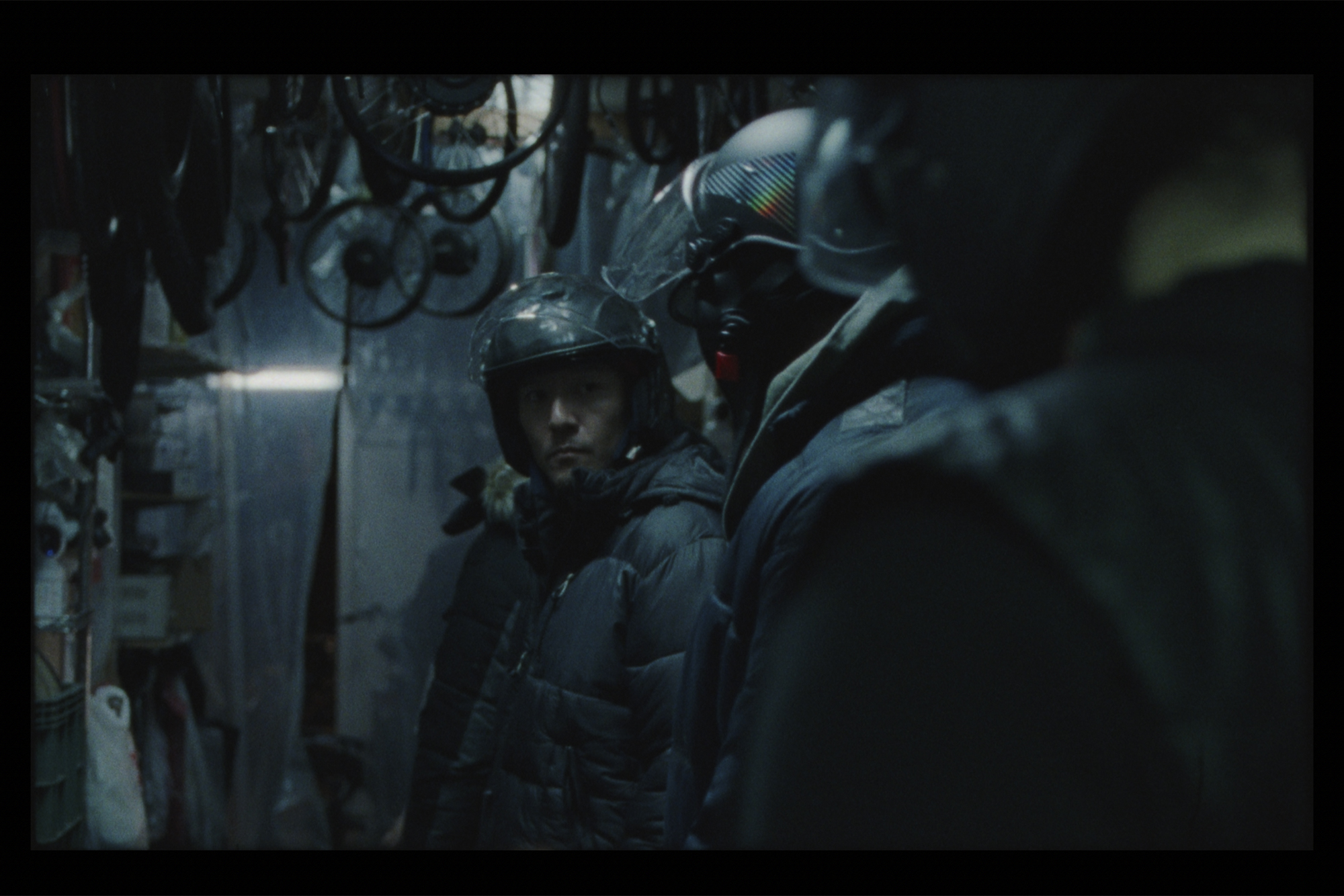
Lucky Lu is about a man who’s trying to be a good father in a city and society that doesn’t make that easy. It’s about the quiet sacrifice for family, and the invisible labor that move all around us who all have stories worth telling. I hope TIFF audiences feel the humanity in these stories. At the very least, I hope they see that delivery worker handing off their food at midnight a bit more empathetically.
What conversations do you hope your work sparks within the broader context of TIFF’s lineup this year?
I hope it makes people think and speak about the invisible working class. Not in grand, sociological ways, but in small, human ones.
Feature image courtesy of Anne Stewart.