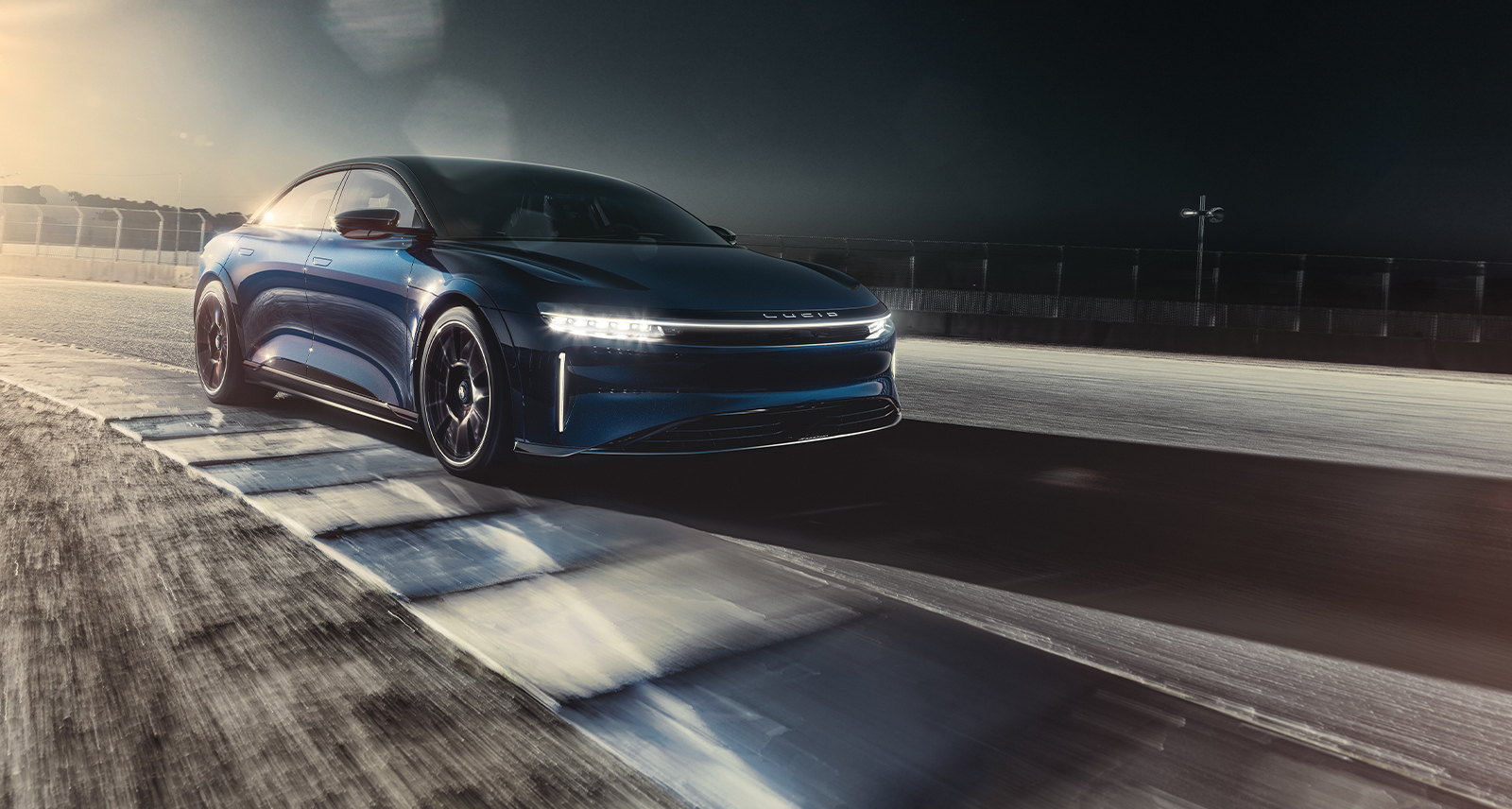
Heading into 2026, it’s impossible to ignore the fact that EVs have hit a bit of a speed bump. They’re still the future, but the future will take a little longer to get here than we (or the automakers) thought. Why? It’s a long story but the short version is that there have been untimely rollbacks of consumer incentives, rollbacks of ambitious environmental targets, and a resulting rollback in consumer demand across U.S. and Canada. The lack of public fast-charging in Canada is still certainly an issue too. That said, every auto exec knows EVs are the future, and if you’re driven them, then you get it too. This year, 2026, will bring a spectacular variety of highly anticipated EVs, from lux SUVs, to roadsters, to sport sedans. So, without further delay, here are the new EVs our editors are most looking forward to in 2026:
Porsche Cayenne Electric
Porsche Cayenne Electric

Porsche Cayenne Electric
Porsche Cayenne Electric
Porsche Cayenne Electric
Porsche Cayenne Electric
Porsche Cayenne Electric
Porsche Cayenne Electric
Porsche Cayenne Electric
Porsche Cayenne Electric
Porsche Cayenne Electric
Porsche Cayenne Electric
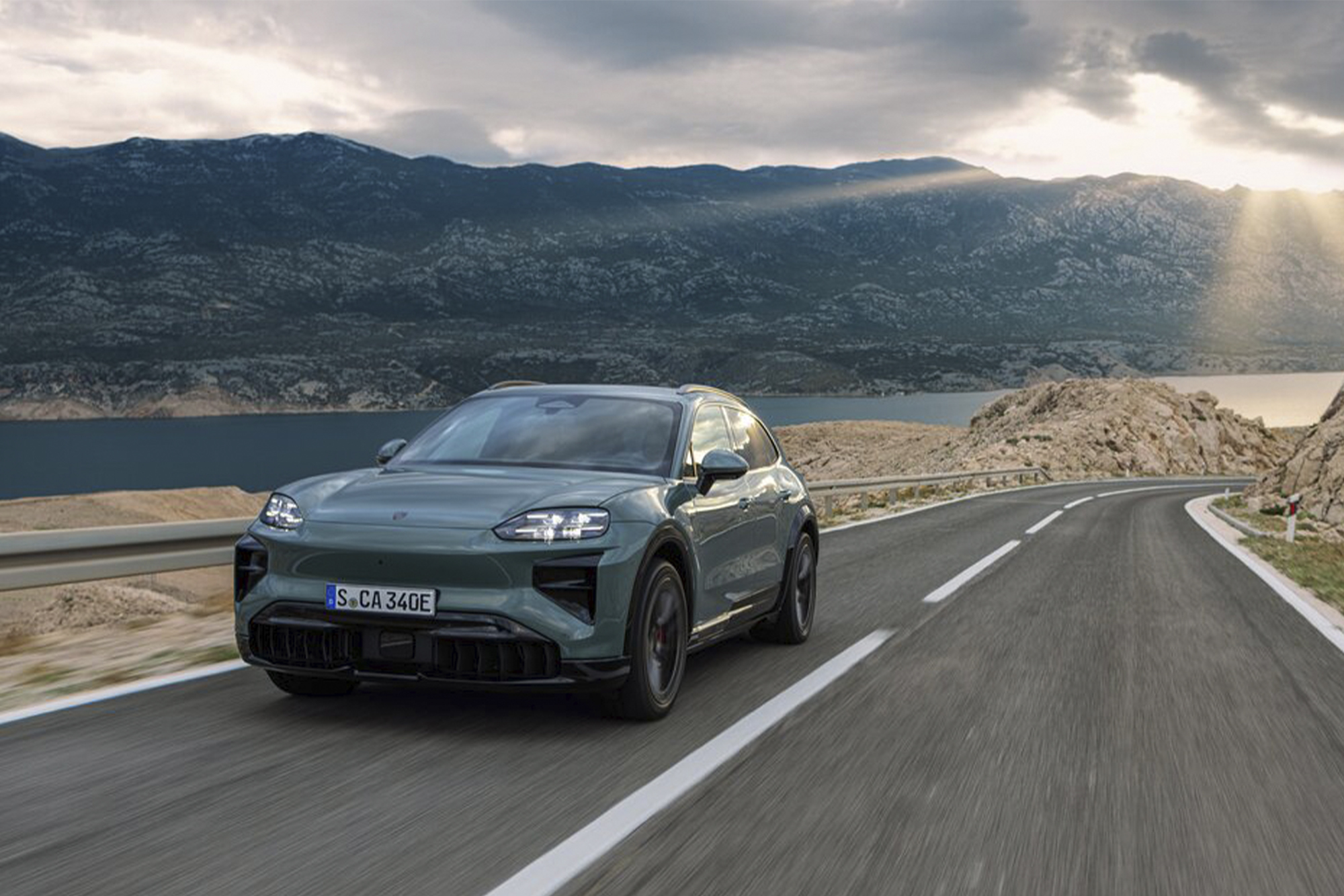
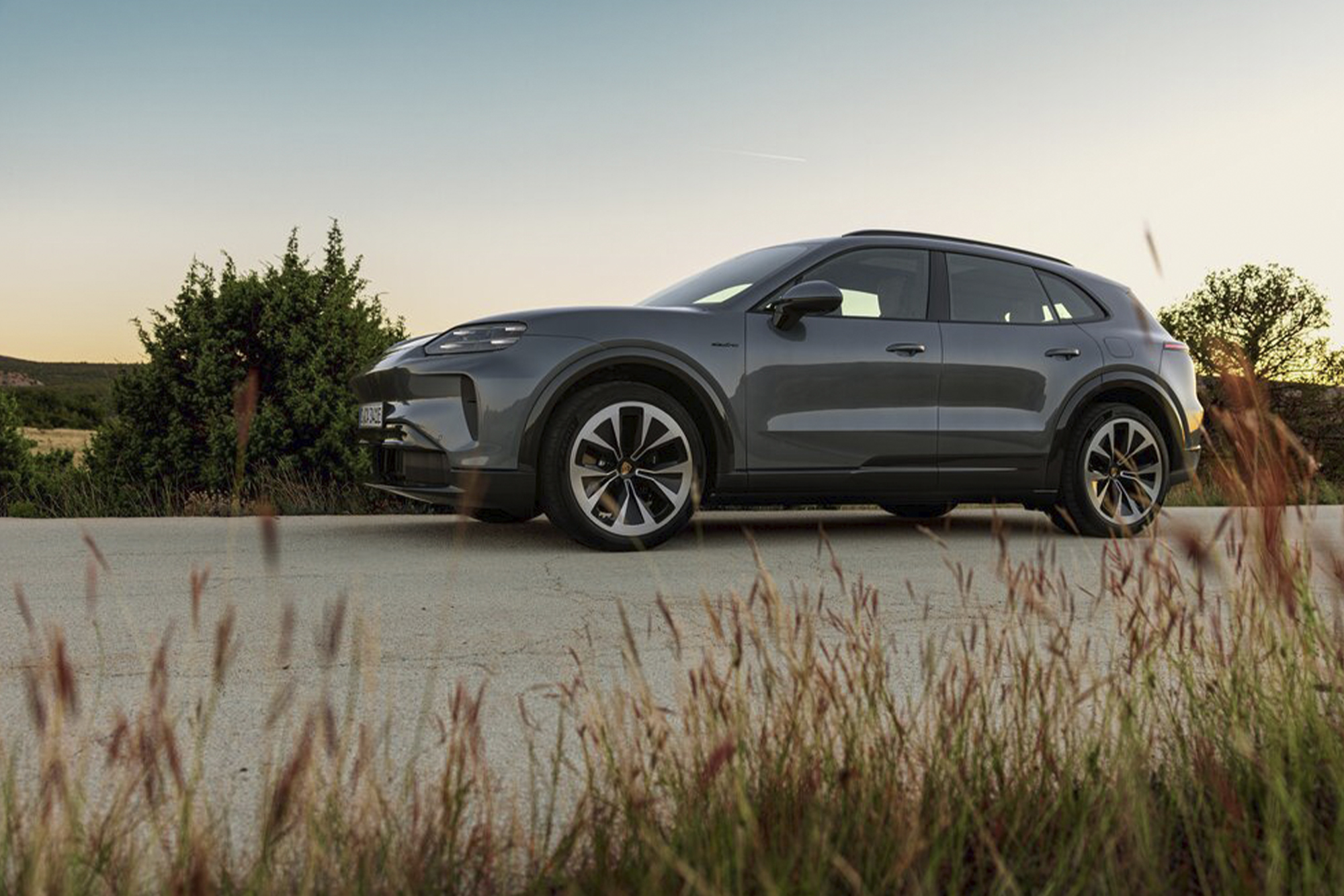
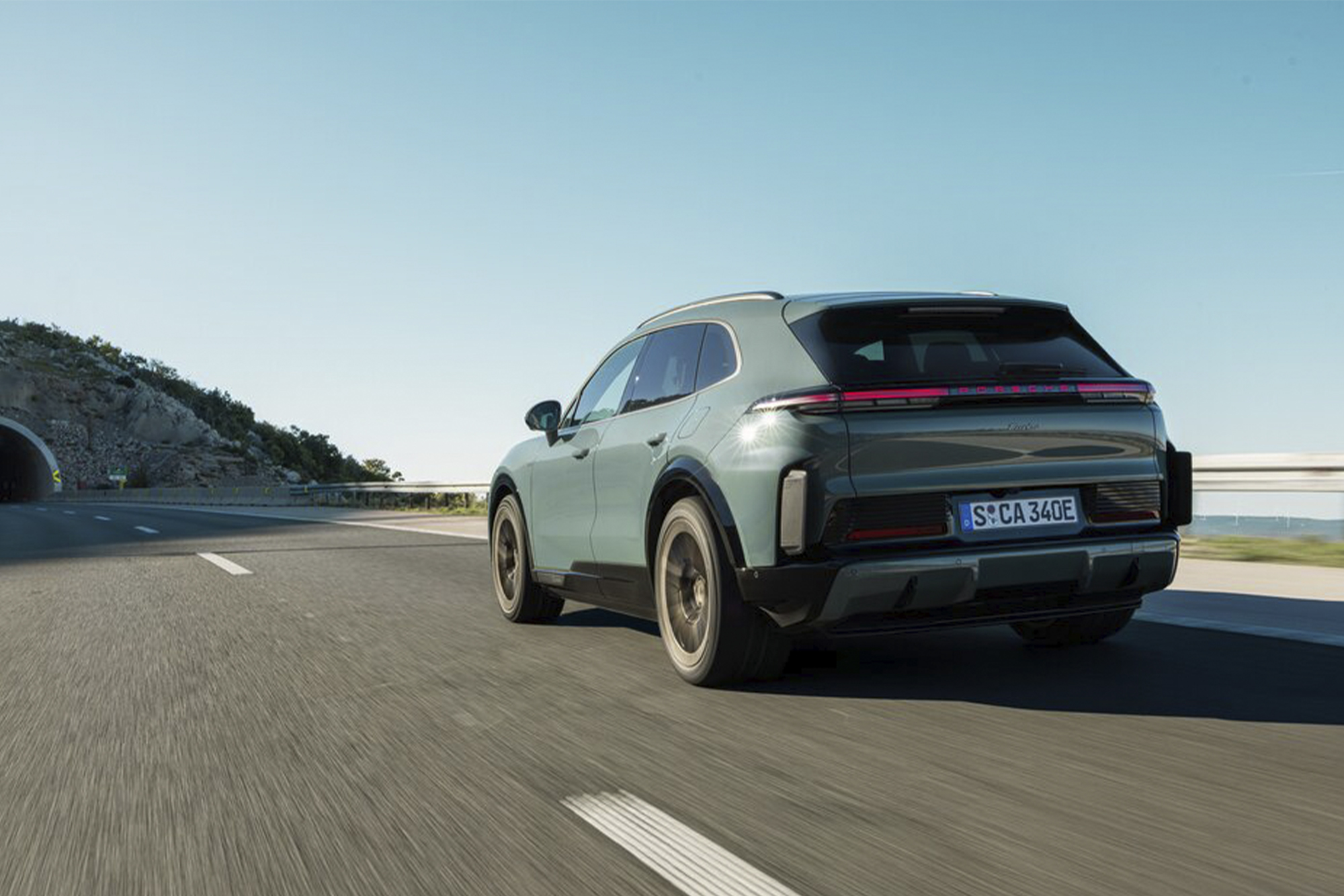
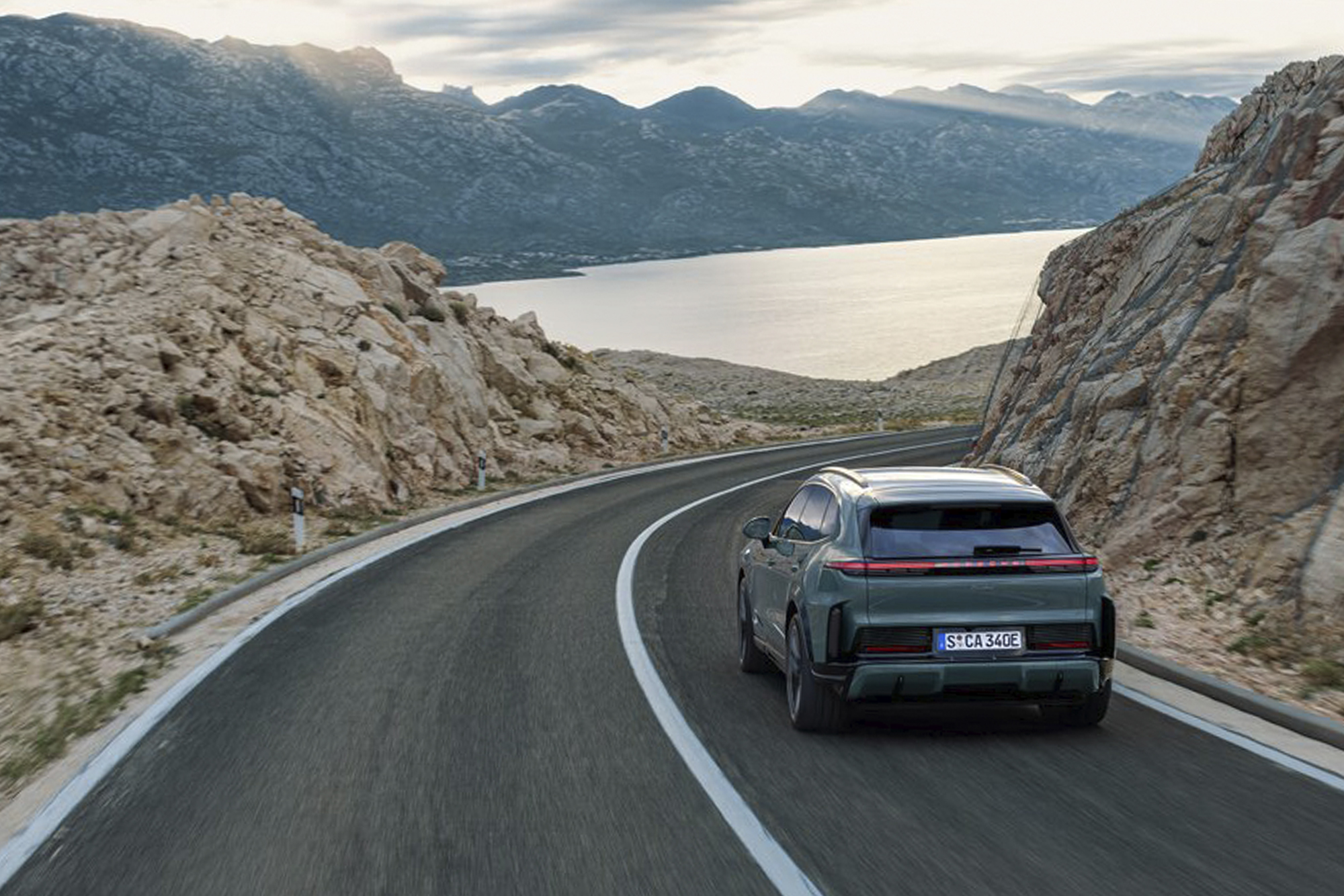
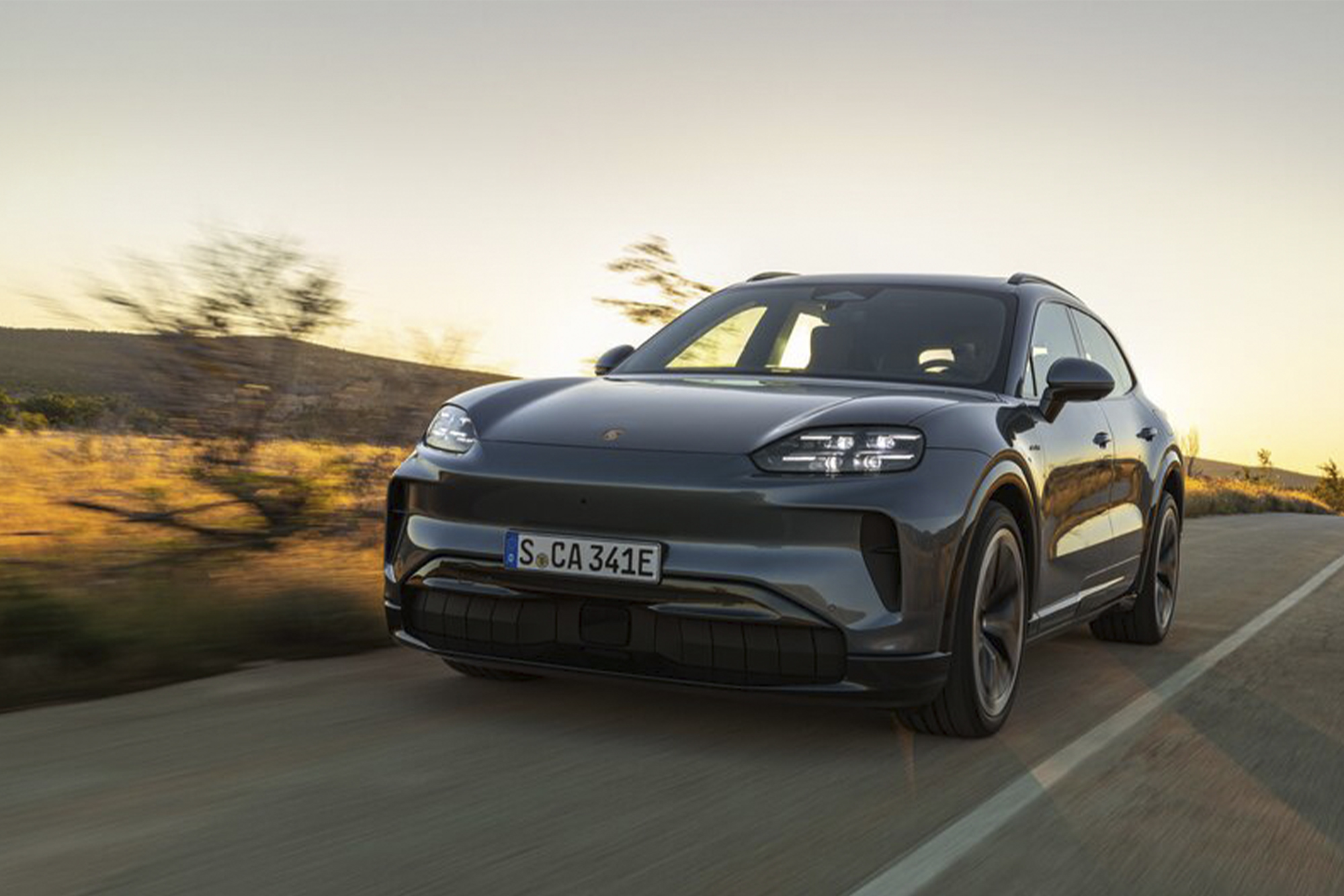
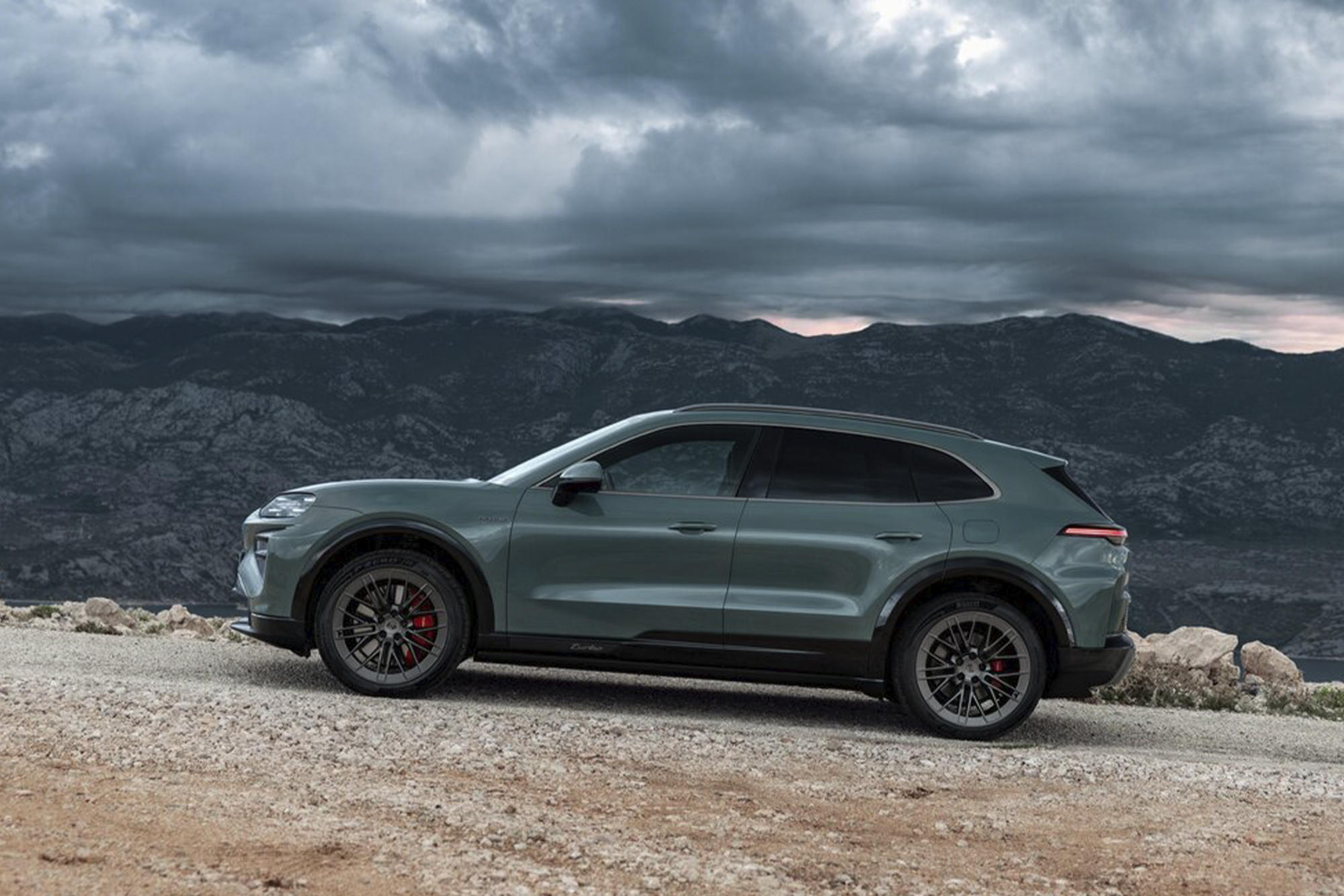
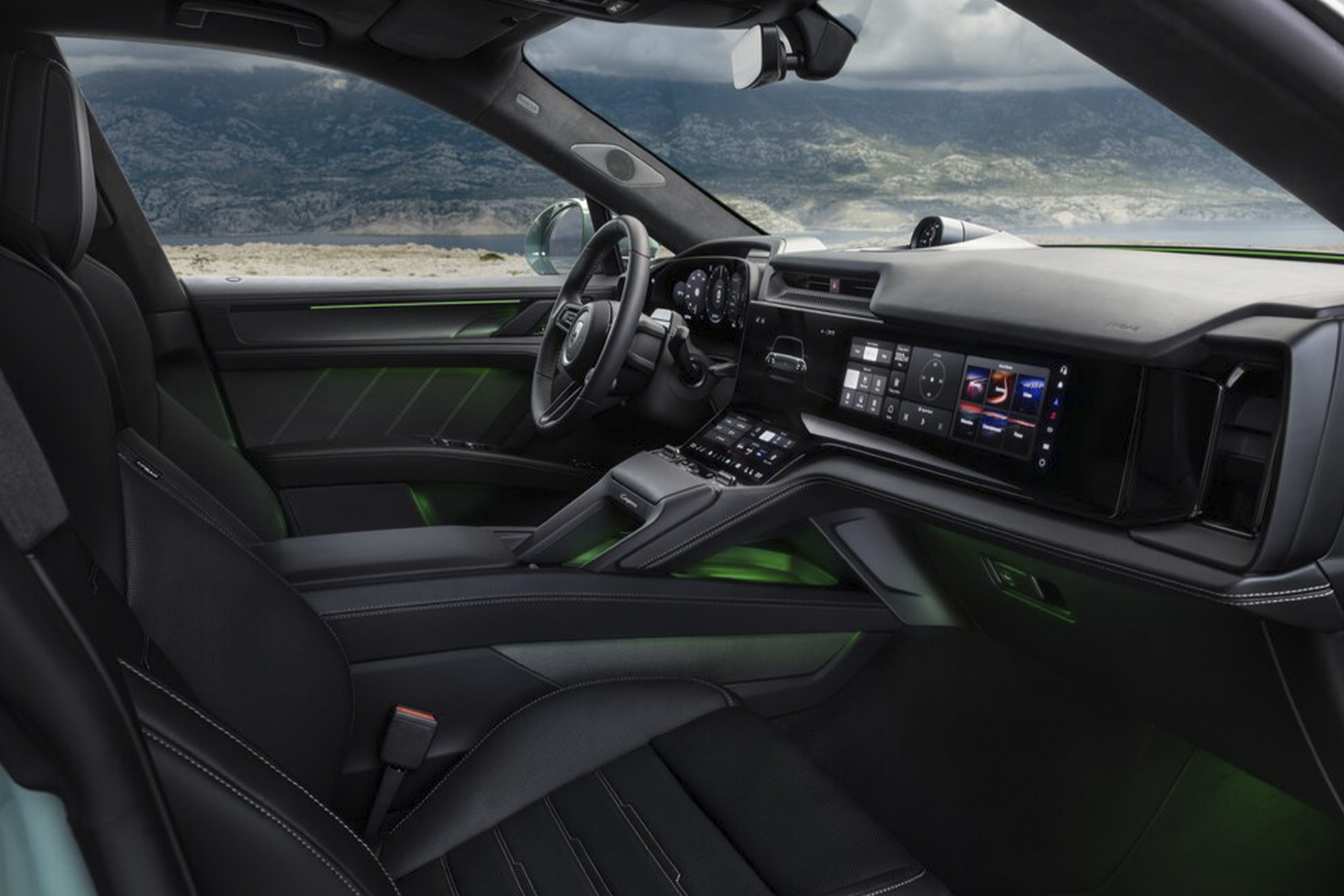
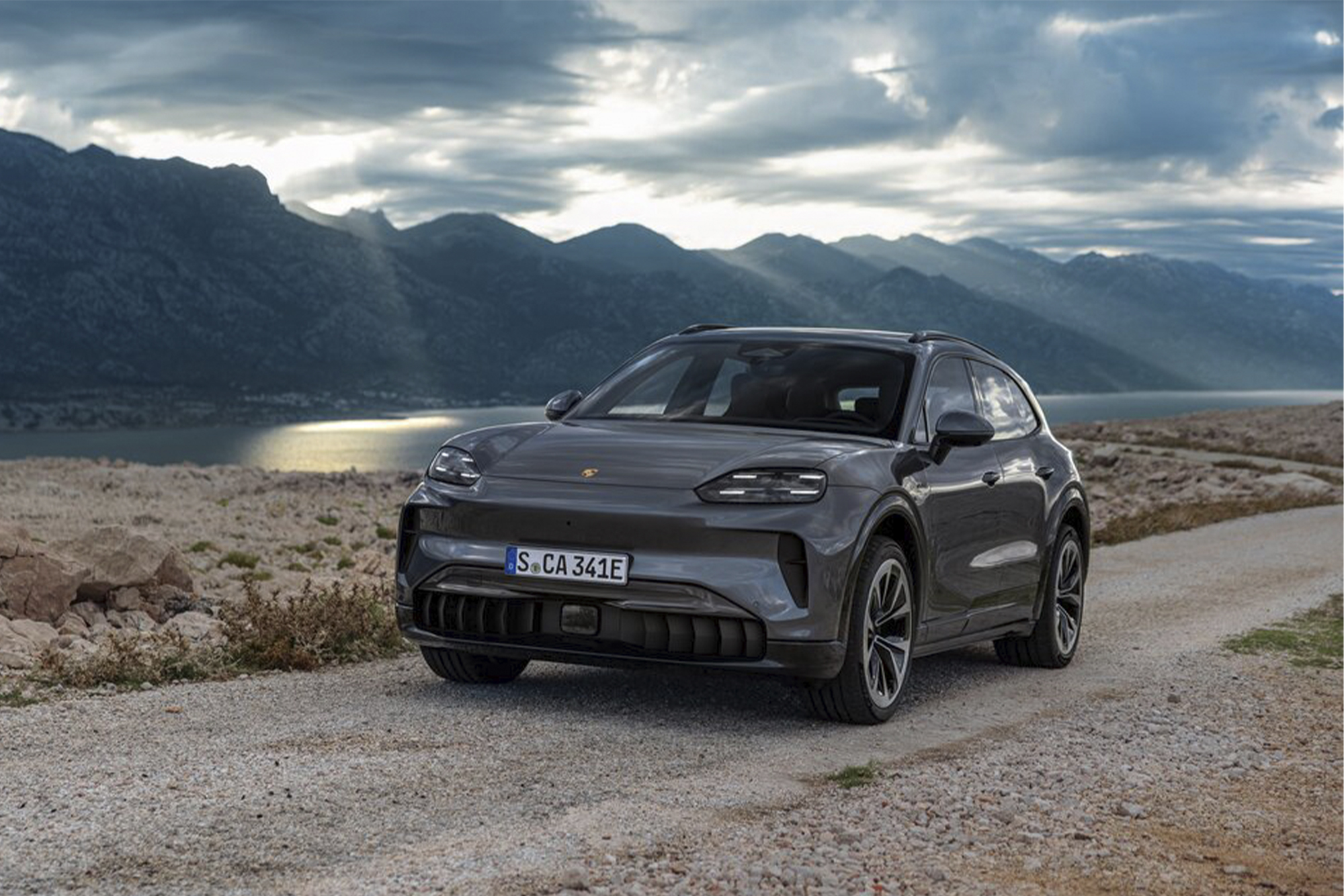
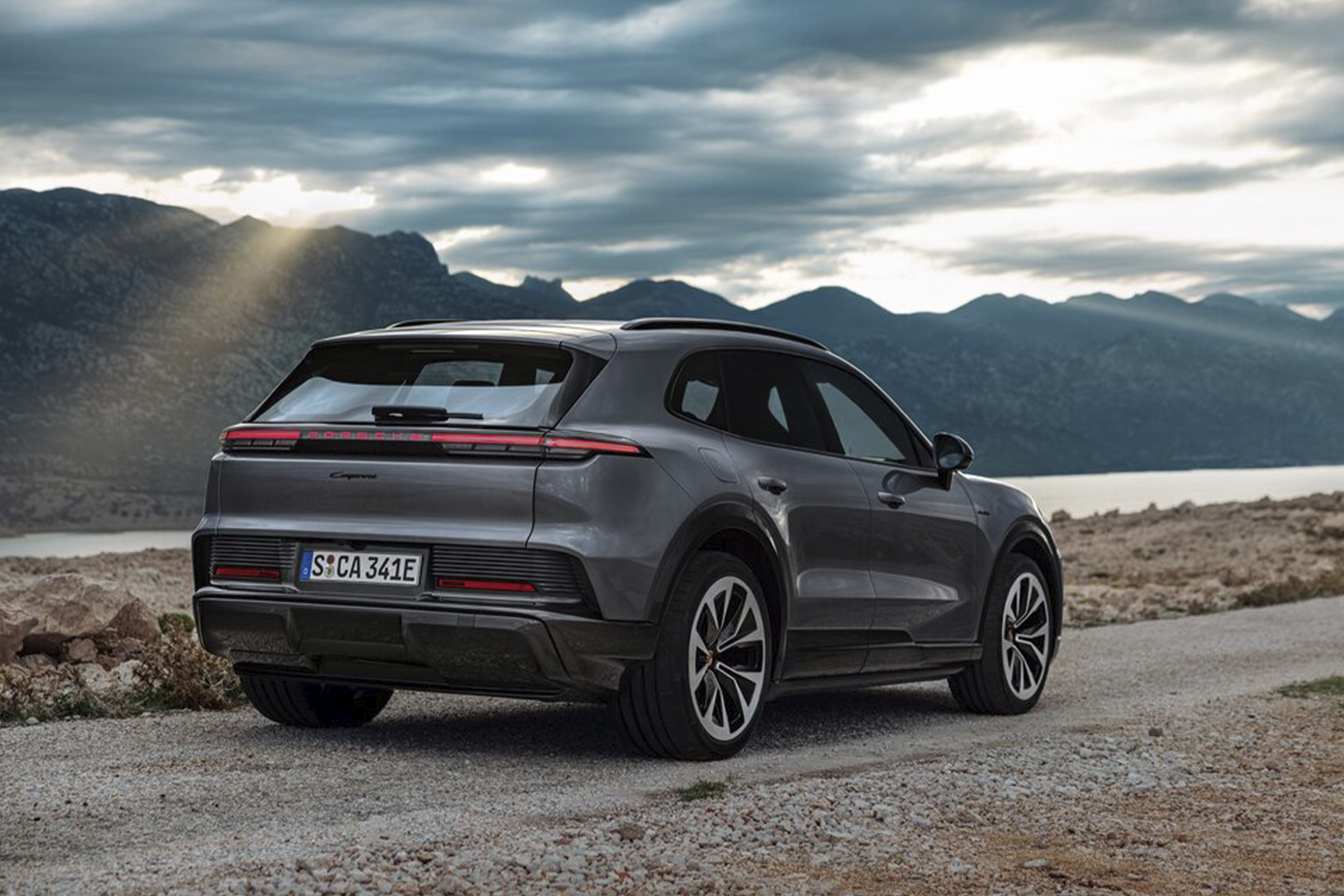
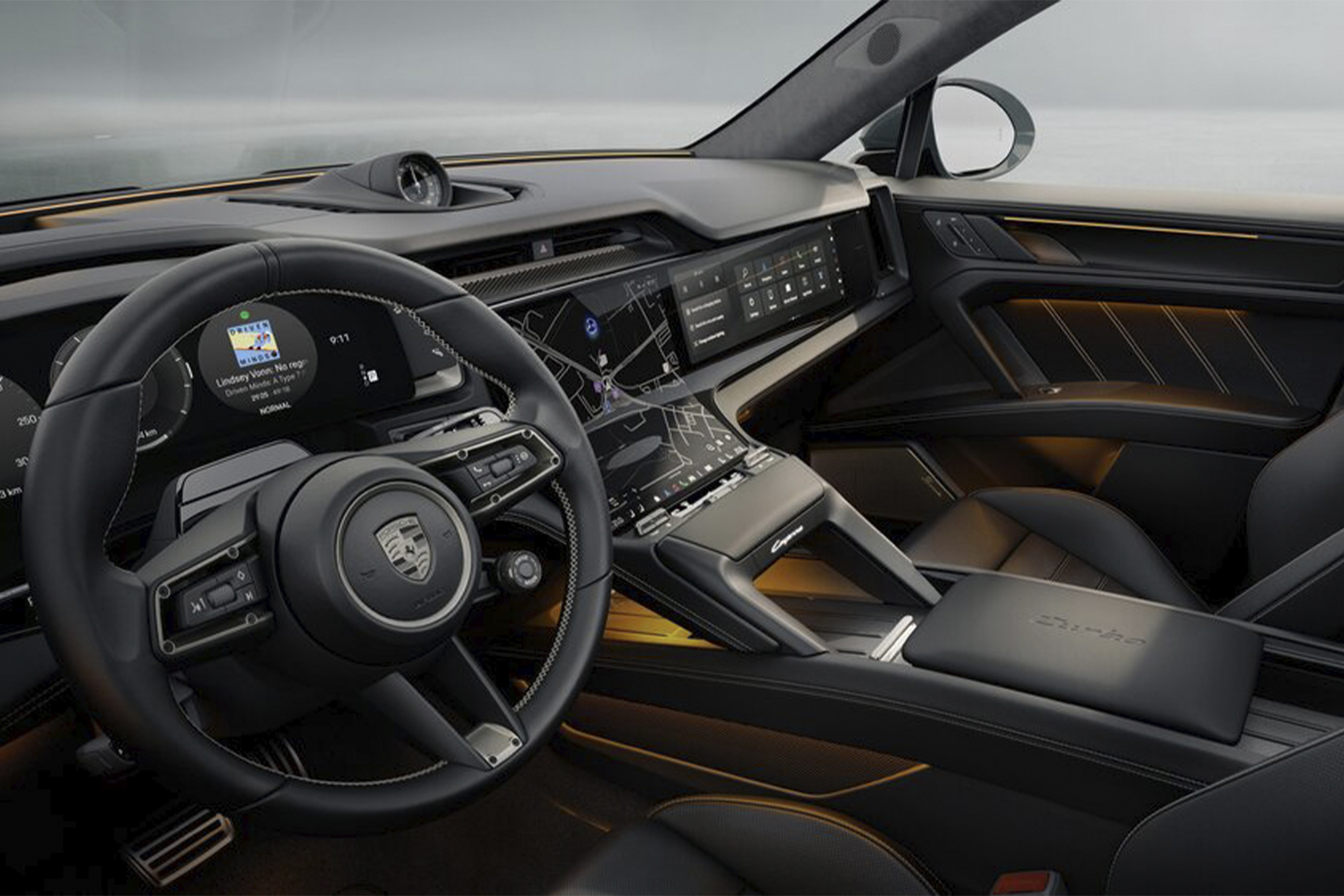
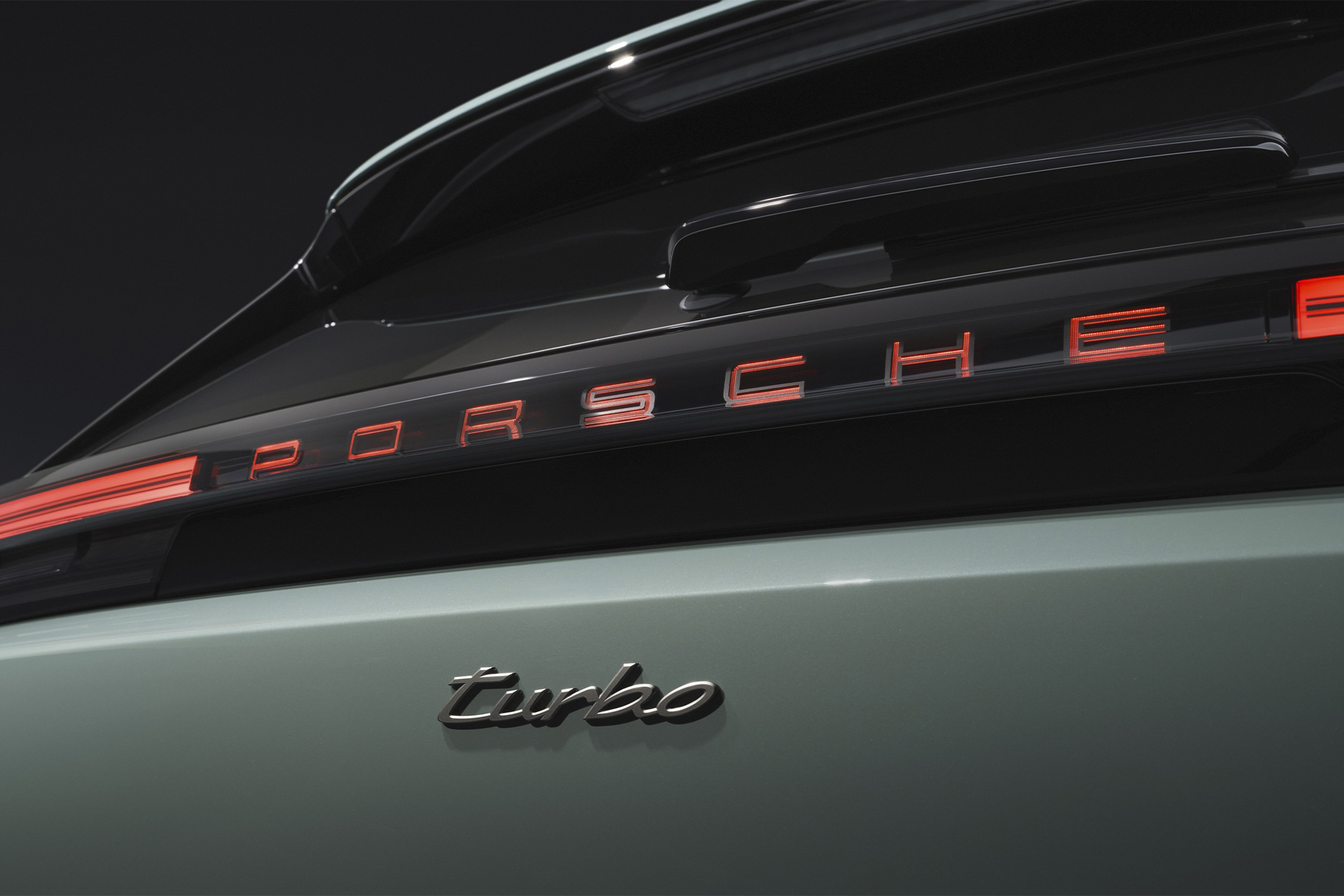
At long last, the Cayenne is going electric. But before the purists start to fret, don’t worry, the gas-burning Cayenne is sticking around too, as are the hybrid models. But the EV is the one to keep your eye on, if you can. With 1,139 horsepower and 1,106 lb-ft of torque, the Electric Turbo can do 0-100 km/h in a zippy 2.5 seconds — which is significantly quicker than a GT3 RS — and it’ll rocket to 200 km/h in 7.4 seconds. (The standard Cayenne Electric is no slouch either, with 402 hp.) The killer feature, however, isn’t speed, it’s the optional wireless charging pad. Park on top of it and the Cayenne Electric will recharge by itself, no plugs, no fuss.
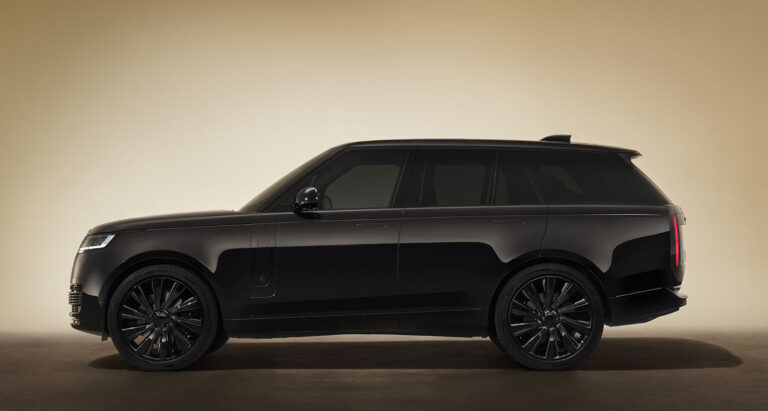
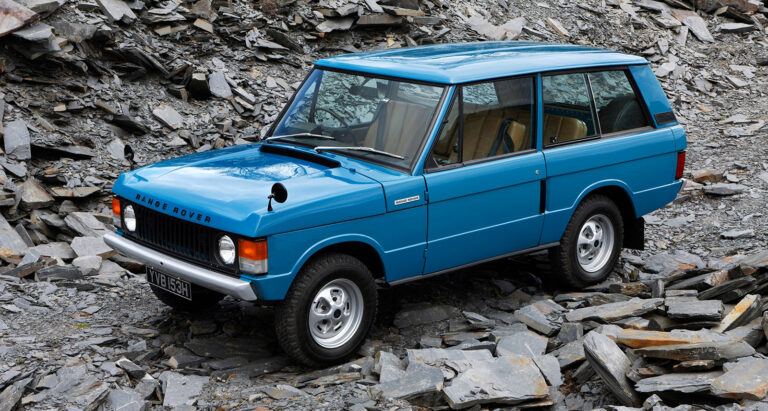
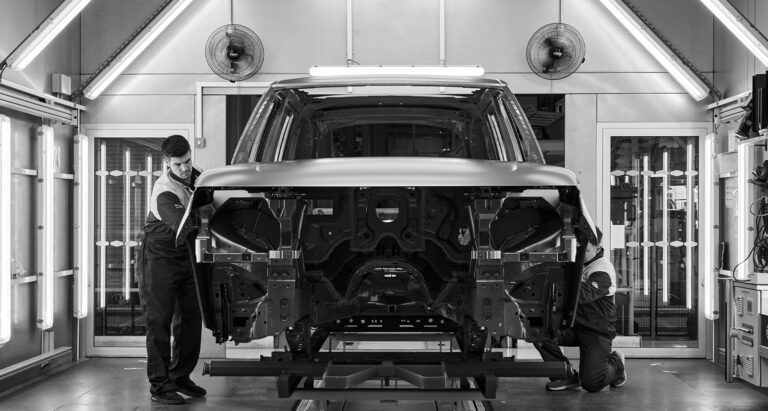
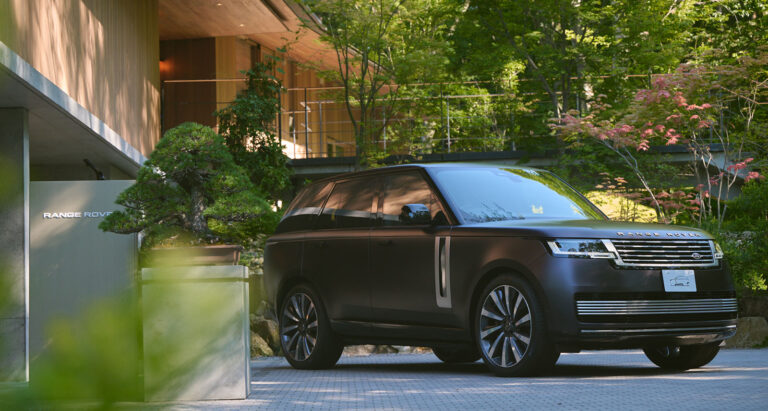
Range Rover Electric
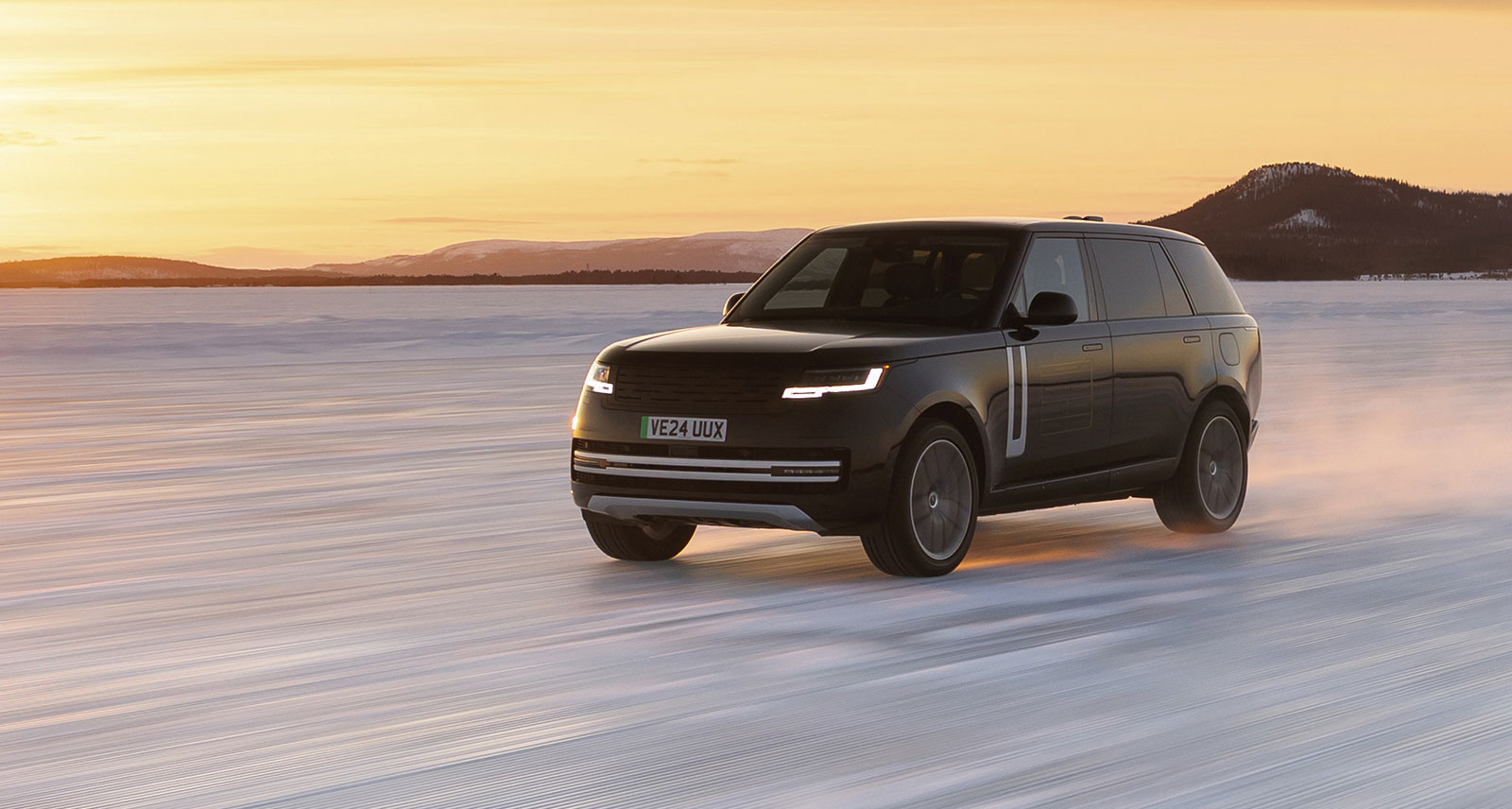
The Quiet Revolution





Mercedes-Benz CLA
Mercedes-Benz CLA
Mercedes-Benz CLA
Mercedes-Benz CLA
Mercedes-Benz CLA
Mercedes-Benz CLA
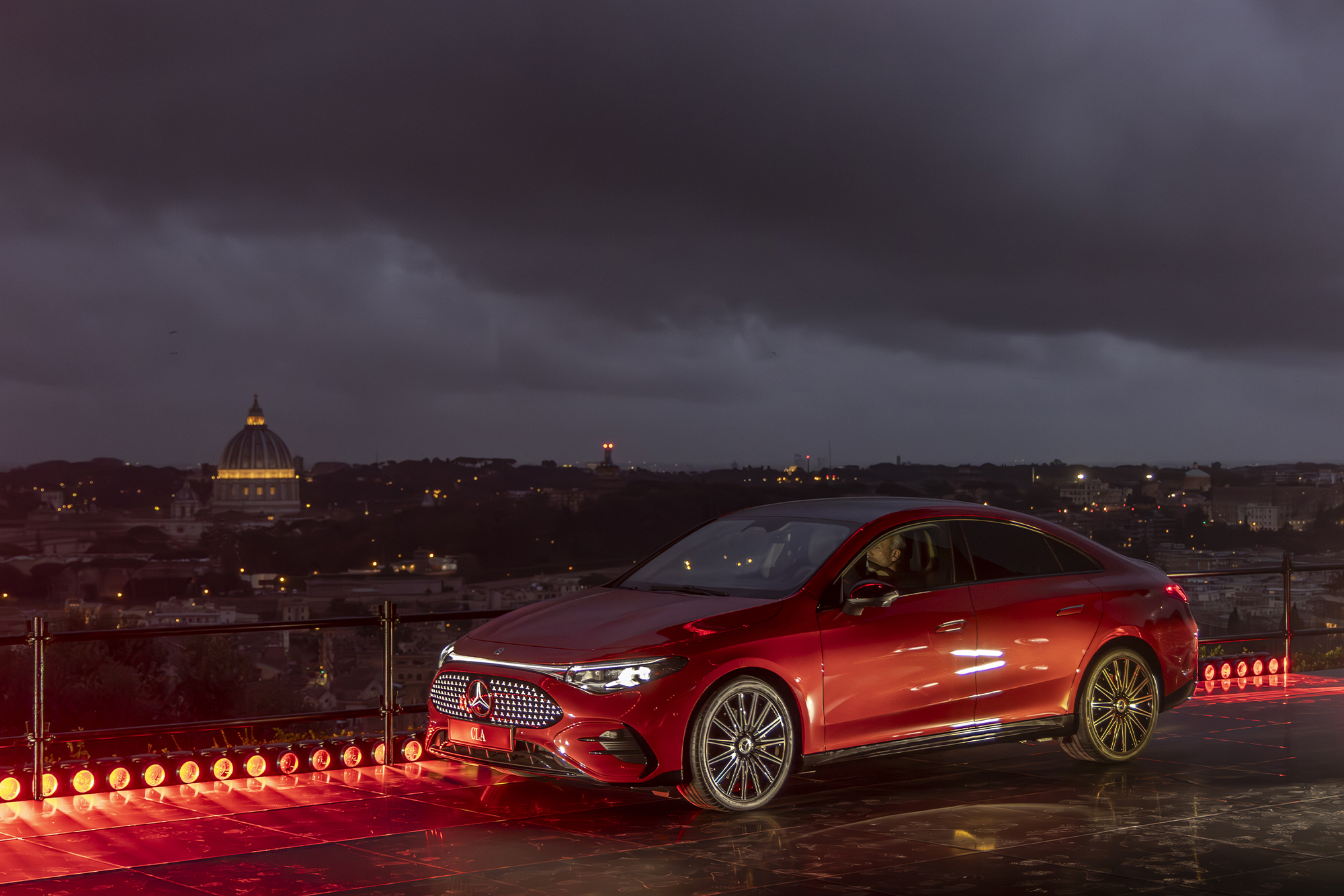
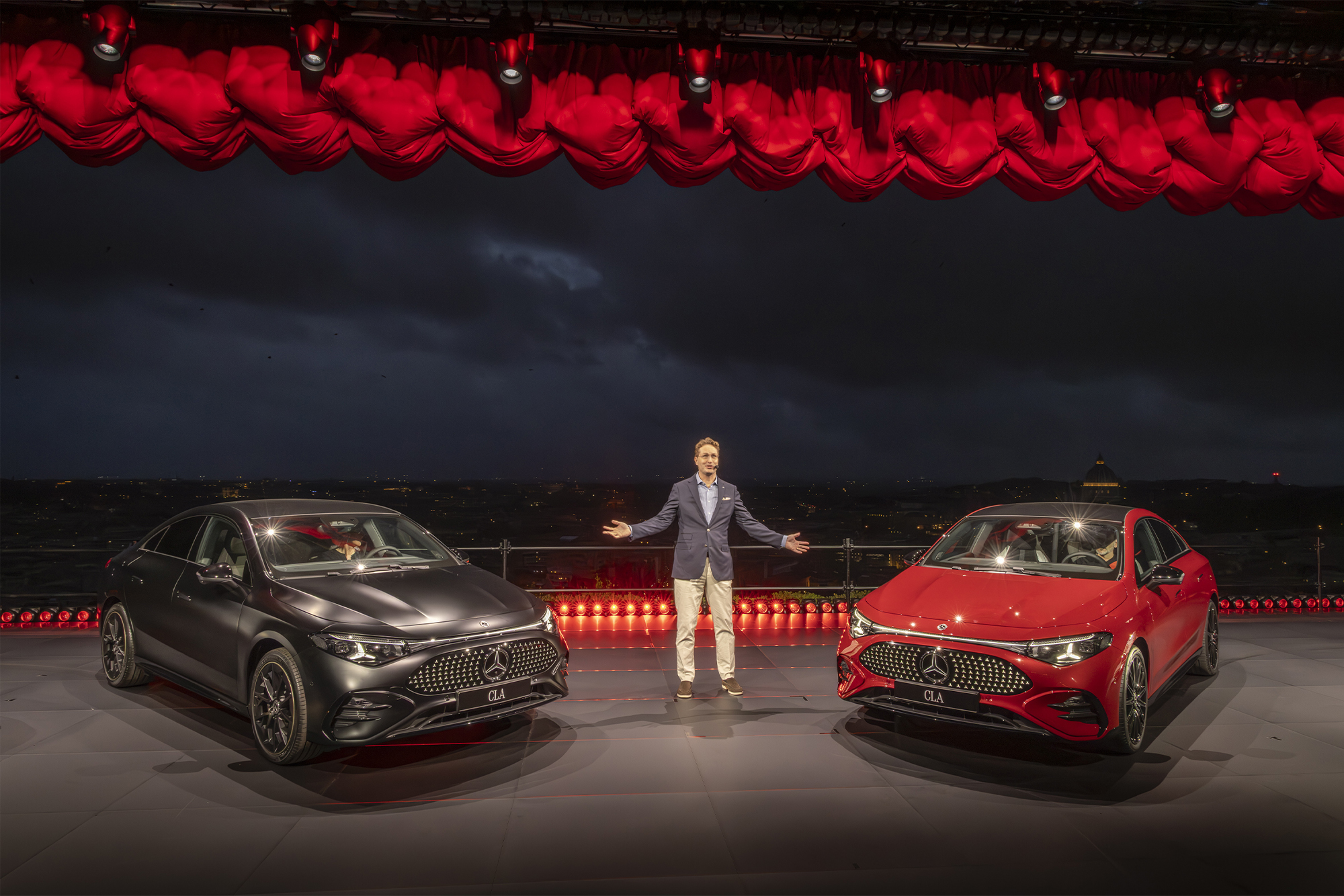
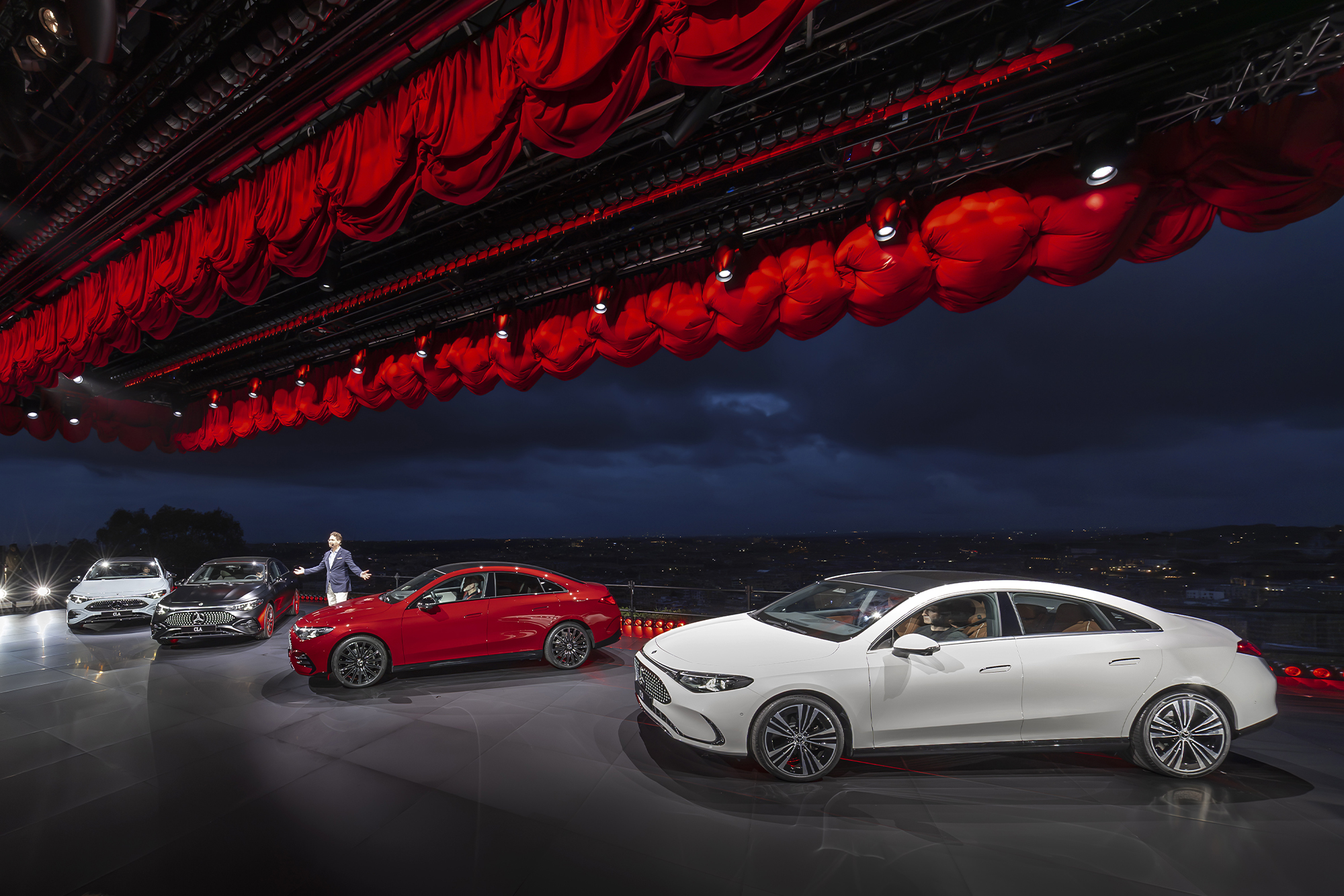
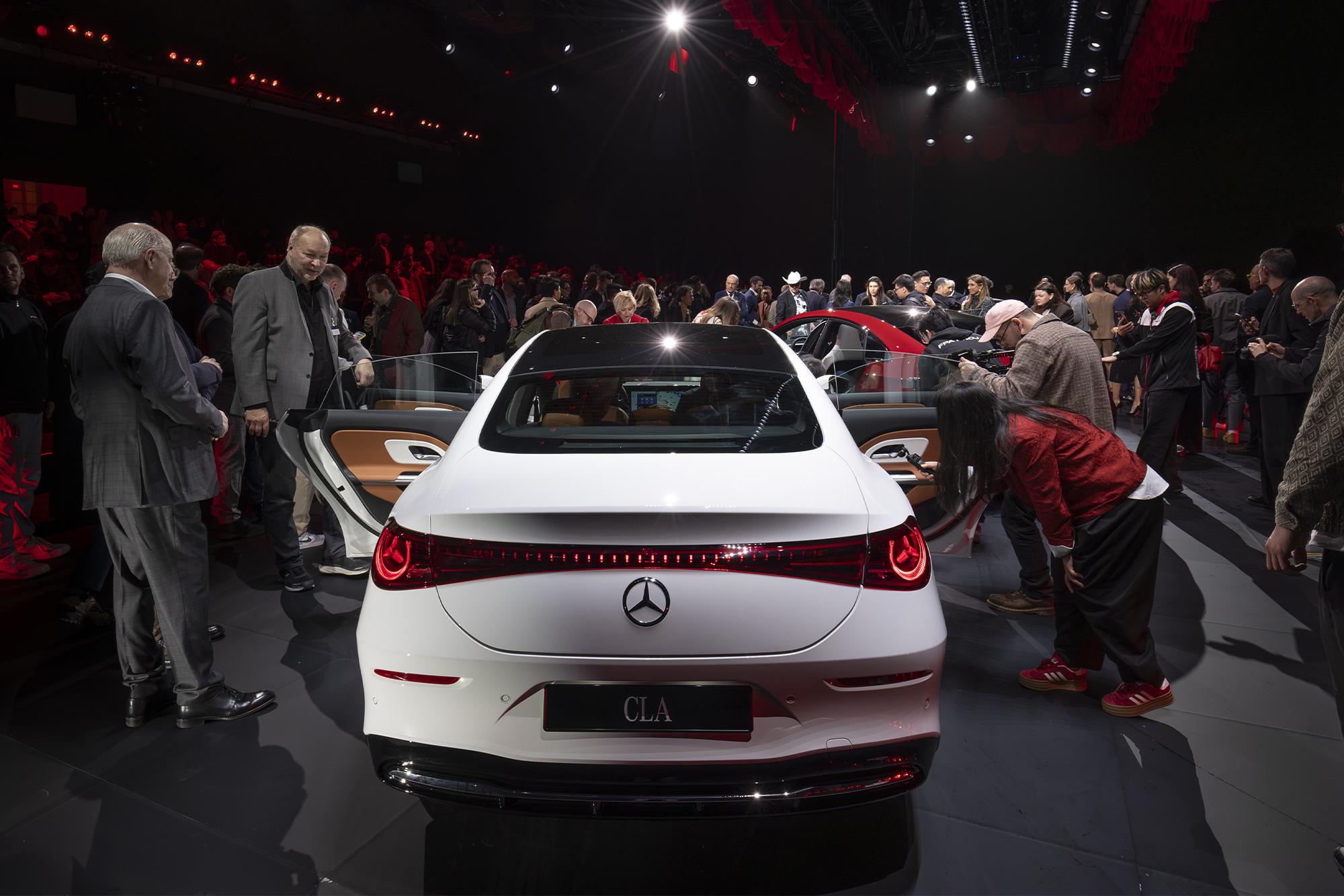
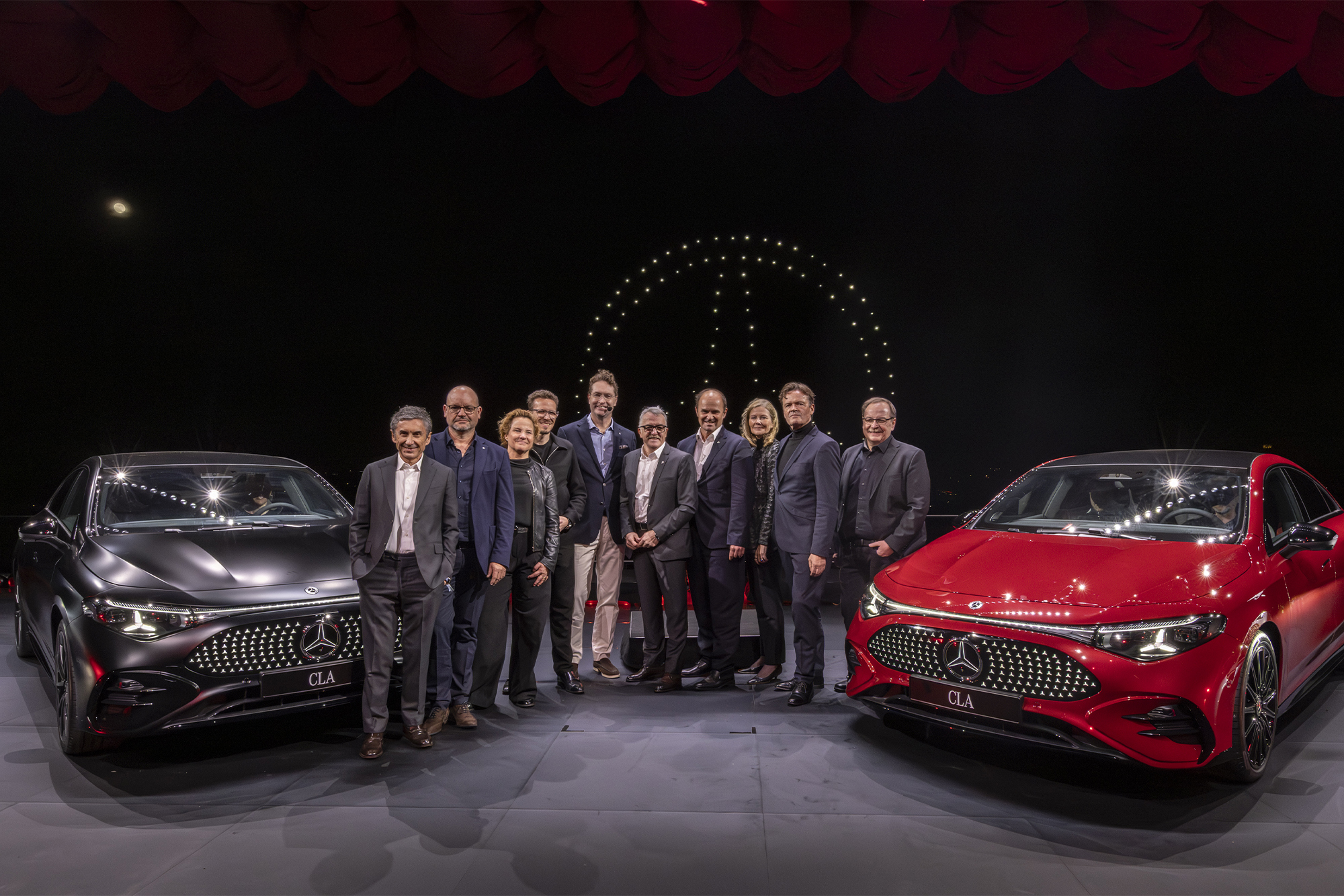
Remember when Daniel Caesar, Ice Spice, and Romeo Beckham were all on hand for the multimedia spectacle that was the all-new CLA’s unveiling? Yes, well the wait is finally over. The 2026 CLA should be hitting showrooms very soon. The spec sheets are looking good too, especially for a compact entry-level luxury EV. CLA 250+ gets 268 hp and 247 lb-ft of torque while the 350 4MATIC version offers 349 hp and 380 lb-ft of torque. Even taking into account the fact these European WLTP-ratings are overly optimistic, preliminary estimates of 792 km (250+) and 771 km (350 4MATIC) on a single charge is very impressive. And it has a frunk! Hallelujah.
Genesis GV90
Genesis GV90
Genesis GV90
Genesis GV90
Genesis GV90
Genesis GV90
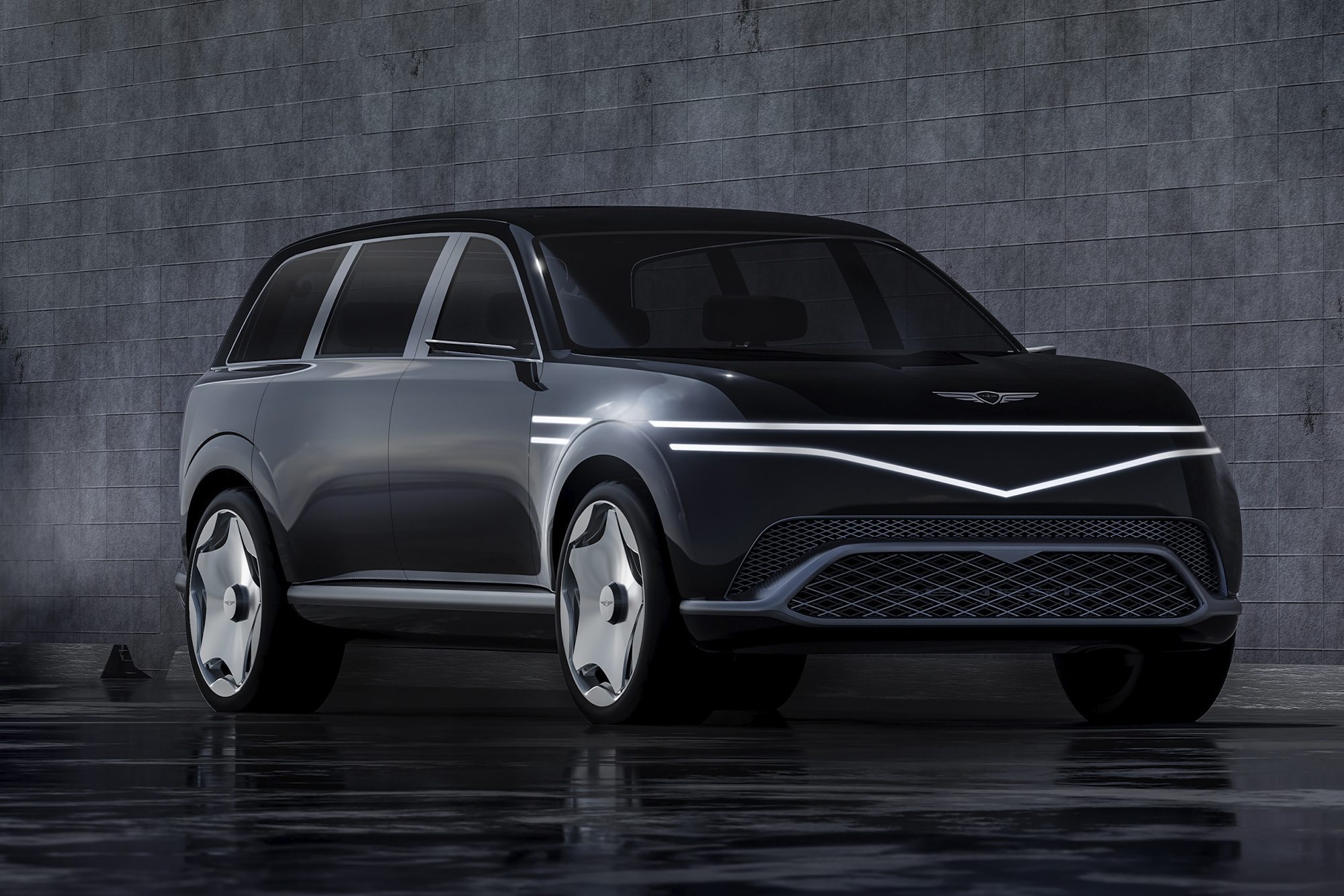
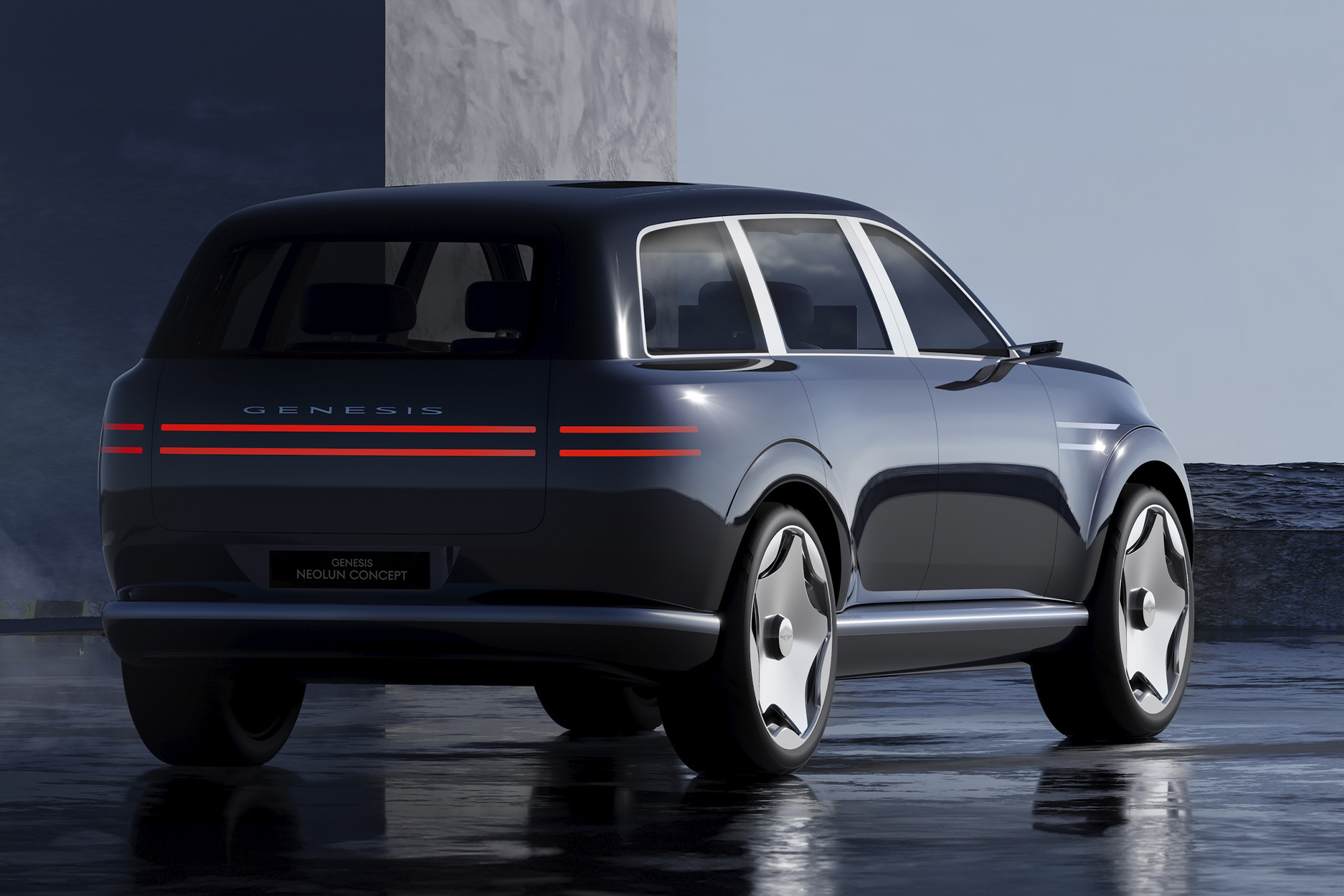
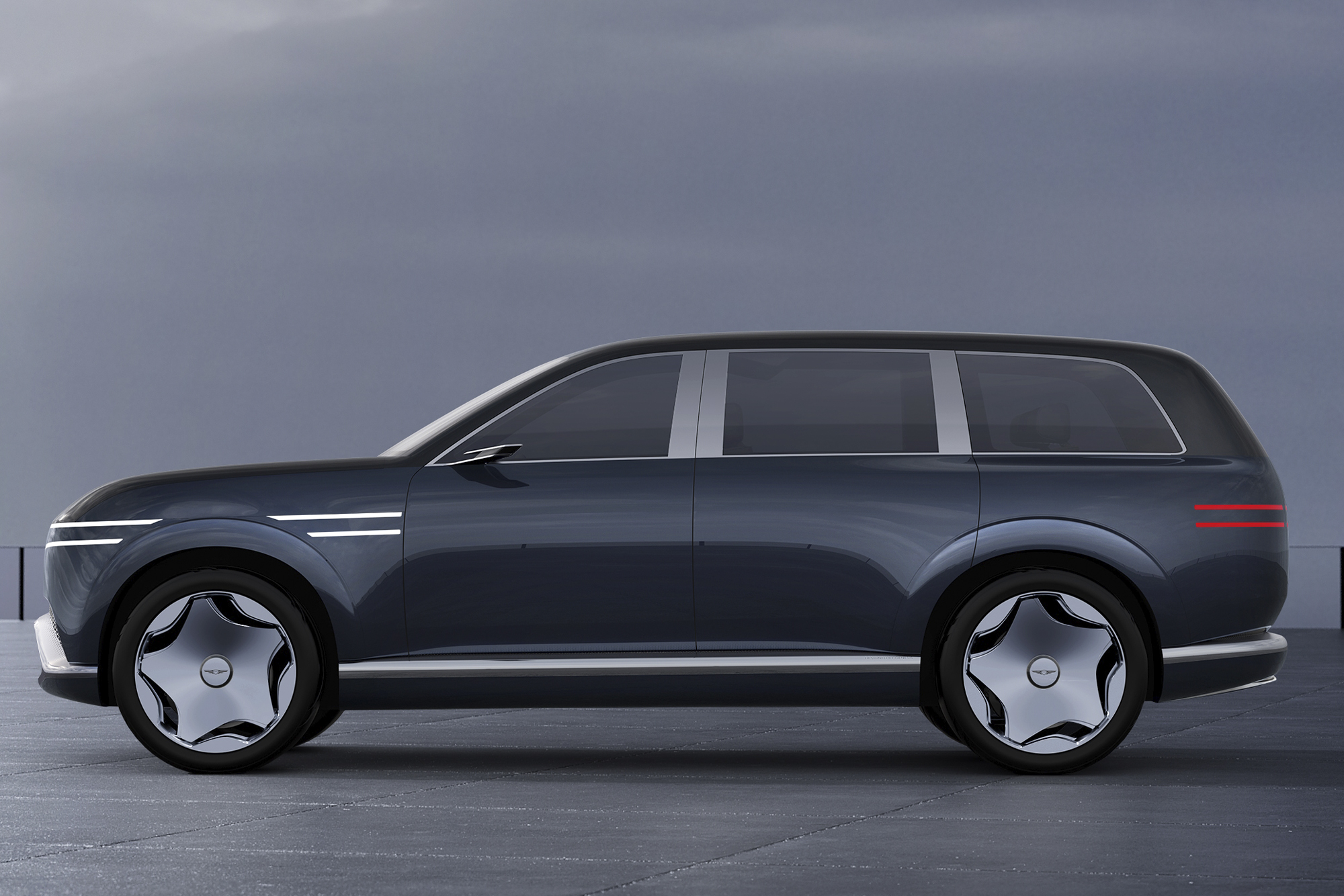
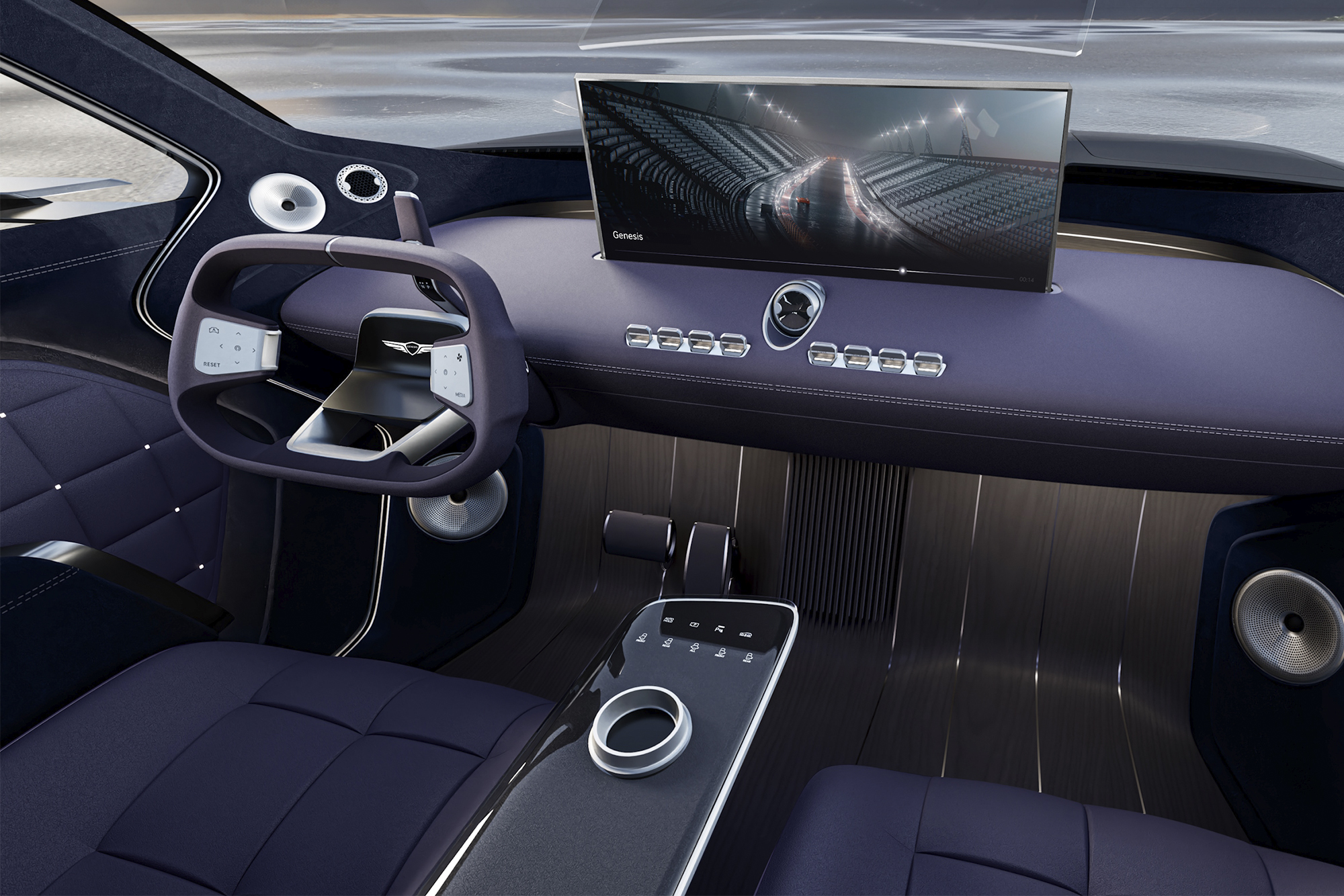
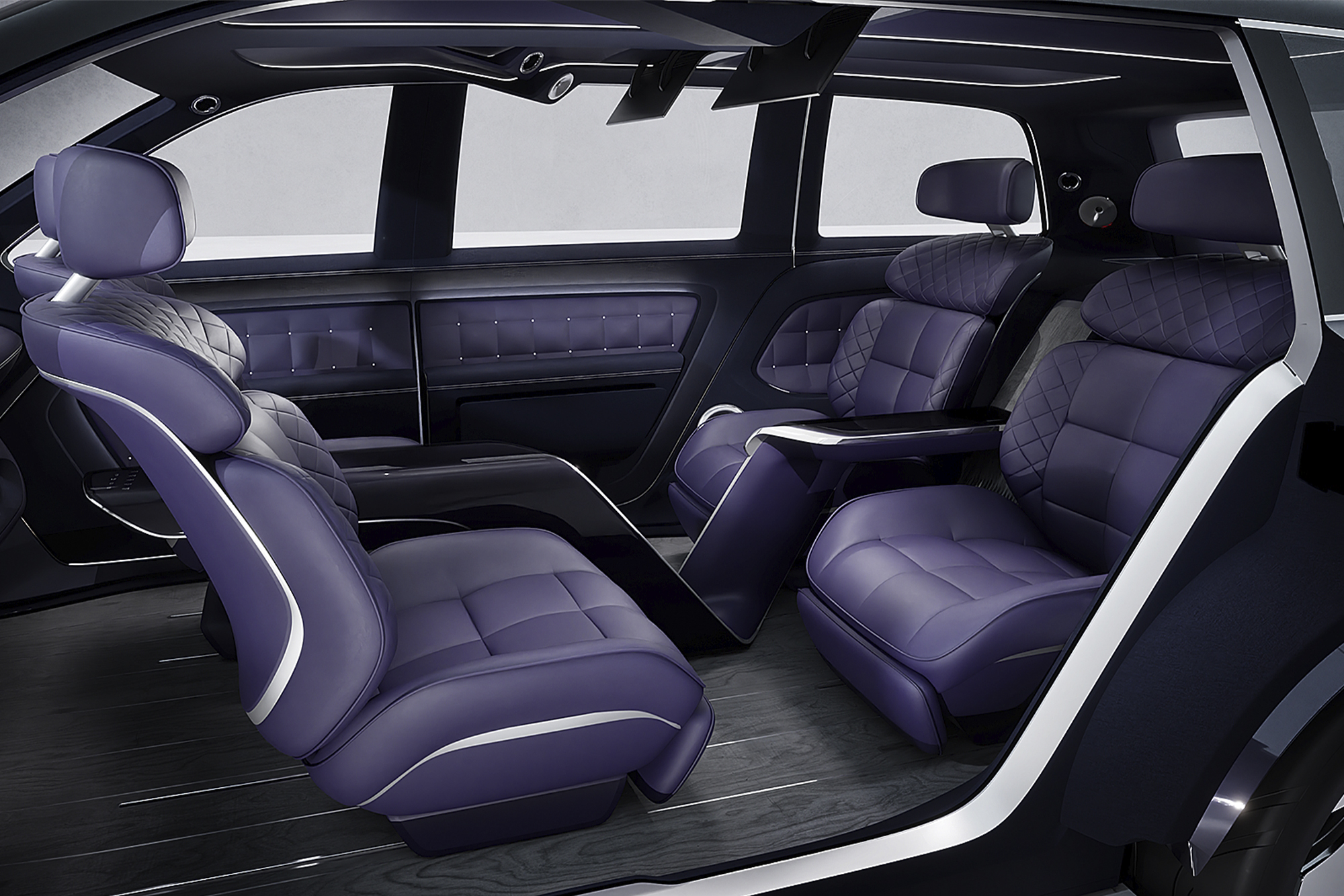
Based on the run Genesis has been on, we know this ultra-luxury flagship SUV will be spectacular. Rumour has it the Neolun concept’s backwards-opening coach doors may even make it into production. As for the cashmere trim, wooden floors, swivelling front seats and traditional Korean “ondol” radiant heating system? Well, we can only hope these options make it into production too. No word on performance or pricing yet, but given that the brilliant Kia EV9 GT makes over 500 horsepower, the GV90 should have luxury performance to match its luxurious looks. Don’t sleep on Genesis right now.
BMW i3






BMW i3
BMW i3
BMW i3
BMW i3
BMW i3
BMW i3
BMW i3
BMW i3
BMW i3
BMW i3
BMW i3
BMW i3
BMW i3
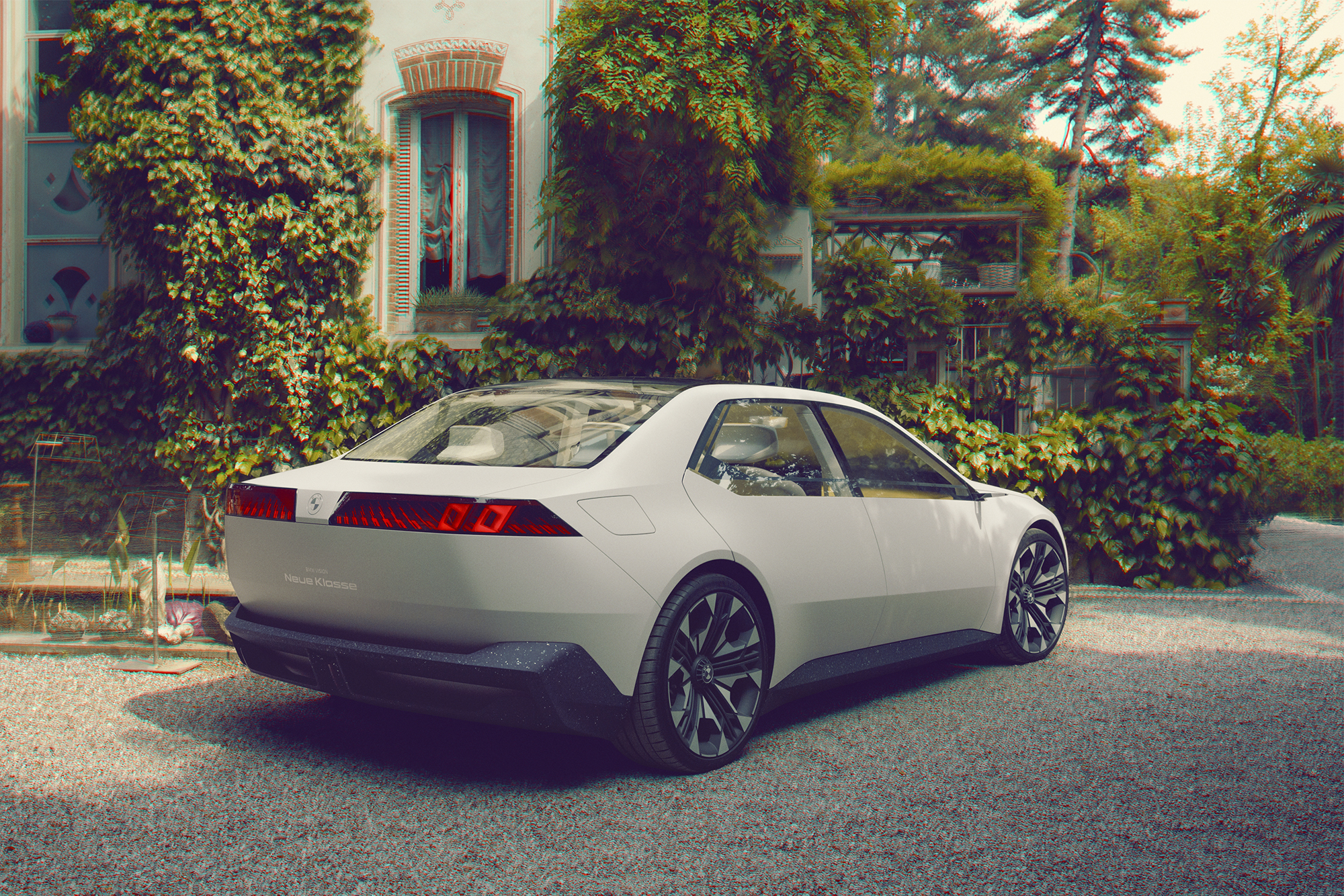
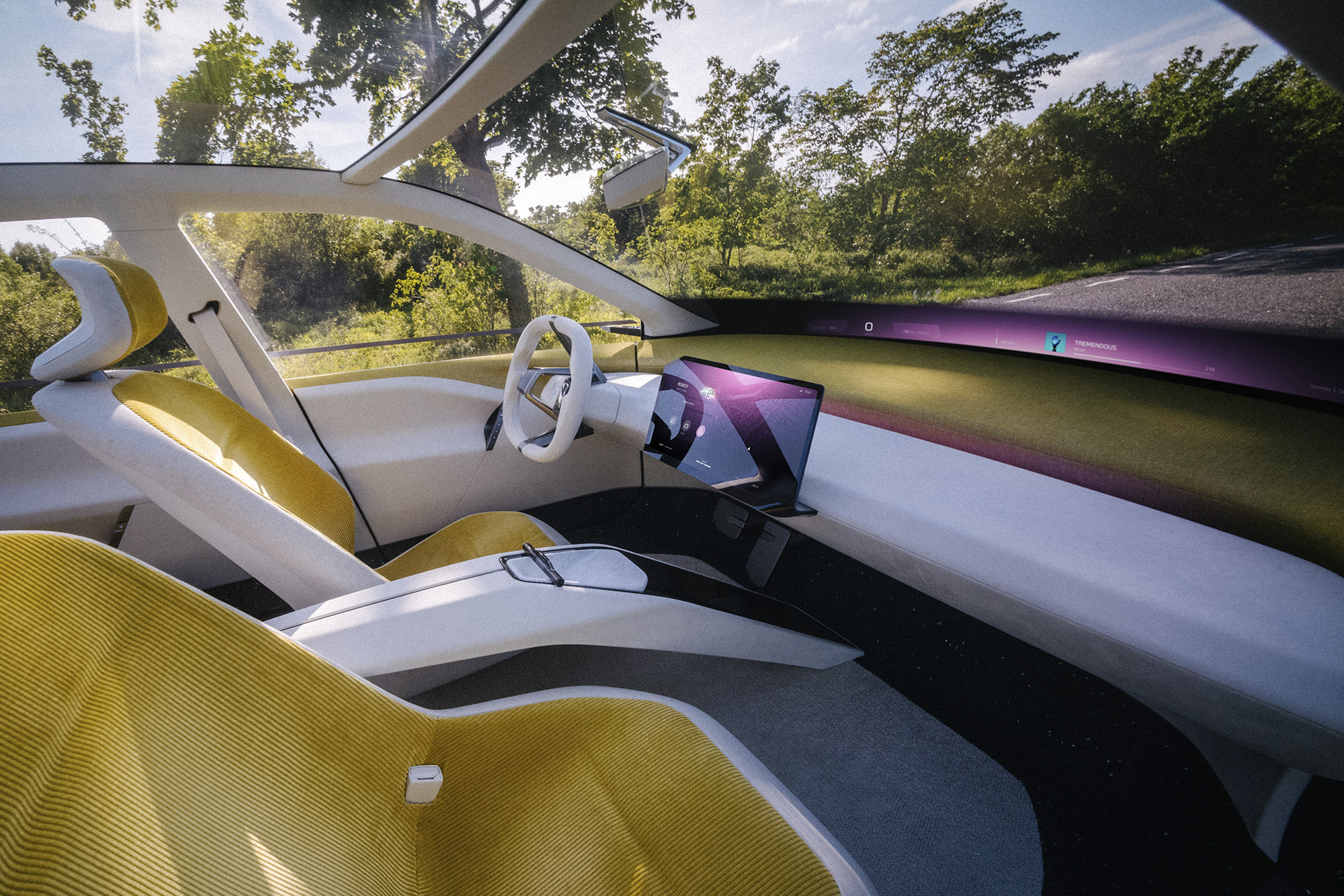
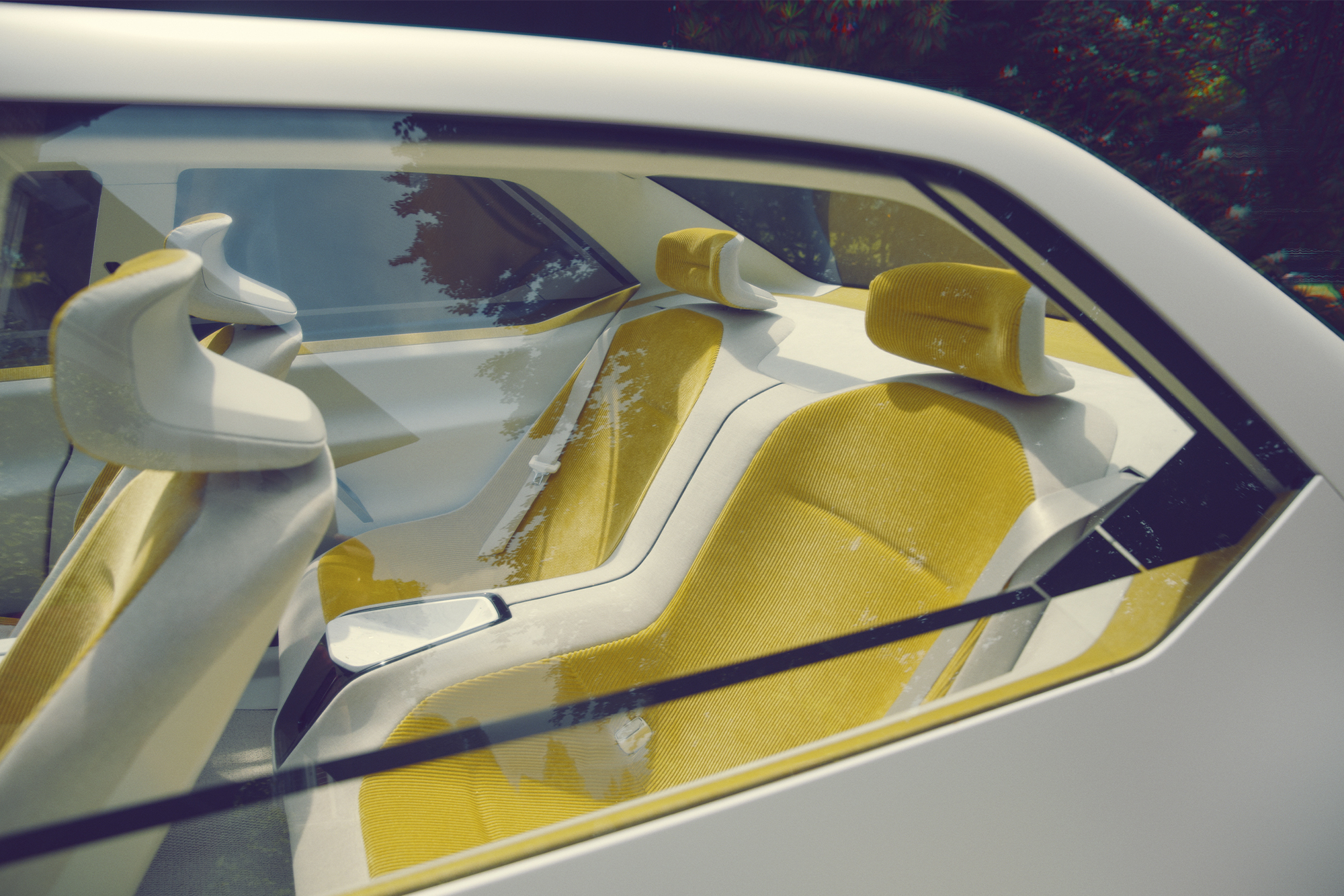
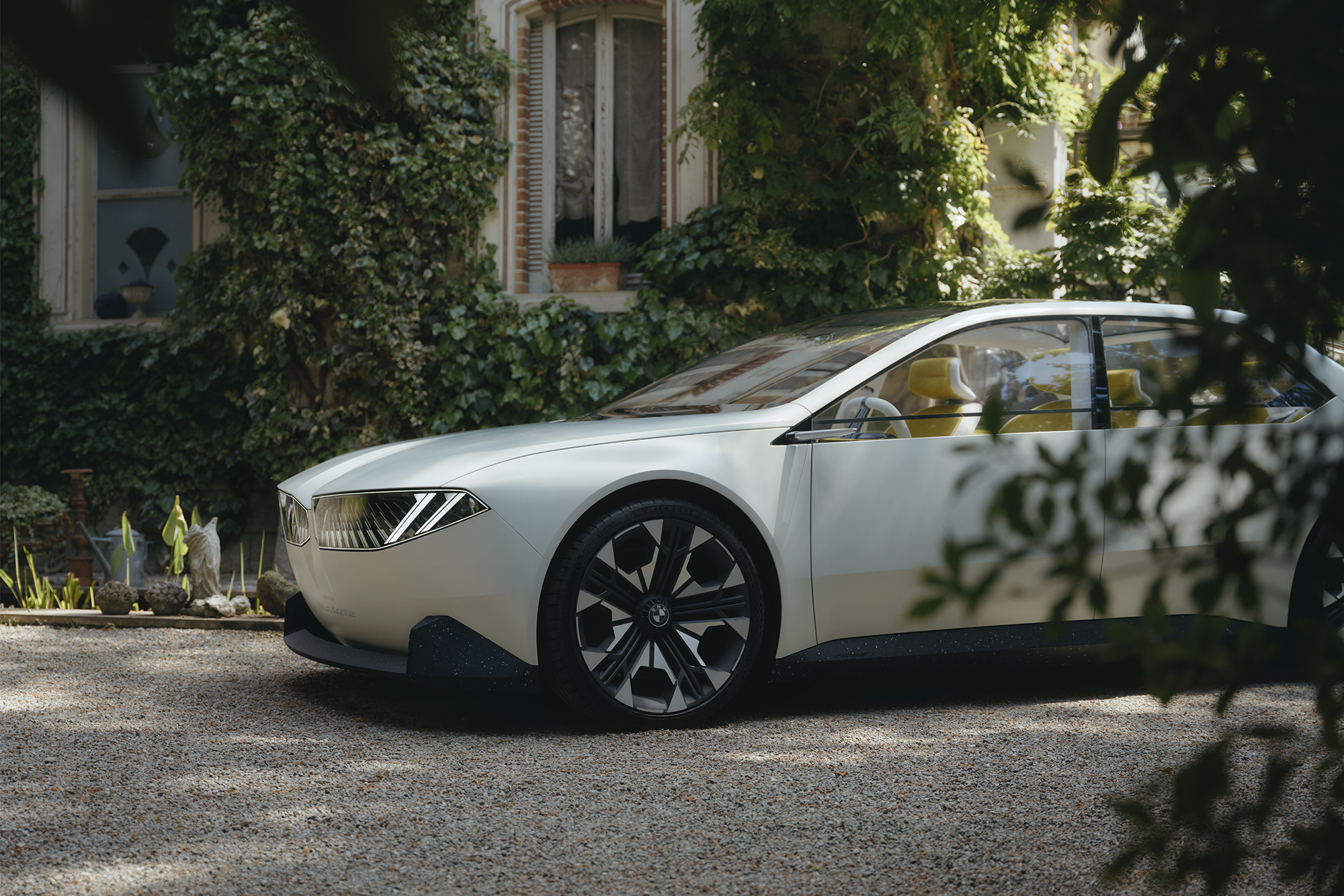
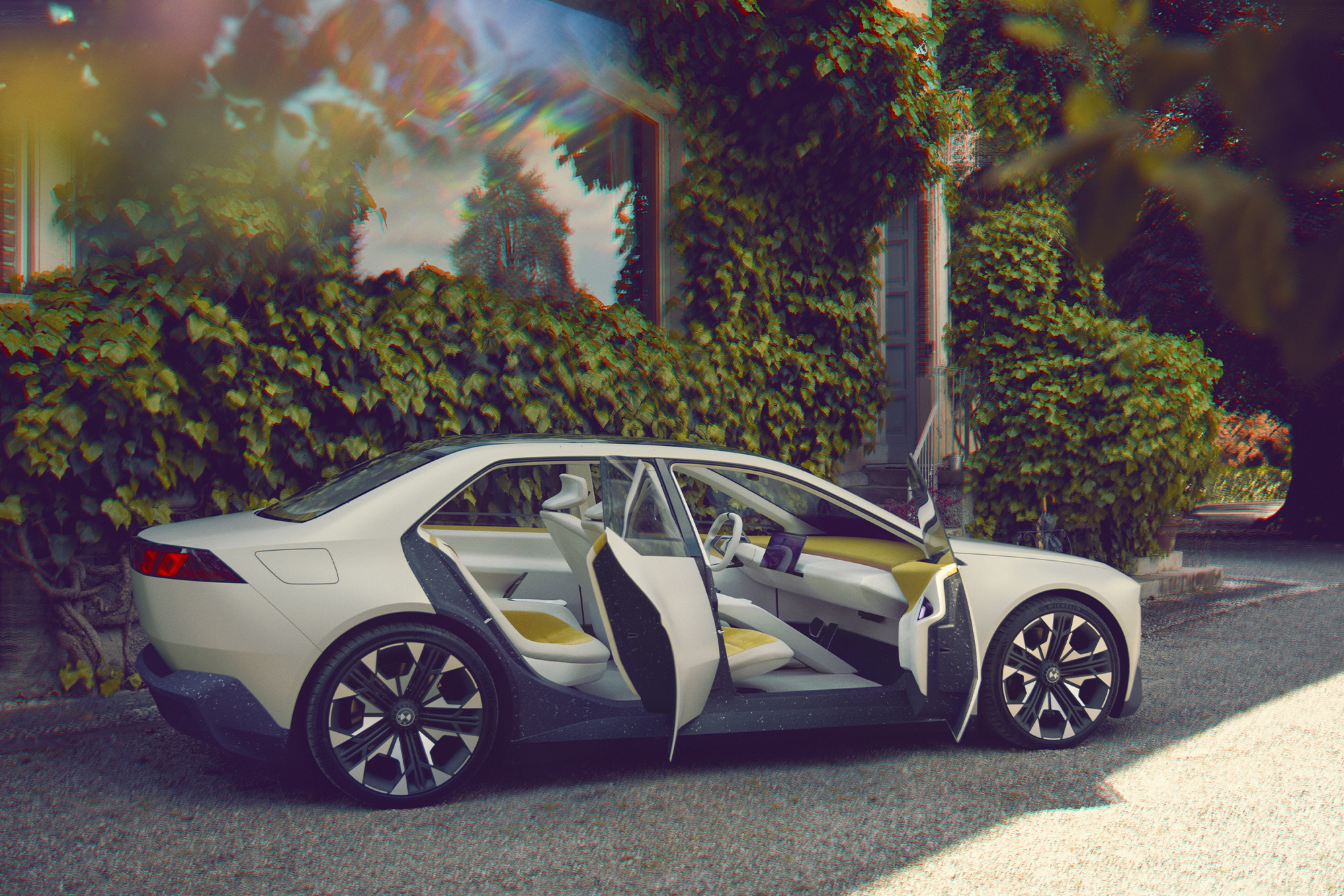
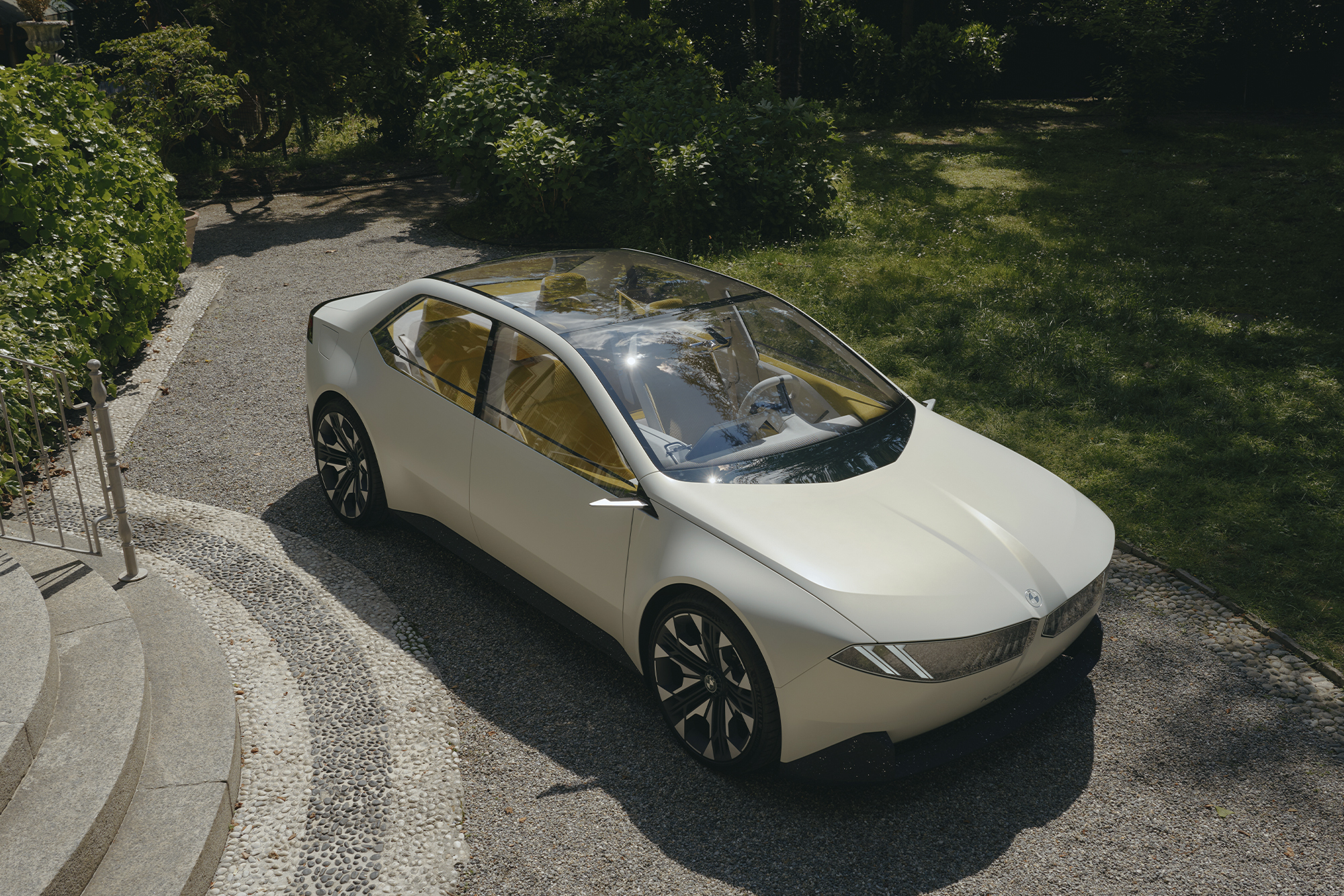
The iX3 electric SUV was the spearhead of BMW’s new era, the first product of the Neue Klasse family of vehicles, the culmination of an all-hands-on-deck effort by one of the world’s great automakers, and — if you ask us — the beginning of a new era for EVs in general. But if we’re being honest, the iX3 isn’t the Neue Klasse model we were most excited about. The i3 sedan is the one we really wanted to drive, as well as the long-rumoured quad-motor Mi3, or i3M, or whatever it’ll be called.
Audi TT / Concept C
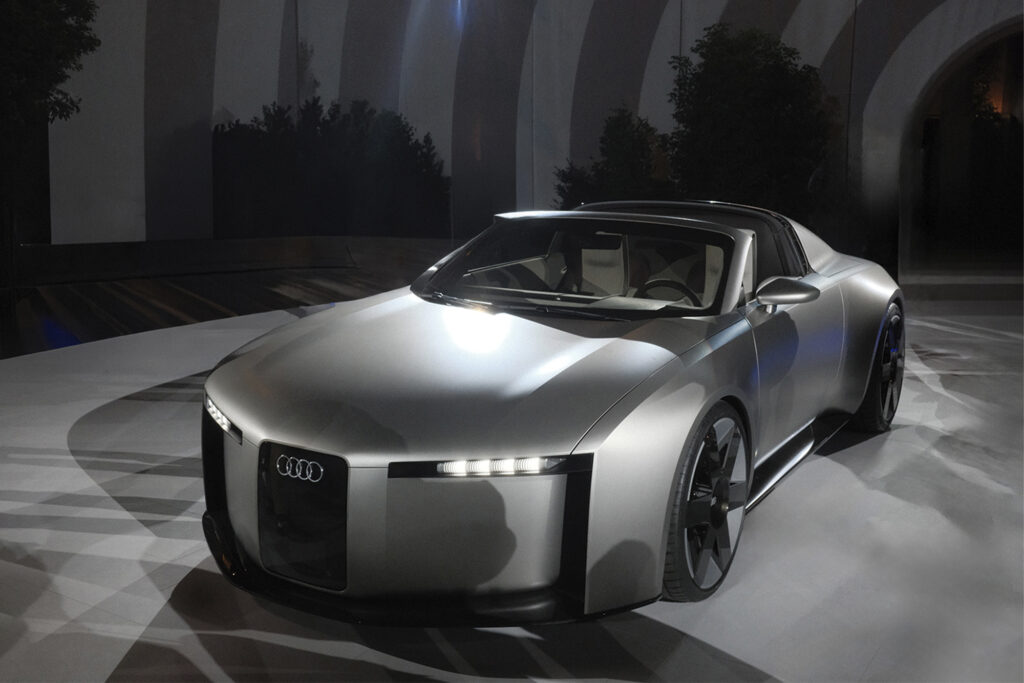
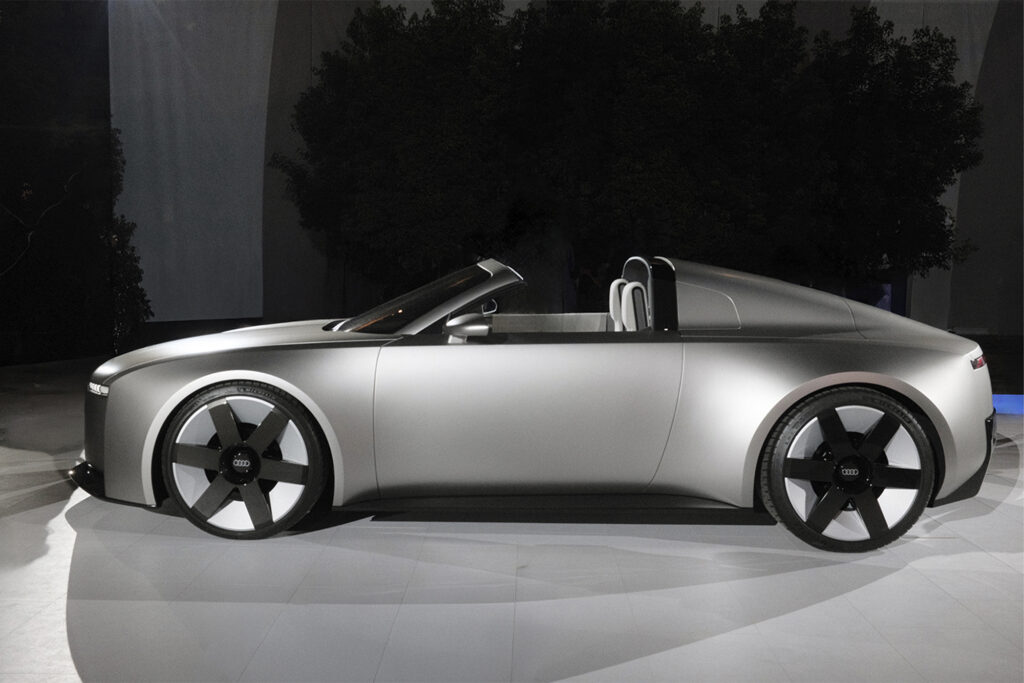
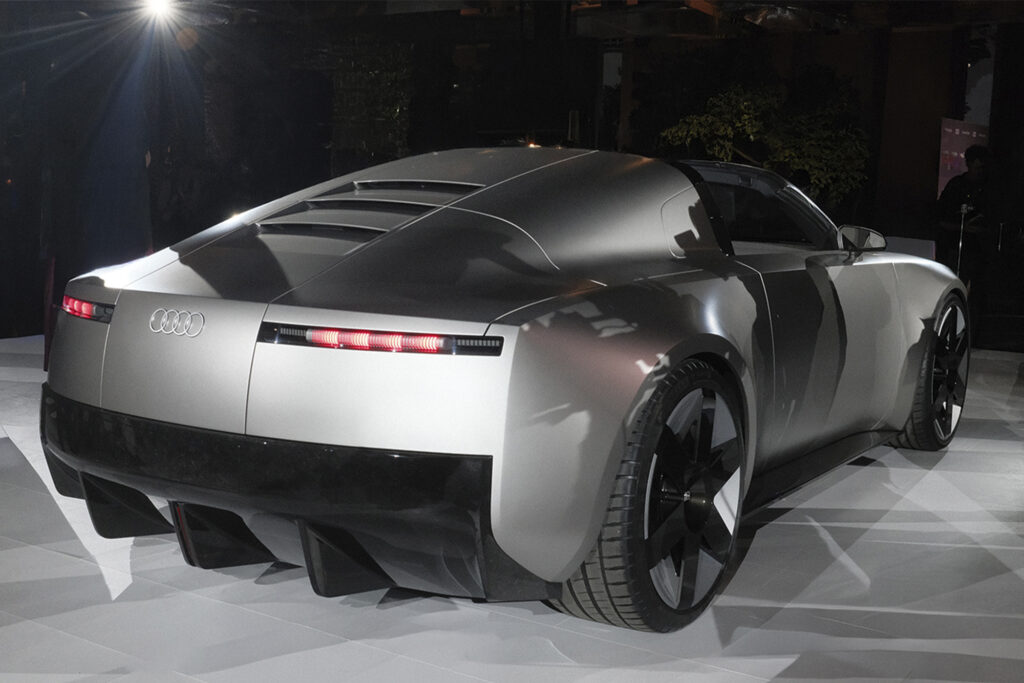
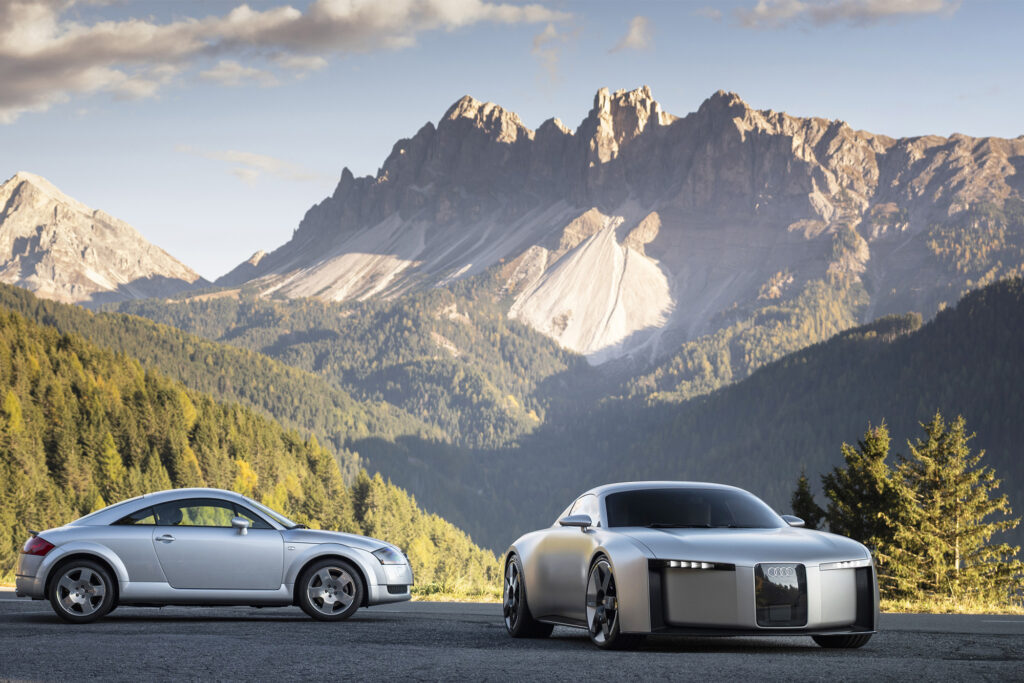
Audi is hitting the big red reset button. The brand is making a big change to its design direction, bringing it back in line with the avant-garde look of beloved models like the TT and R8. But that doesn’t mean Audi is looking backwards. Quite the opposite. The Concept C is perhaps the most interesting, original, cohesive, and — dare we say — beautiful Audi concept in recent memory. It will spawn an all-electric sports car later in 2026 or ’27. “Going forward, Audi will focus on what matters most: an unmistakable combination of clarity, technicality, intelligence, and emotion,” the company says. “The Audi Concept C marks the beginning of a new design philosophy and thus a defining moment for the four rings. It previews a future production model and will shape further models beyond that.”
Ferrari Elettrica
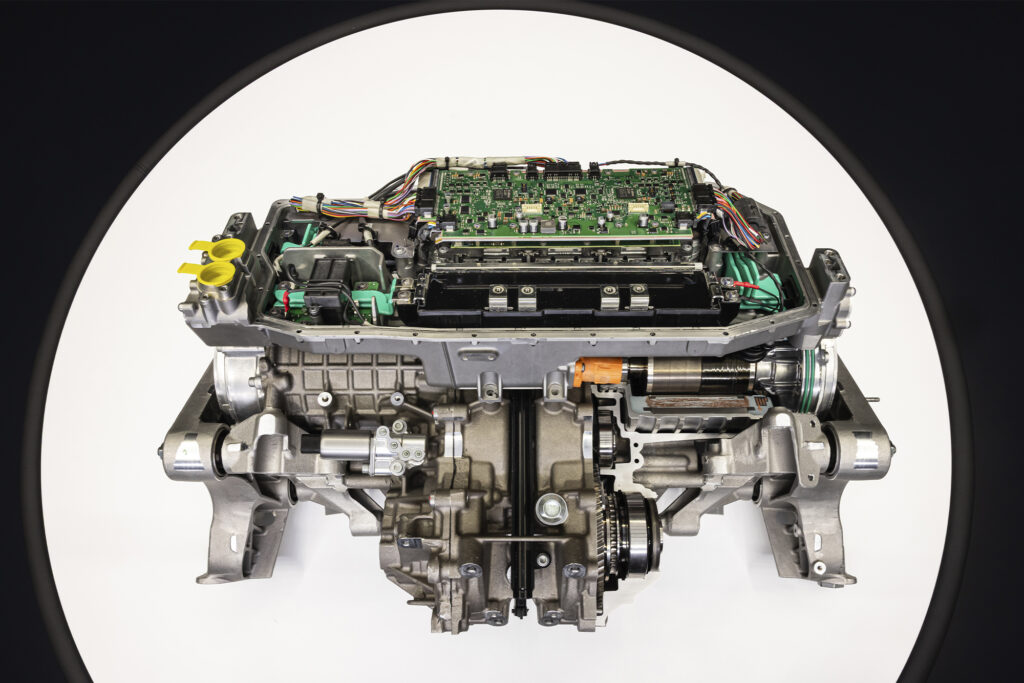
Let’s just skip past the faux-shock and incredulity of the ‘Ferrari is making an EV!?!’ thing, and focus on the fact it could be a pretty special car. Spy shots show a Purosangue-like shape: a four-door fastback crossover with a set of extremely large and lovely alloys. The buzz is that it’ll be a quad-motor monster — supernatural handling is thus guaranteed — with over 1,000 horsepower. (The two rear-axle motors alone are good for 831 horsepower!) A face-melting 0-100 km/h time and 800-volt architecture are table stakes here. Ferrari has also promised a “considerable evolution in the active suspension system used on the Ferrari Purosangue and Ferrari’s latest supercar, the F80,” so we know it’ll have some clever tech from Toronto’s own Multimatic too. Expect the full reveal in early 2026.
Polestar 6
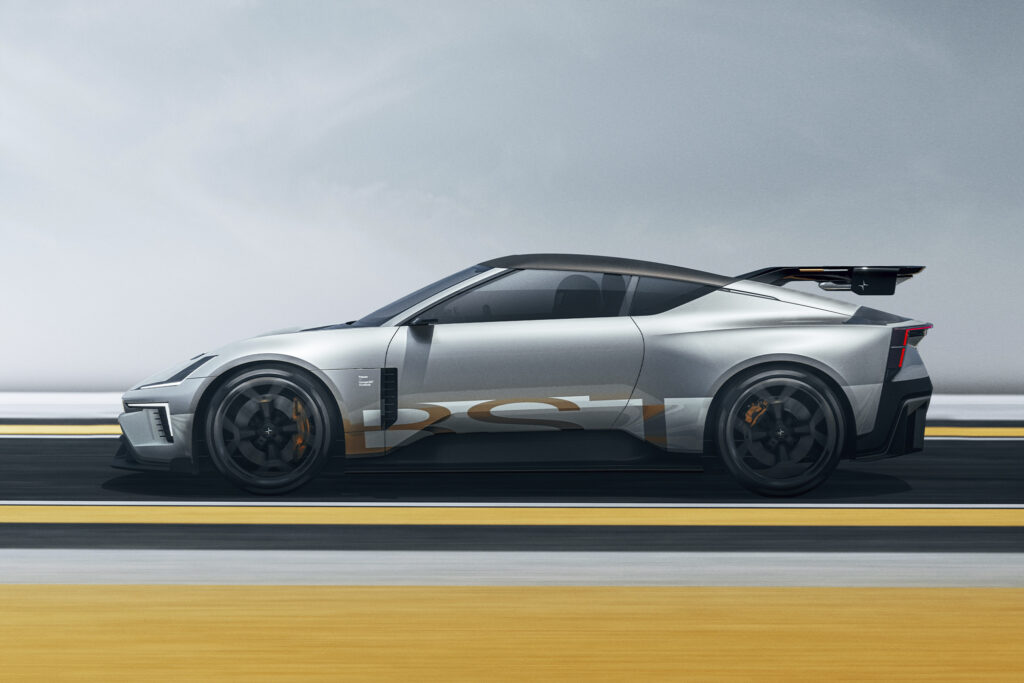
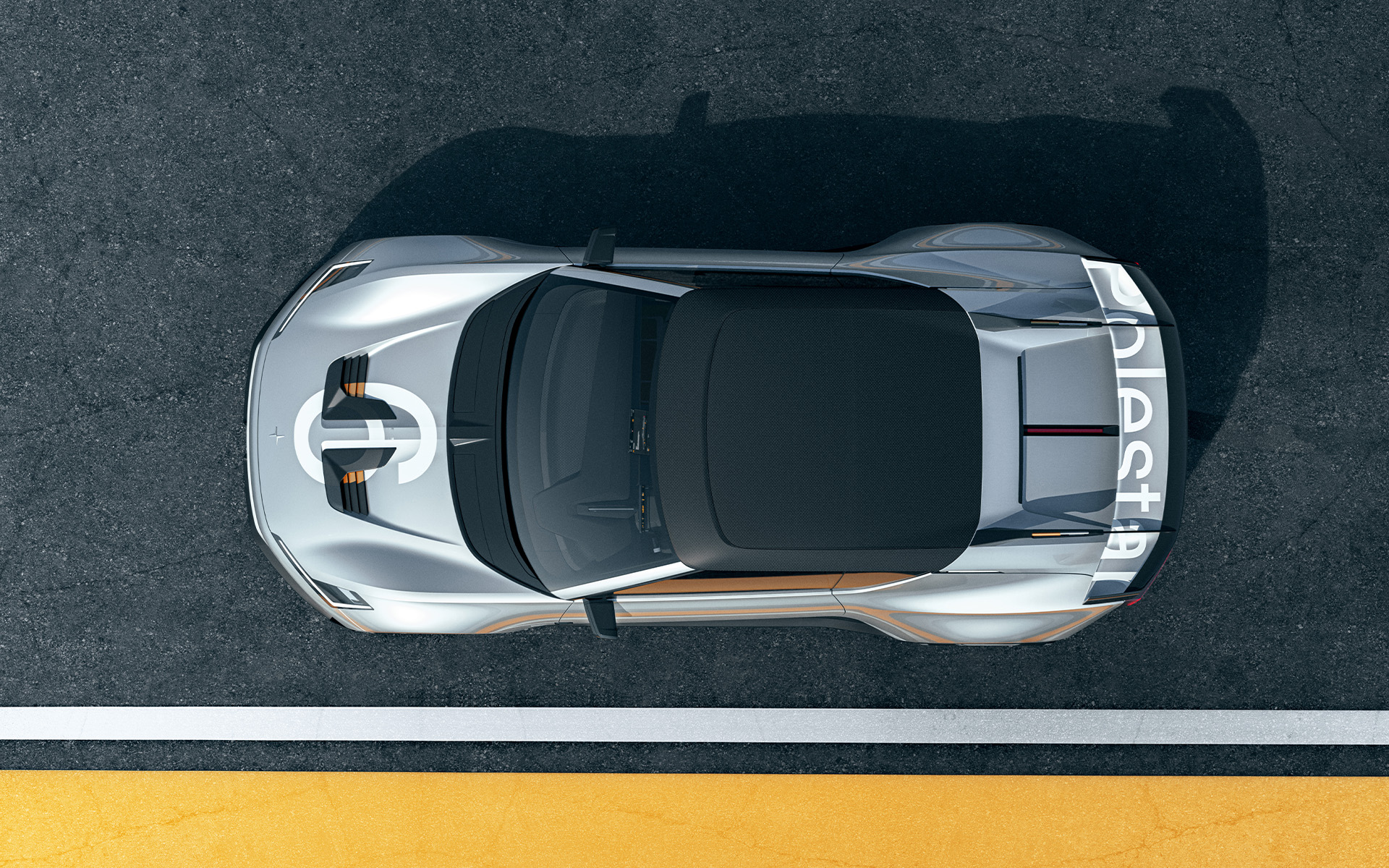
Meet Polestar’s vision for a future electric sports car. If you ask us, this future can’t come soon enough. As we’ve come to expect from the Swedish brand, this concept car is full of big ideas. We loved the woven-flax panels and the 3D knit upholstery of the Polestar O2 concept, which became the Polestar 6. It’ll be based on a fully-bonded aluminum unibody, which not only makes the car light and stiff — exactly what you want in a sports car — but also means it’ll be easier to reuse and recycle. The 2+2 cabin has an unusual cab-forward design, almost like a mid-engine supercar, which takes full advantage of the packaging-benefits offered by compact electric motors and batteries. Polestar quotes 884 horsepower and a 0-100 km/h time of 3.2 seconds. The Polestar Concept BST shown here previews an even more high-performance sports car from the brand.
Rivian R2
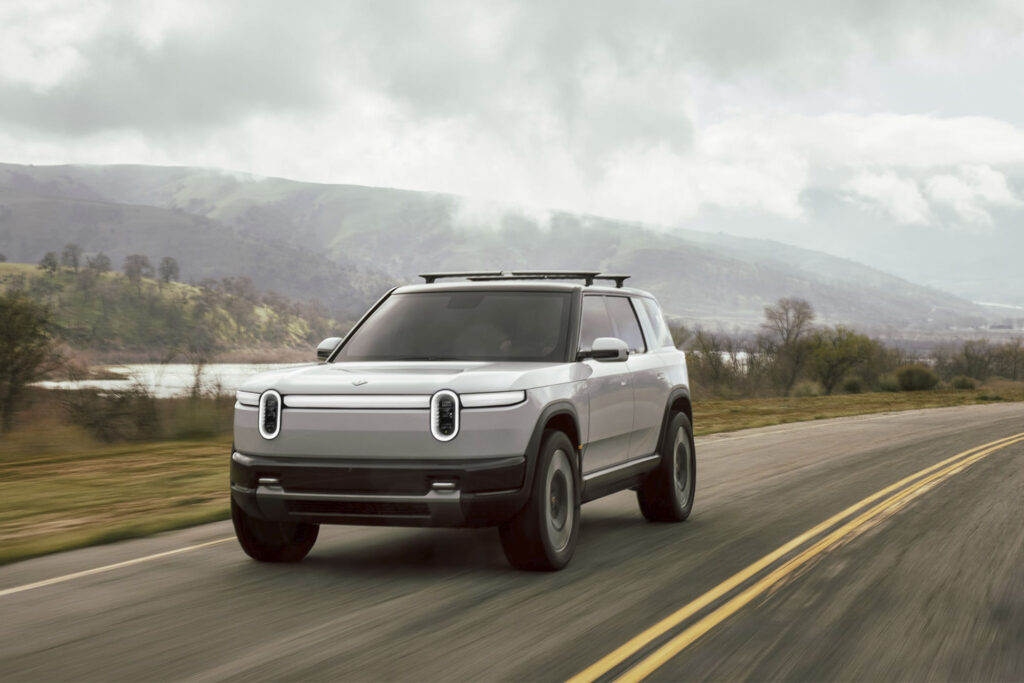
The sophomore effort for U.S. upstart Rivian is something the whole auto industry will likely be keeping a close eye on. Volkswagen is invested heavily in Rivian, and the two are working together to the tune of roughly US$5 billion on automotive software and electrical architecture. Some of that newfound cash should start to, we hope, bear fruit in the follow-up to the seven-seat, $140,000 R1 SUV. The R2 is slightly smaller 5-seat SUV that will start at $66,500 in Canada and hit showrooms in 2026. (Think: Tesla Model Y rival.) Rivian is claiming an estimated range of 480 kilometres. And, that’s not all. Later examples of the R2 will get Rivian’s LiDAR-based advanced driver-assist system. We have high expectations for this launch.
Porsche 718 EV

Last but certainly not least, the long-awaited Porsche 718 EV. Originally it was supposed to replace the gas-burning Cayman and Boxster completely, but Porsche has since reversed course on that decision, choosing instead to extend the life of its little combustion-engine sports cars and sell them alongside this new EV. The company has been tight-lipped on specs for the electric 718 so far. They’ll want to keep weight down, so expect a modestly-sized battery and a choice of rear- or all-wheel drive models. As for what it could look like, well, this Porsche Mission R concept is our best clue so far. Not since the OG Tesla Roadster has any brand tried to make a small, light, electric sports car. We’re imagining an even more nimble Taycan, with more handling finesse and feel. This could be the change the sports car world needs right now, but Porsche’s reputation is on the line with this one.
Read on for more EVs we were eager to see in years past…
Blink and you’ll miss them! The rapid evolution of electric vehicles shows no sign of slowing down, with technology advancing at an ever-increasing rate, and futuristic EVs cornering ever more of the auto market. This year, there are some seriously heavy hitters entering the all-electric fray — with fan-favourites including the G-Class, Macan, and Range Rover swapping gas for batteries — as well as a couple of compelling models from several up-and-coming brands. Dive into your deep pockets, drivers. You’re about to be spoiled for choice.
Mercedes-Benz EQG
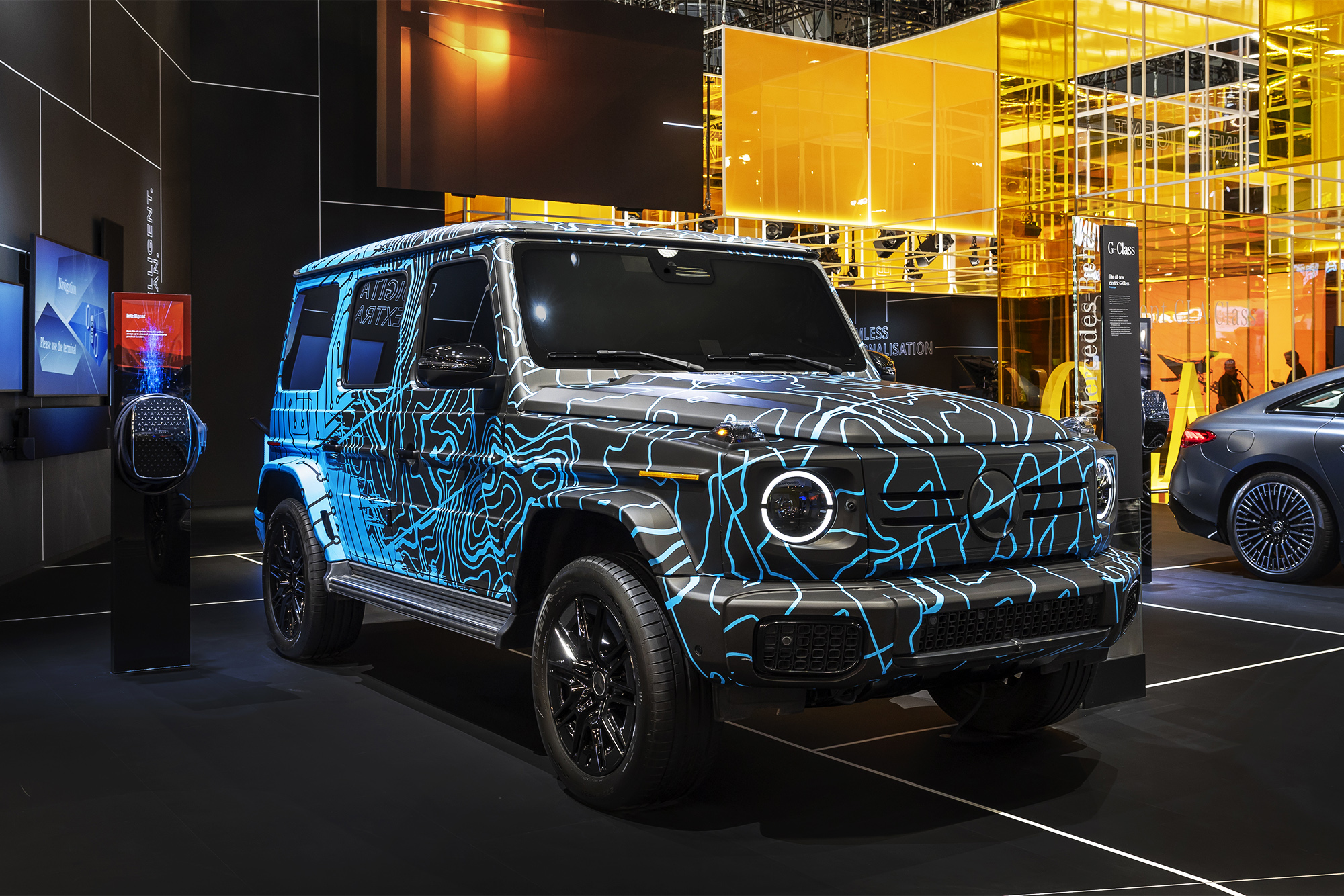
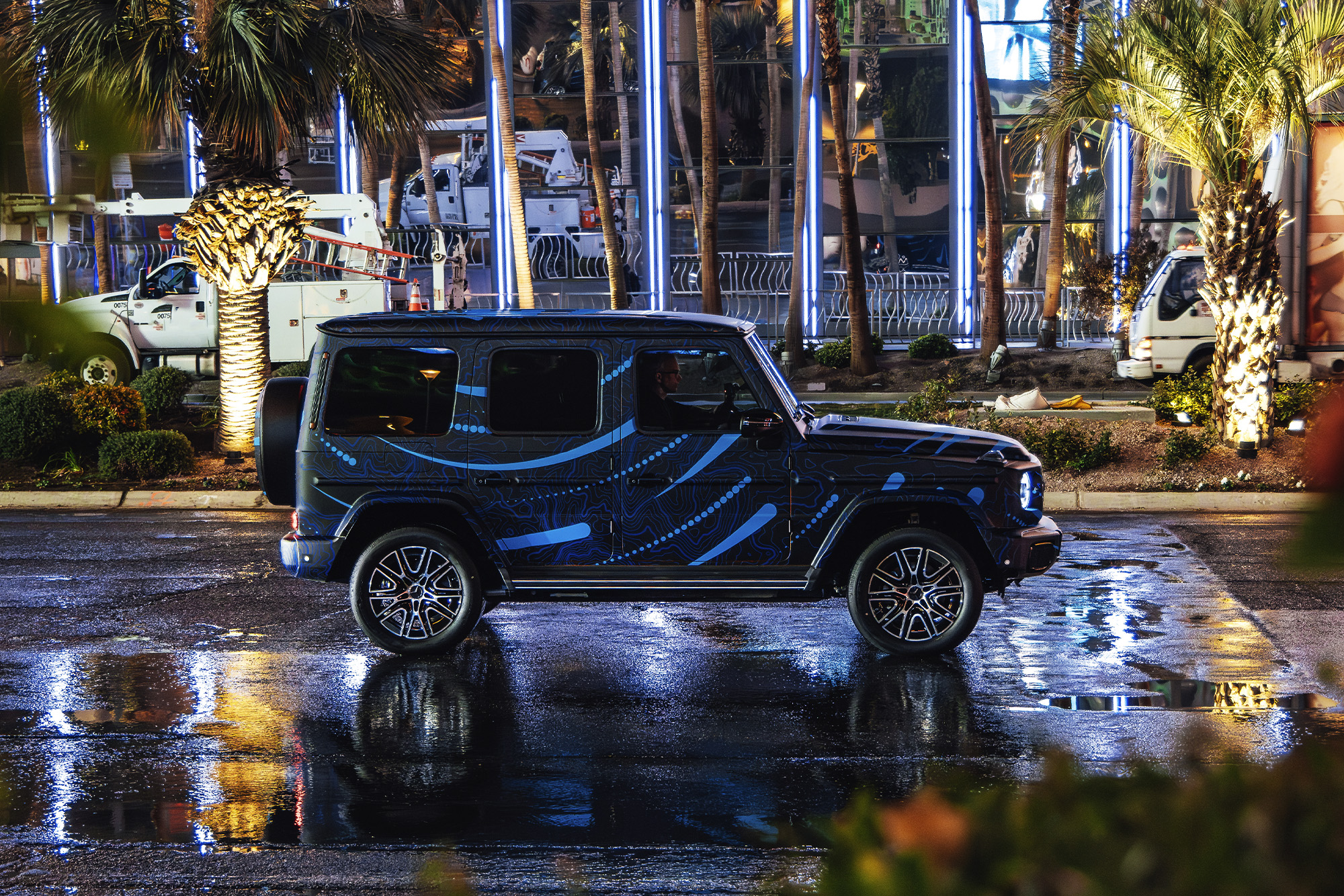
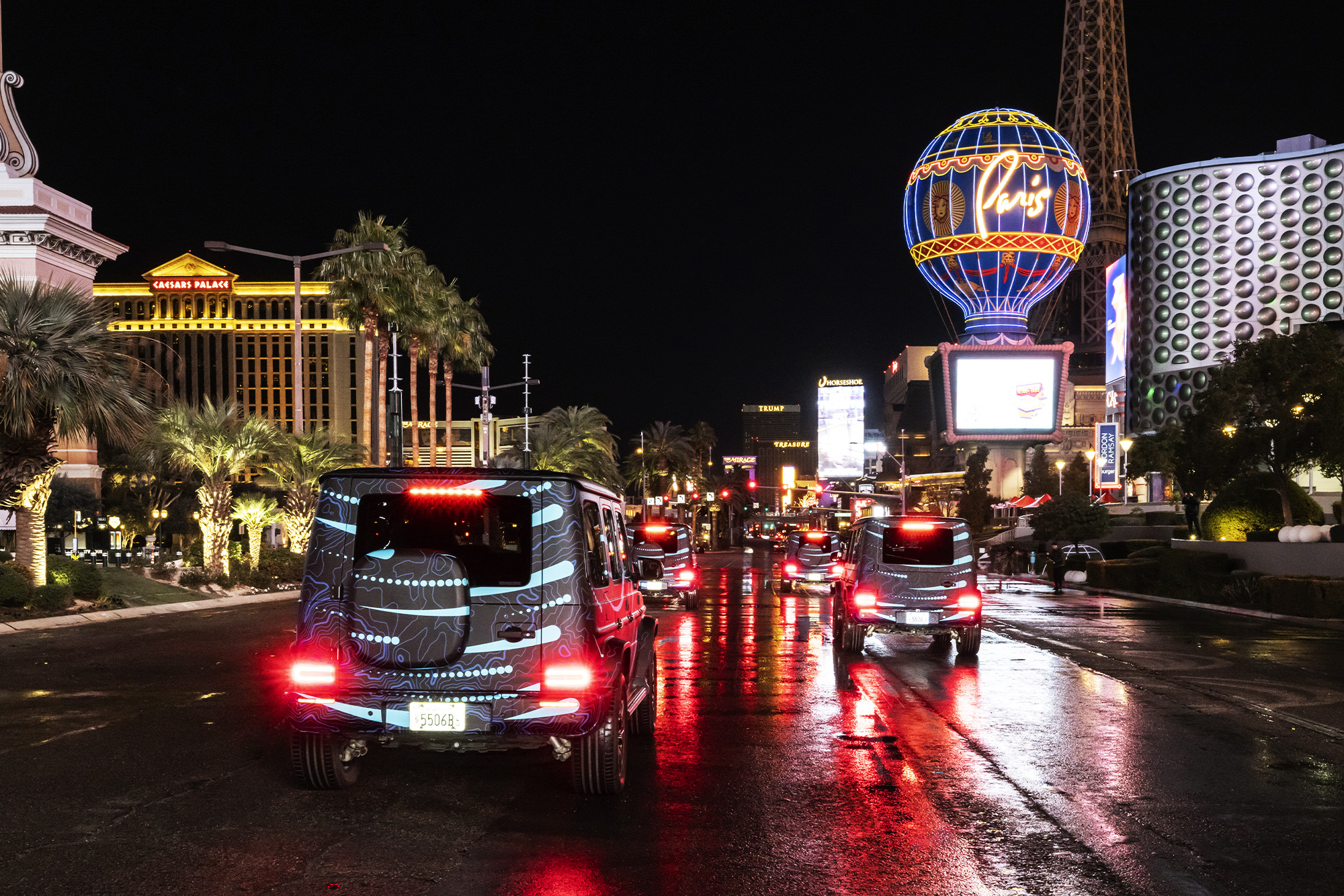
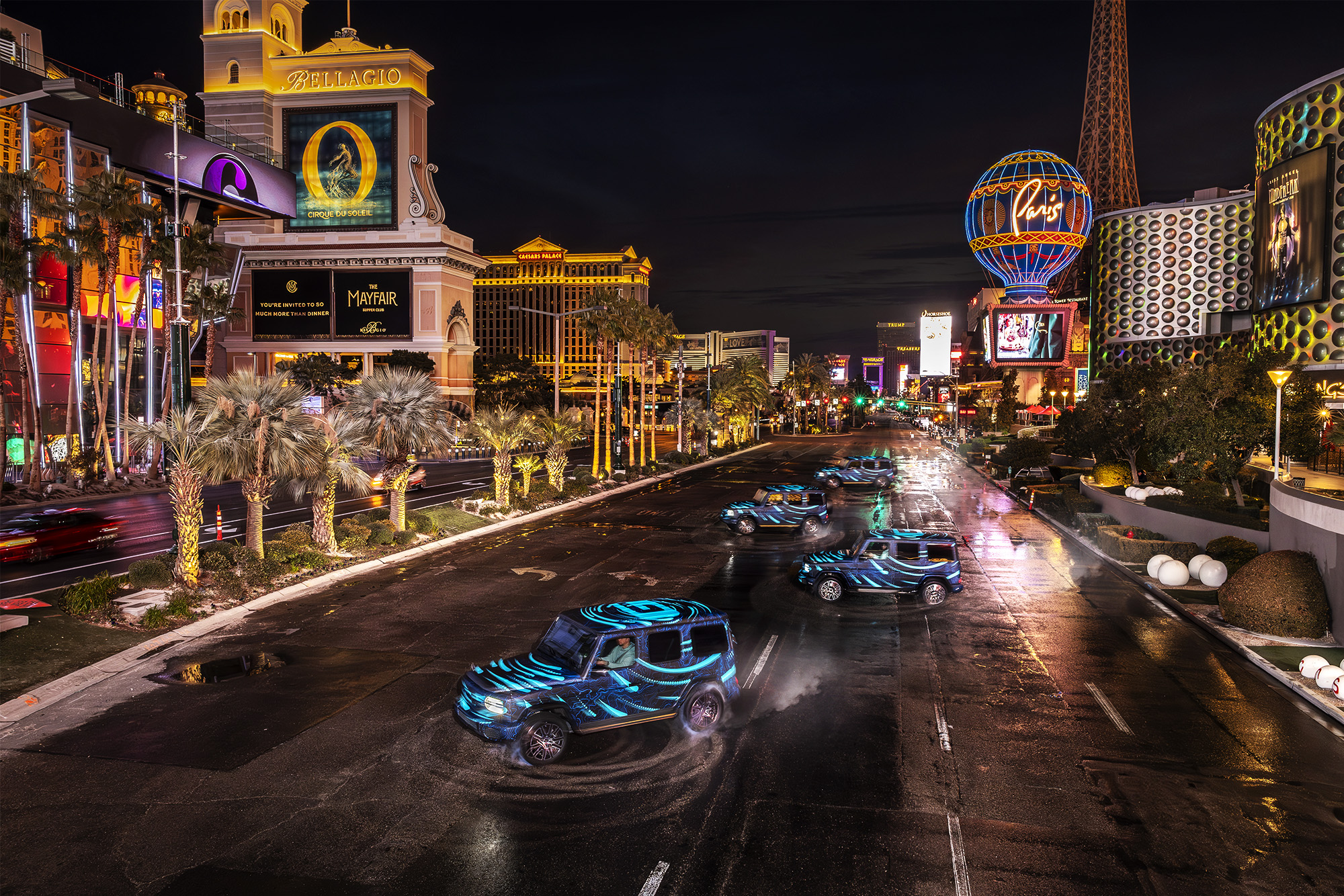
Mercedes-Benz EQG
Mercedes-Benz EQG
Mercedes-Benz EQG
Mercedes-Benz EQG
Mercedes-Benz EQG
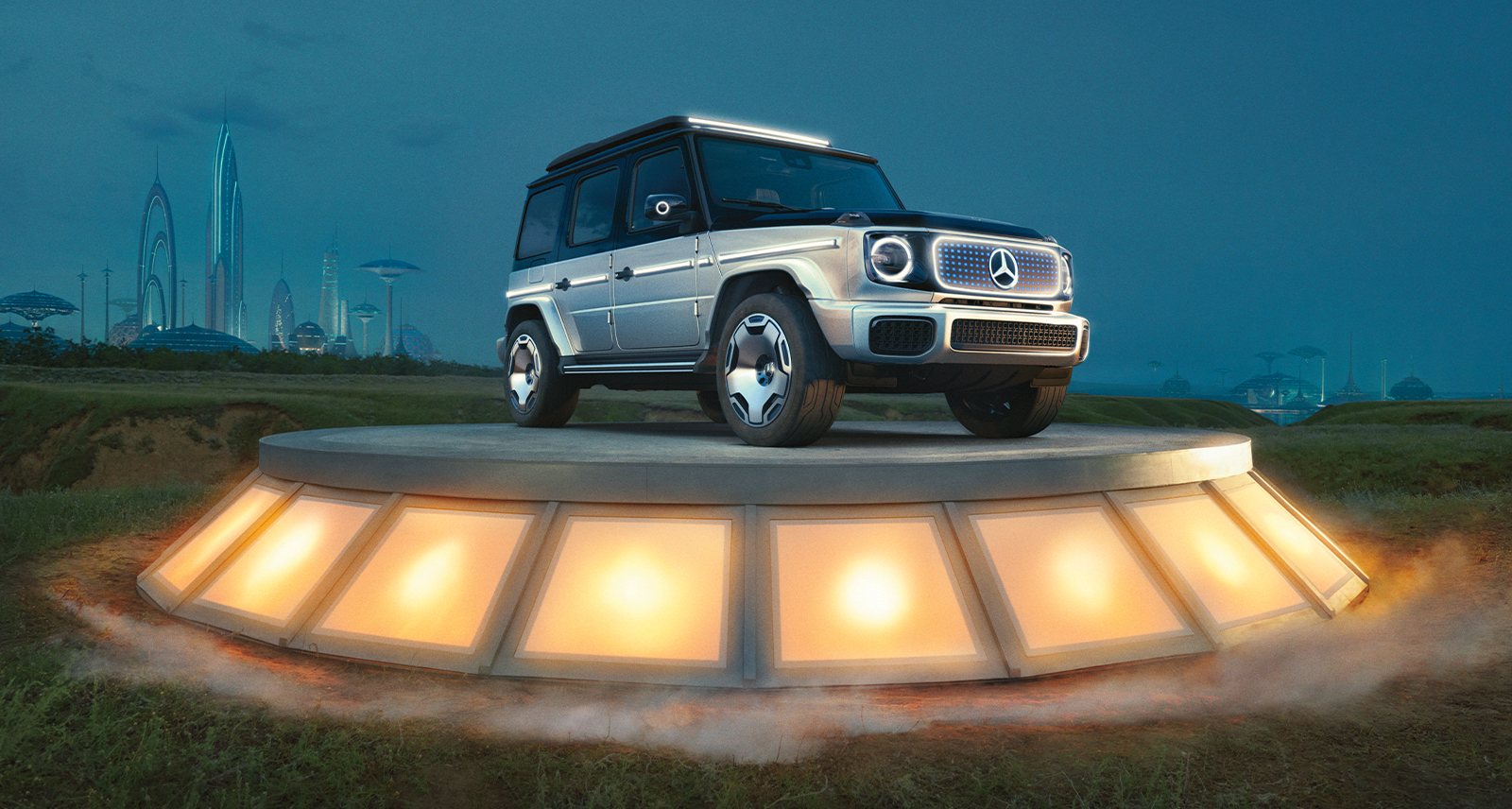
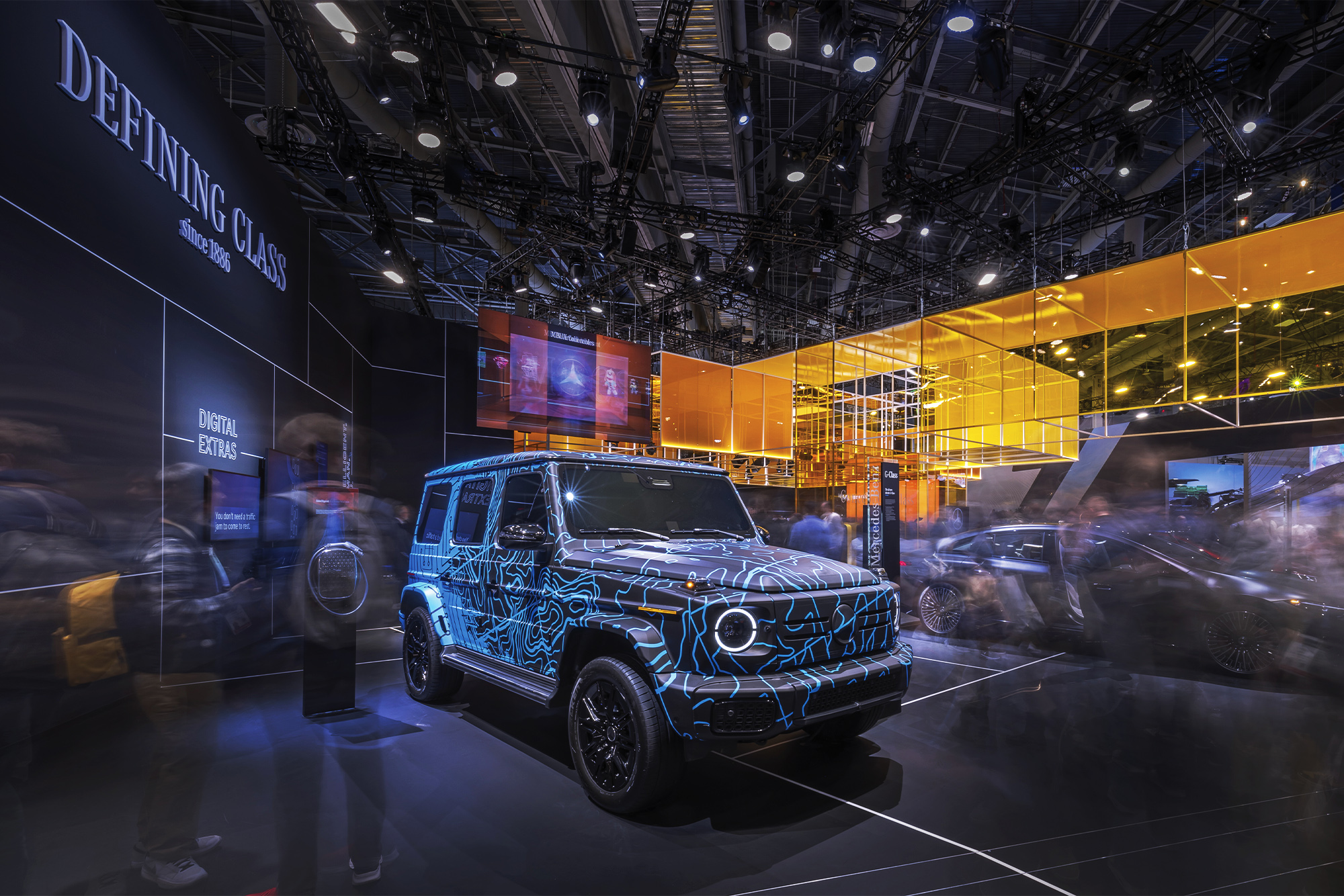
Yes, this is the year. The all-electric, quad-motor G-Wagon will (finally!) be unveiled in 2024. It may be battery-powered, but Mercedes’s engineers have assured us that this is still the same ladder-frame luxury truck with military roots we all know and love. Plus, it’s Schöckl-tested — having conquered the towering Austrian mountain where every new G-Class must prove its mettle.
Volvo EX90
Volvo EX90
Volvo EX90
Volvo EX90
Volvo EX90
Volvo EX90
Volvo EX90
Volvo EX90
Volvo EX90
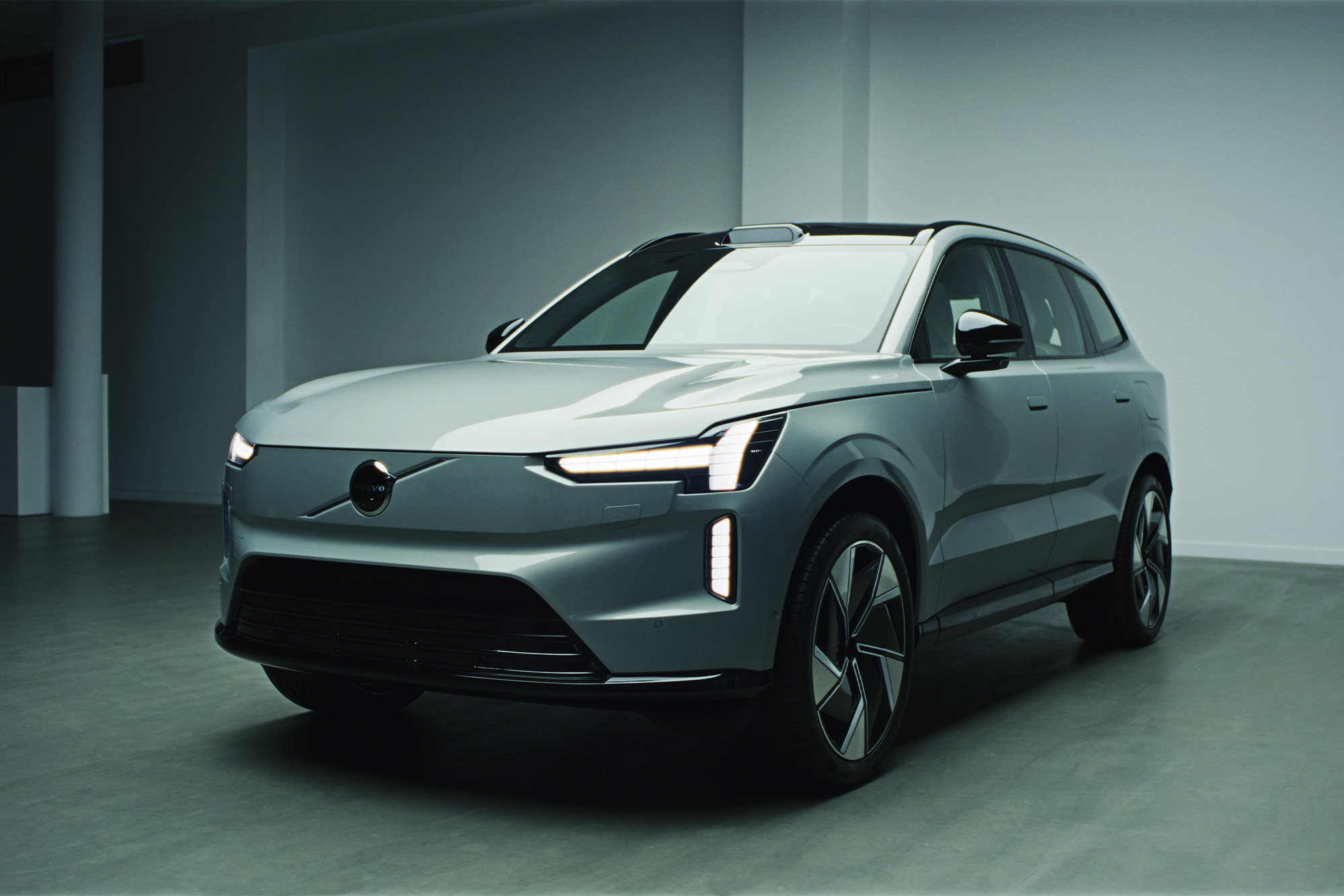
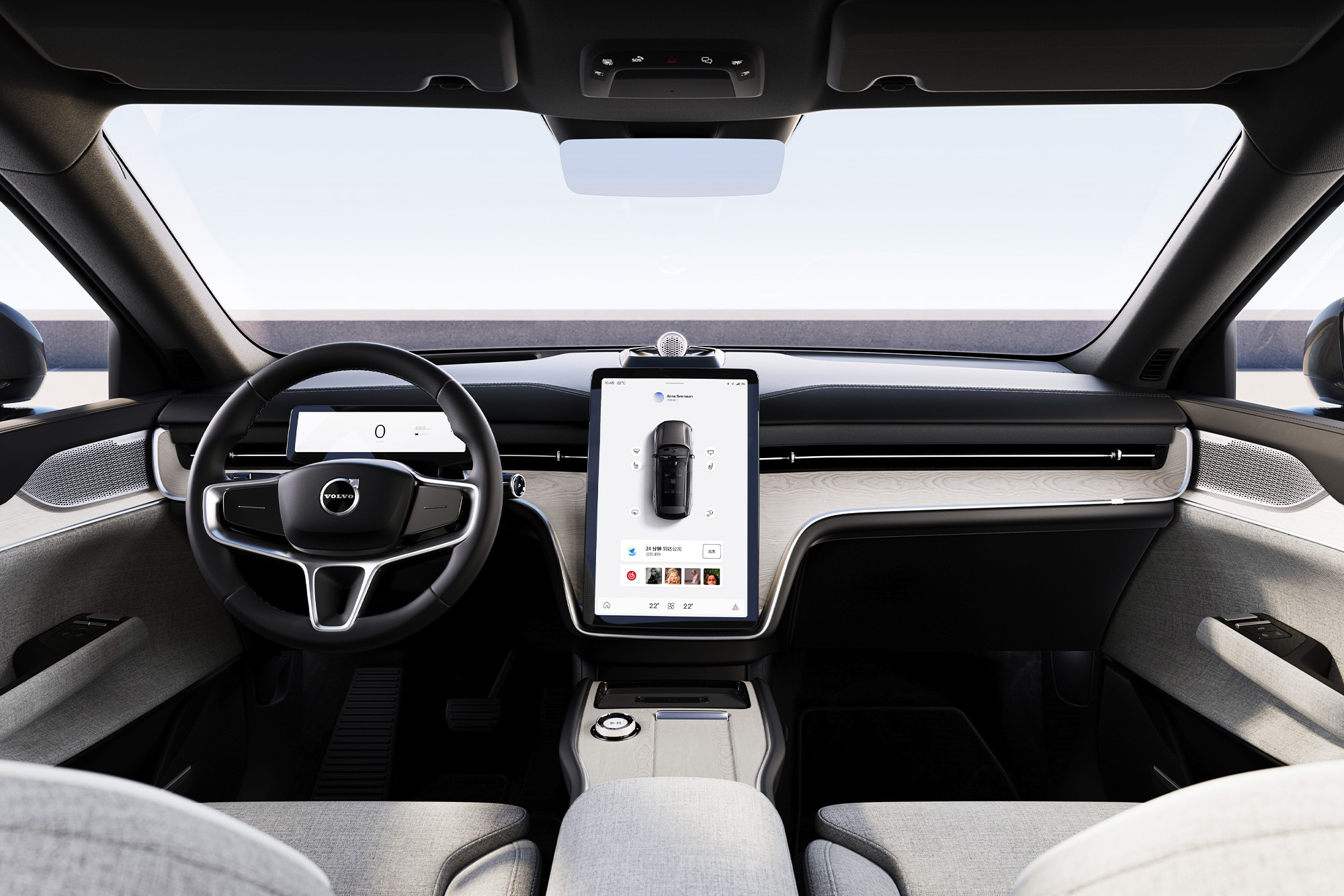
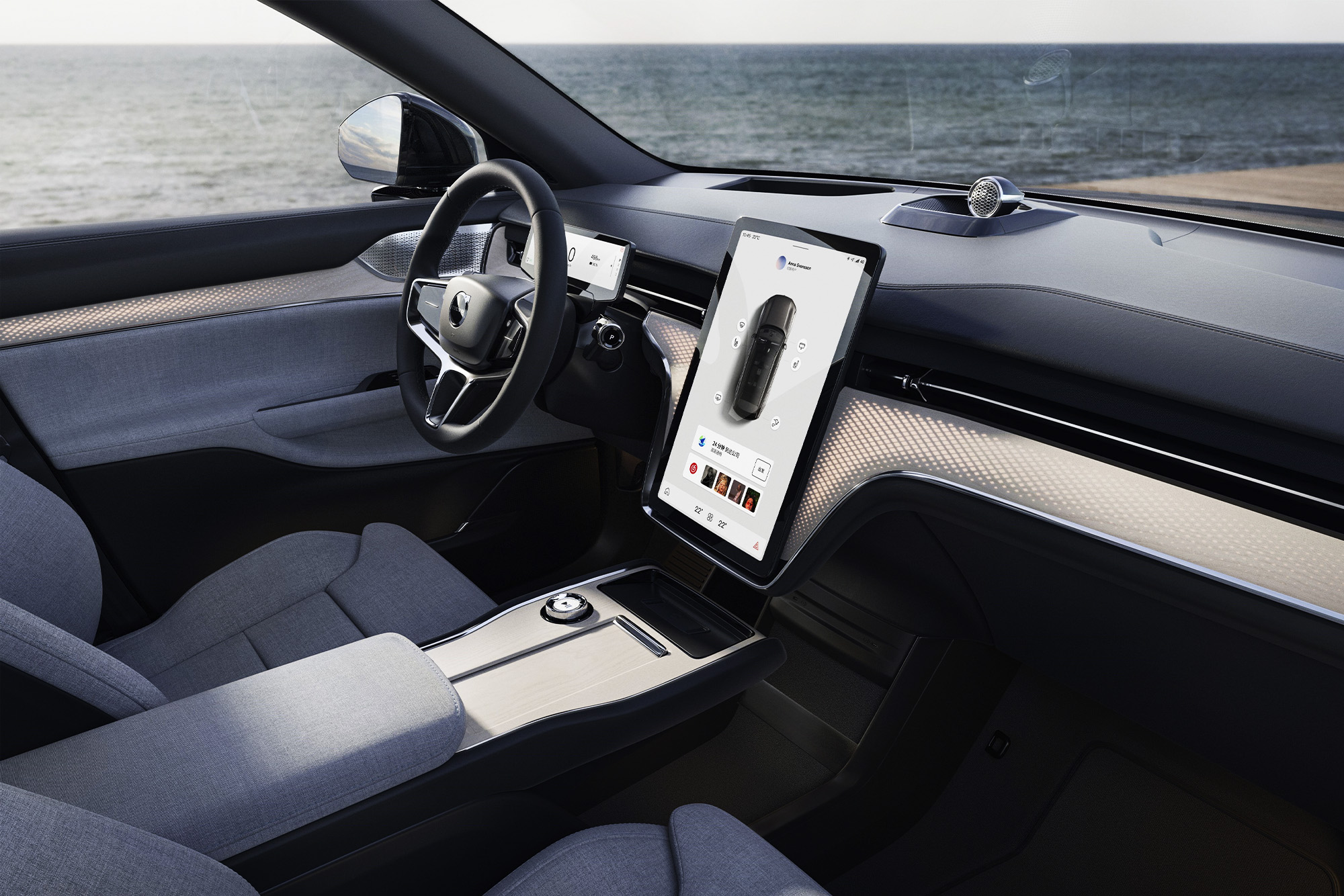
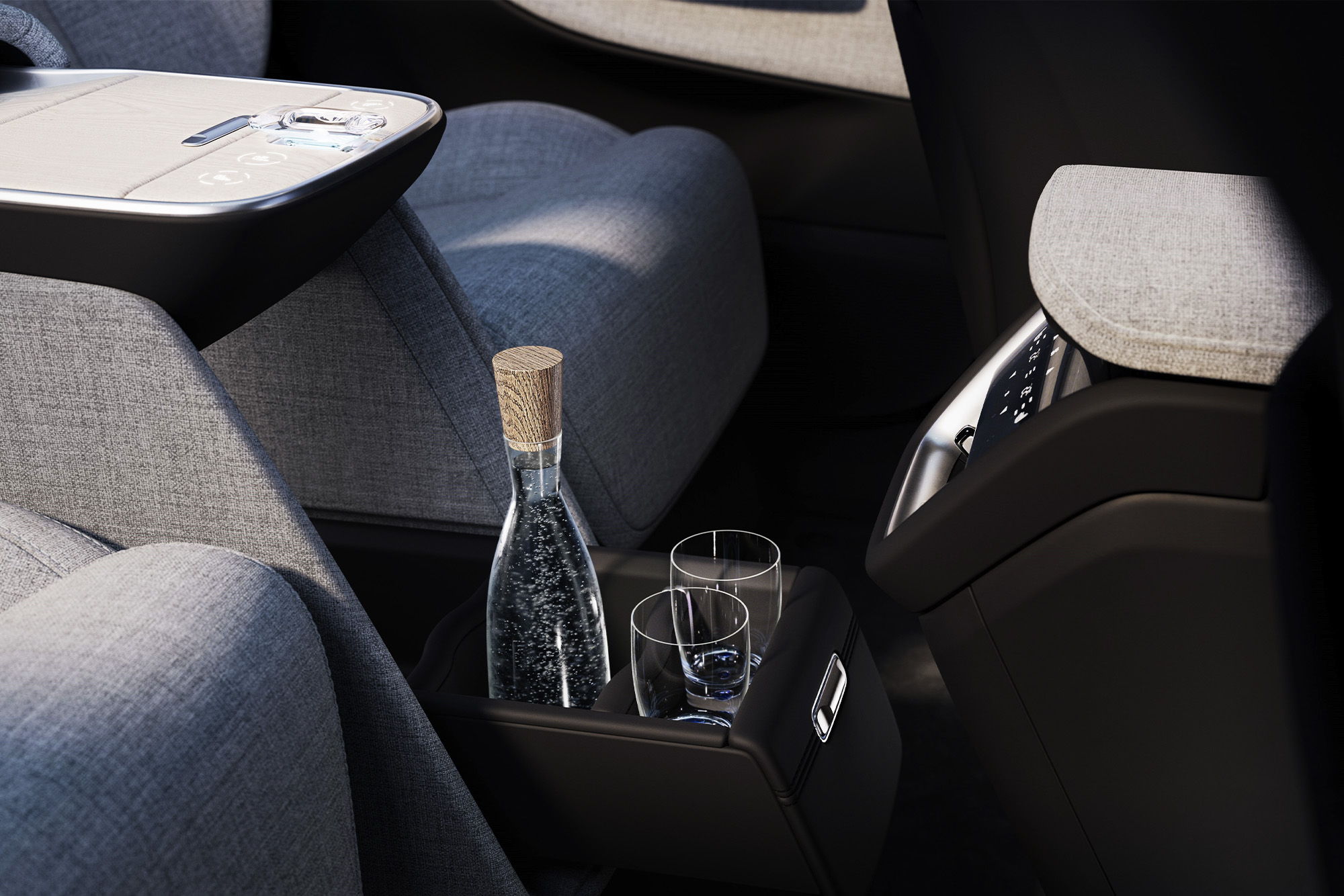
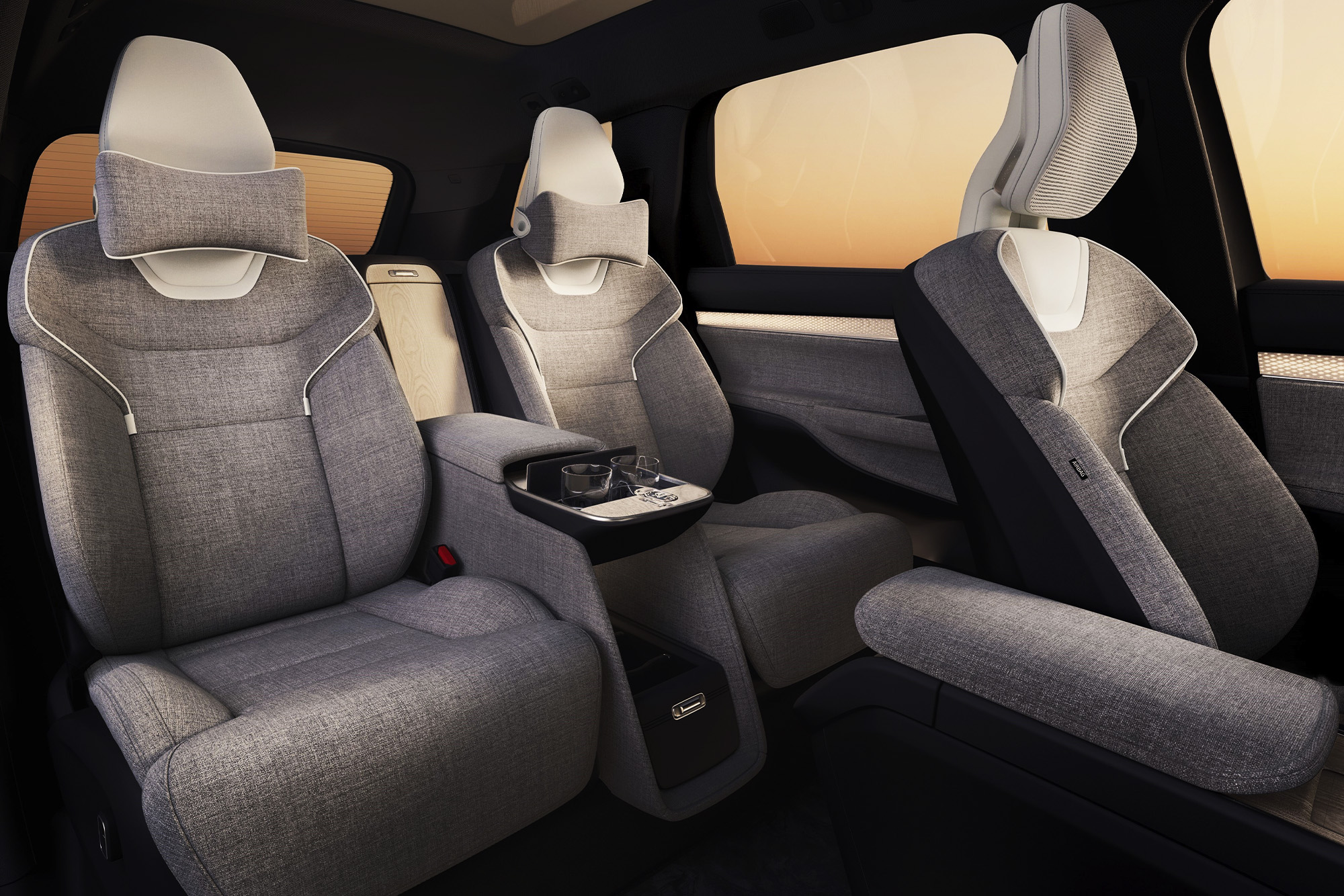
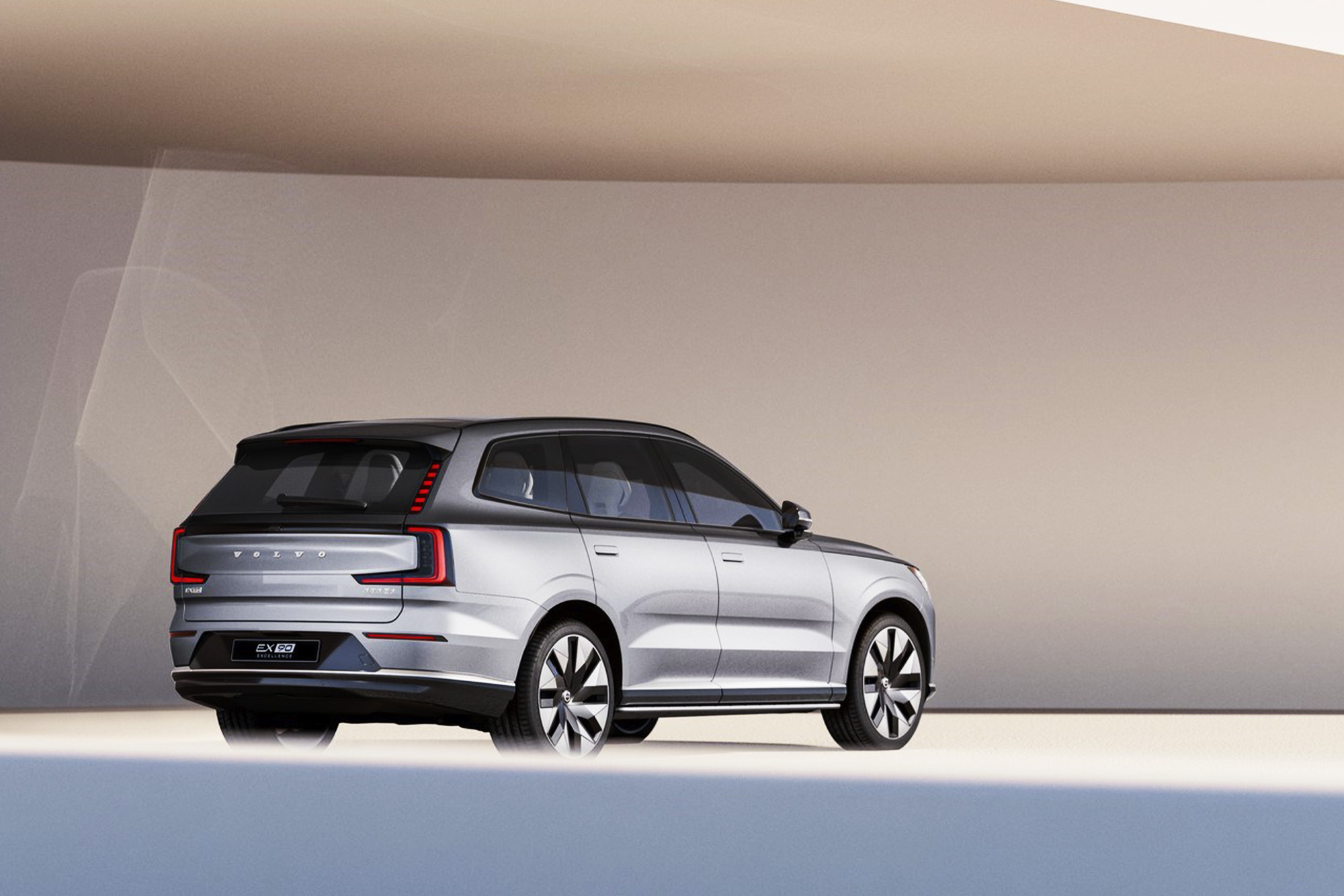
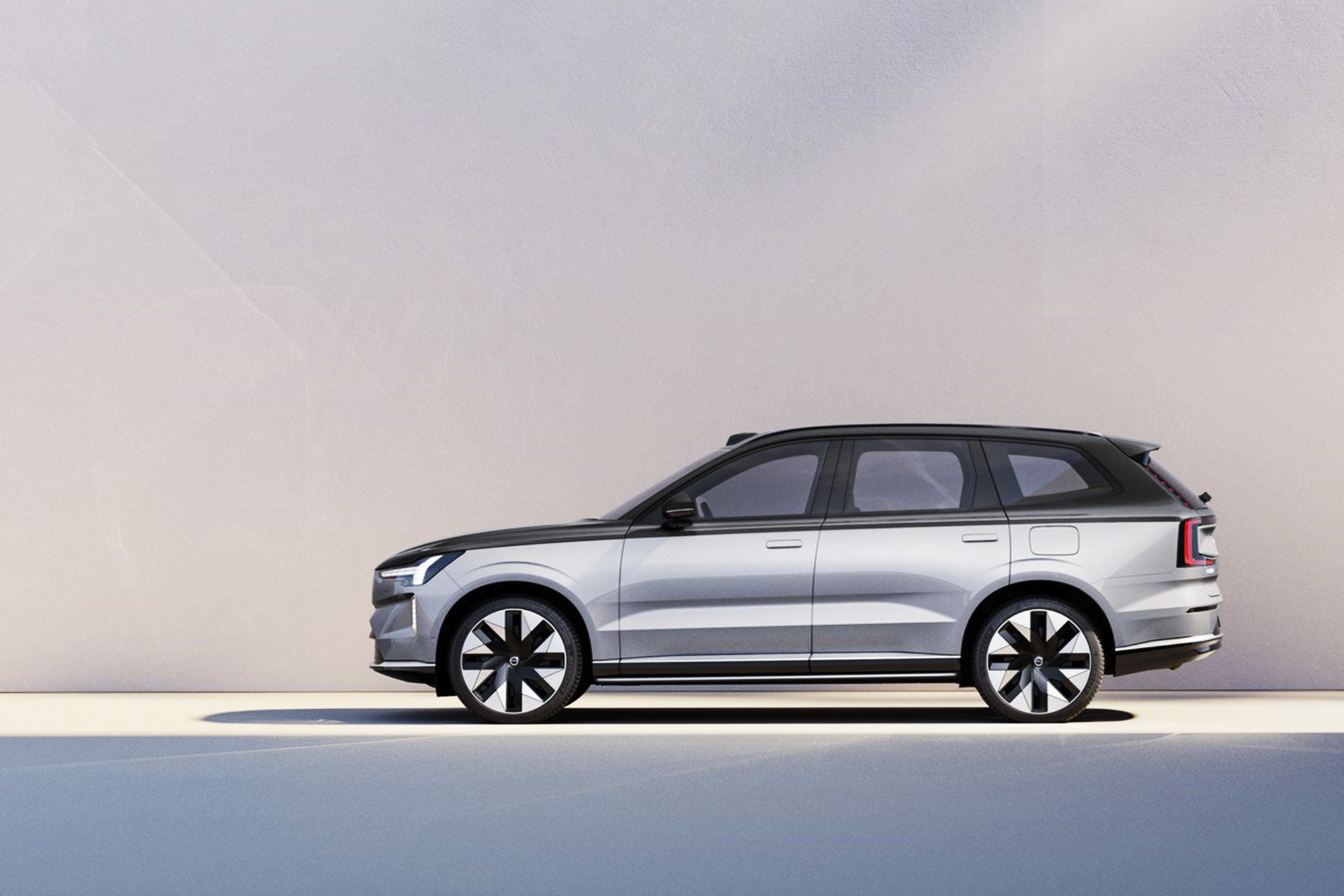
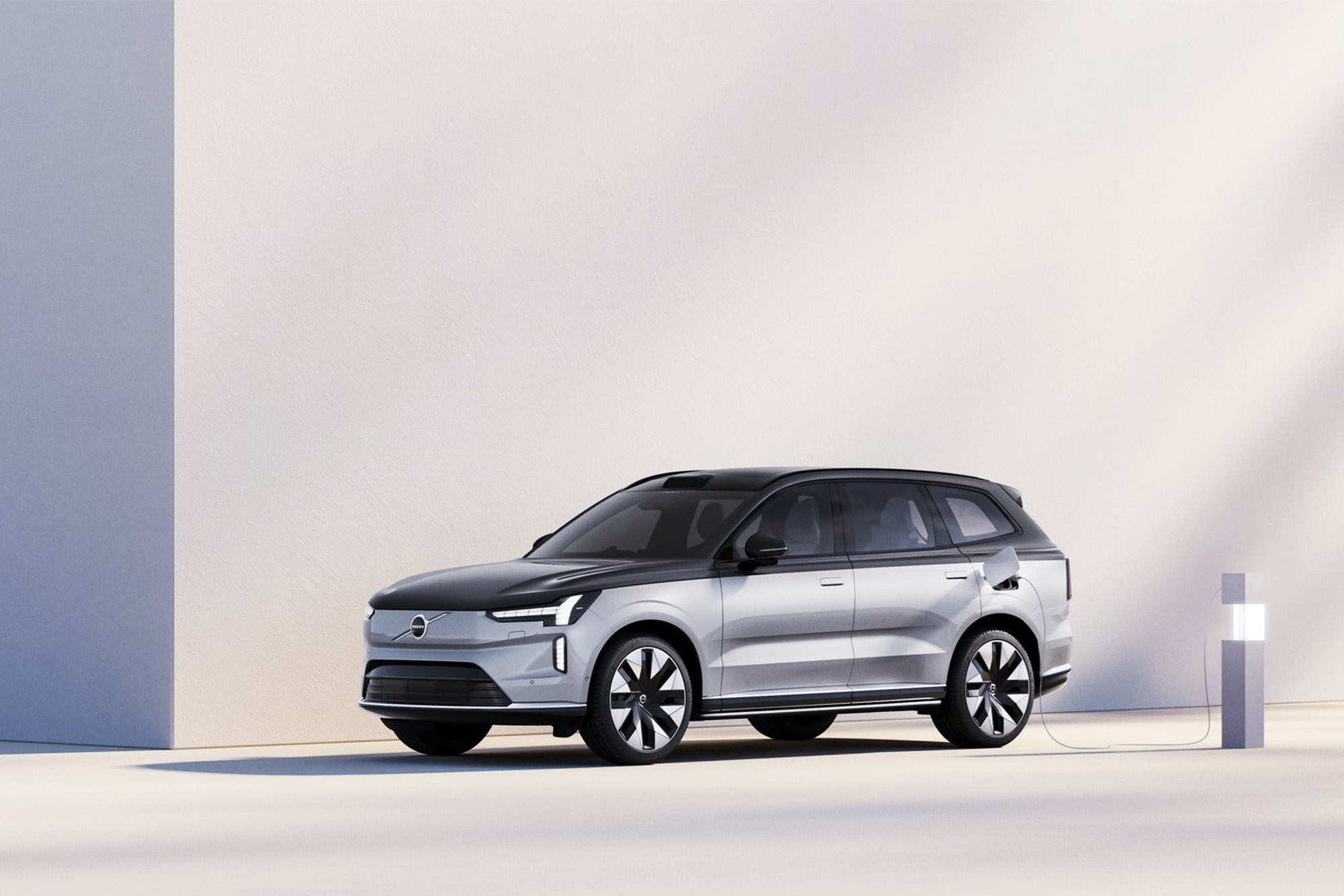
The Swedes take safety seriously. An on-board LiDAR sensor (think: laser radar) can detect small objects and potential obstacles from hundreds of metres ahead of the vehicle, in real-time, during day or night. The whole car has been designed and built with a focus on reducing its cradle-to-grave carbon footprint, which makes this flagship SUV even easier to love.
Audi Q6 e-tron


Audi Q6 e-tron
Audi Q6 e-tron
Audi Q6 e-tron
Audi Q6 e-tron
Audi Q6 e-tron
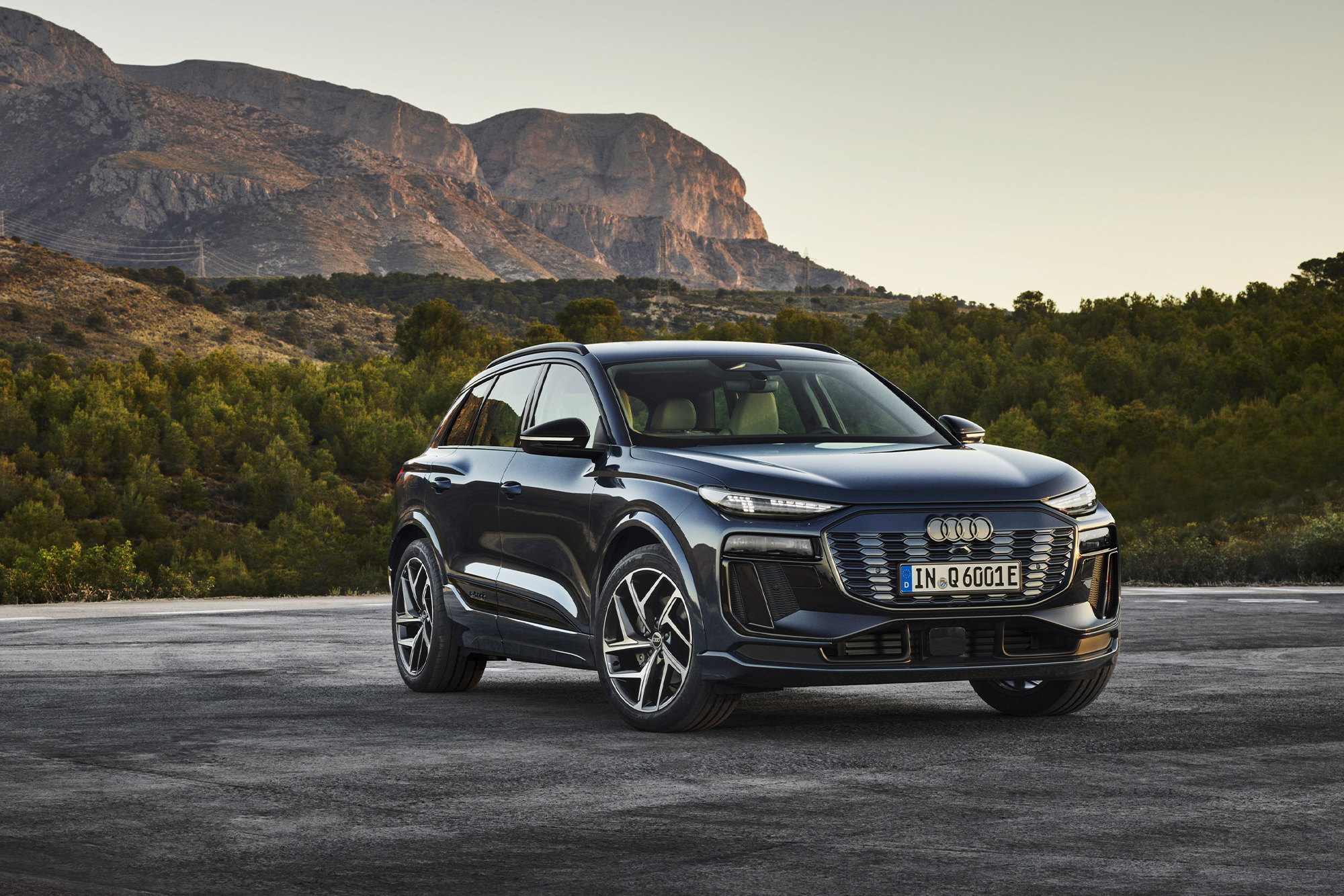
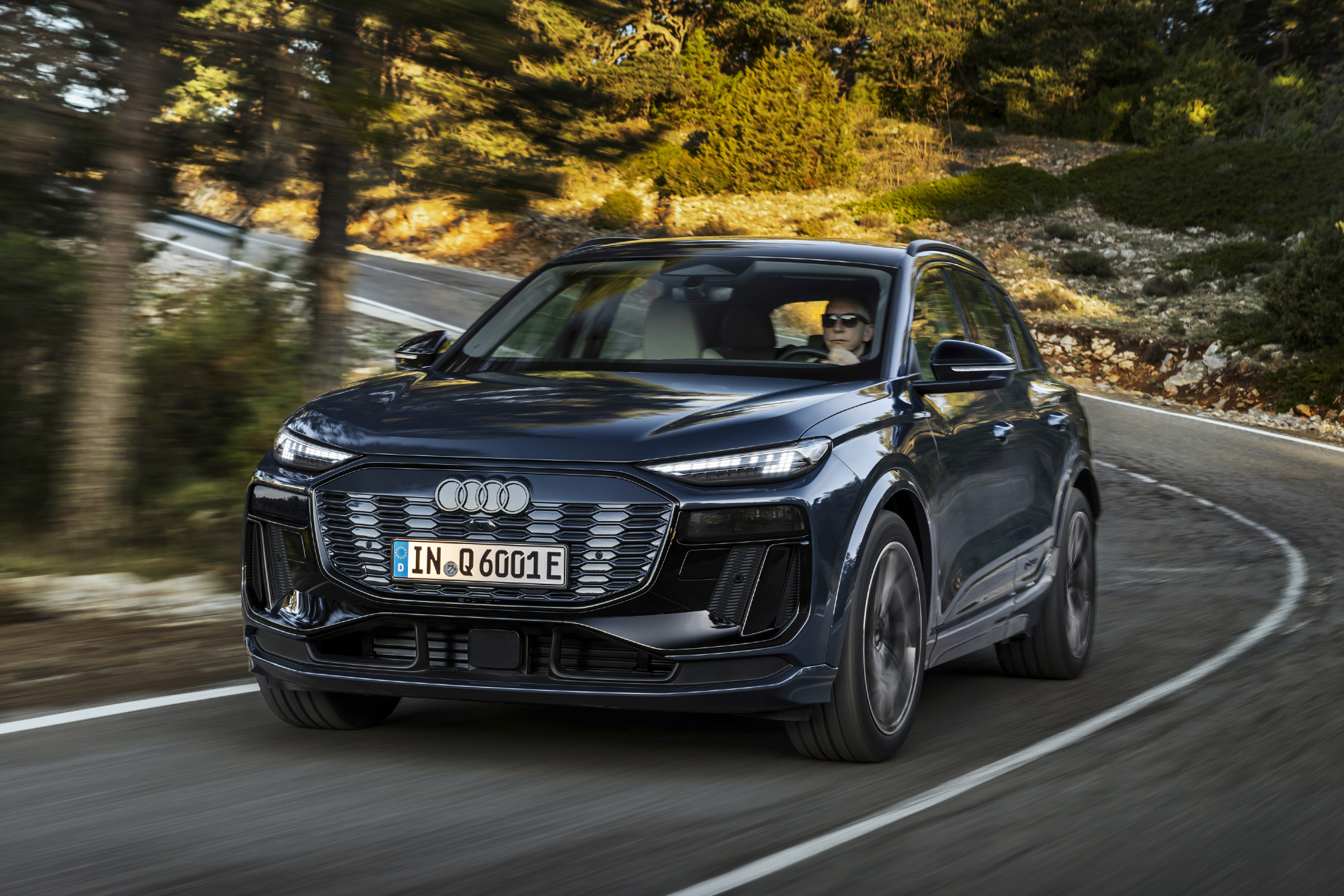
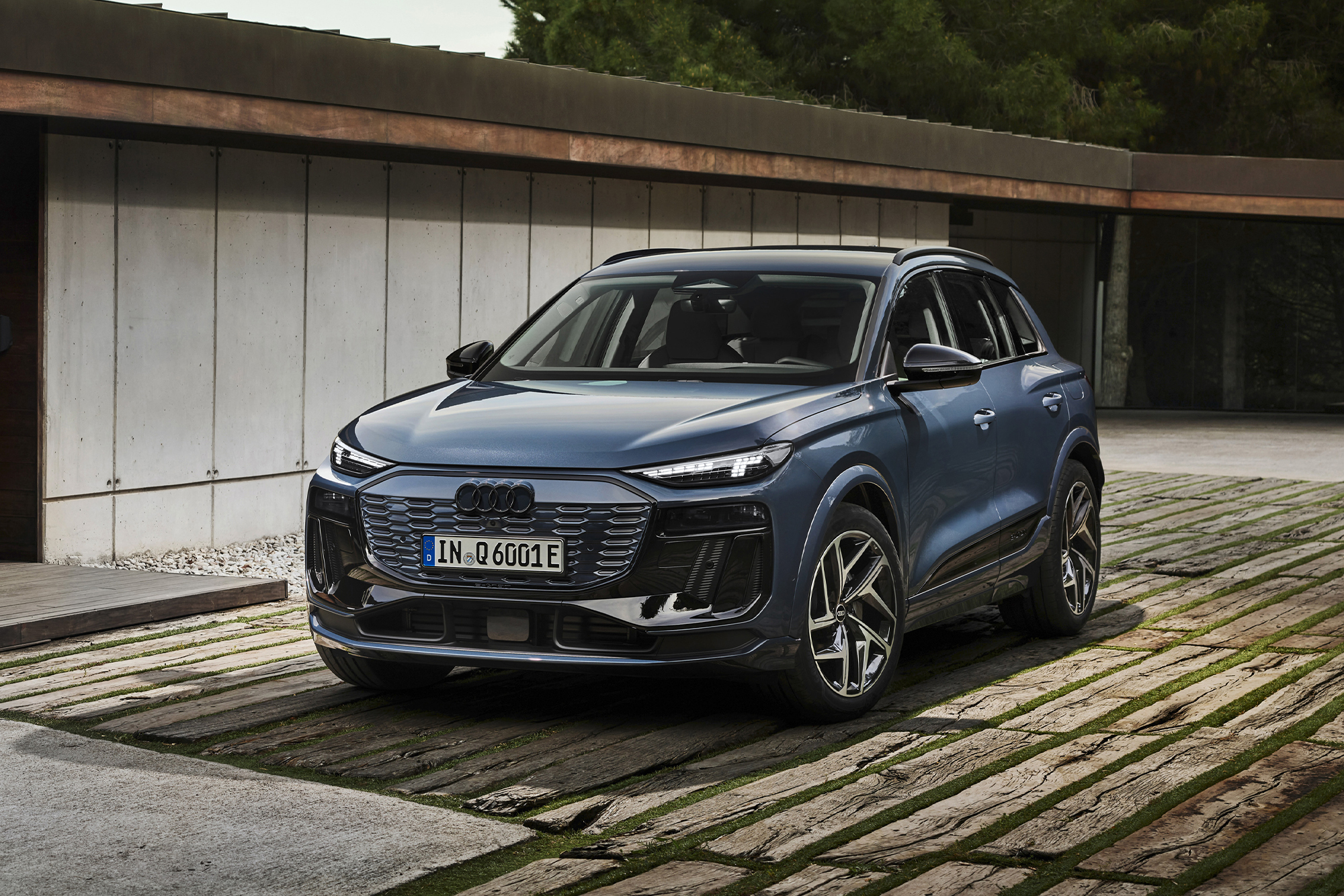
This is an all-new, next generation EV from Audi. It rides on the same cutting-edge platform as the Porsche, so expect more range and better efficiency from the Q6 than previous Audi models. It’s smarter too, with a new intelligent voice assistant that the brand says is always learning, and has the ability to control vehicle functions, learn from your routines, and make predictive suggestions.
Porsche Macan EV
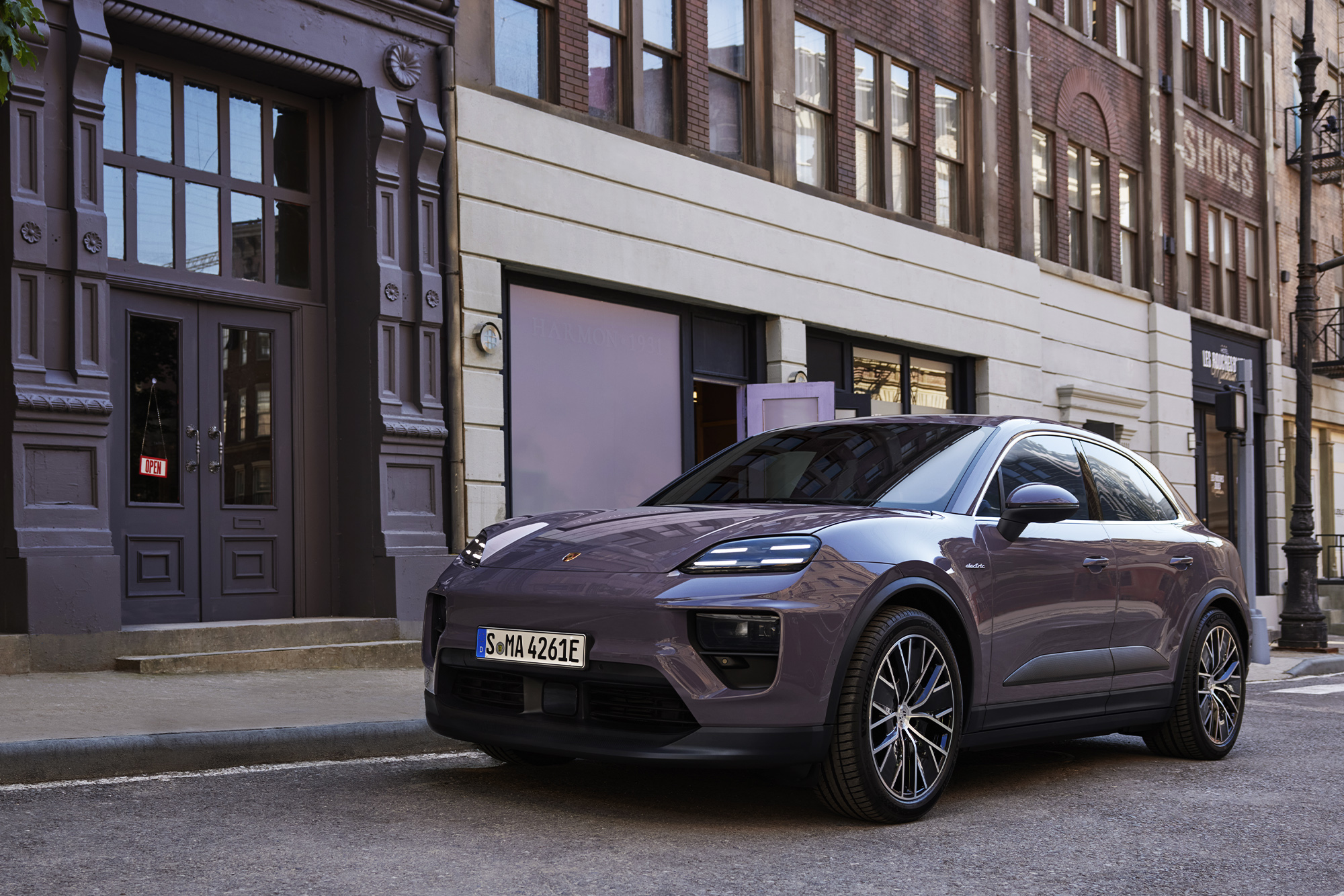
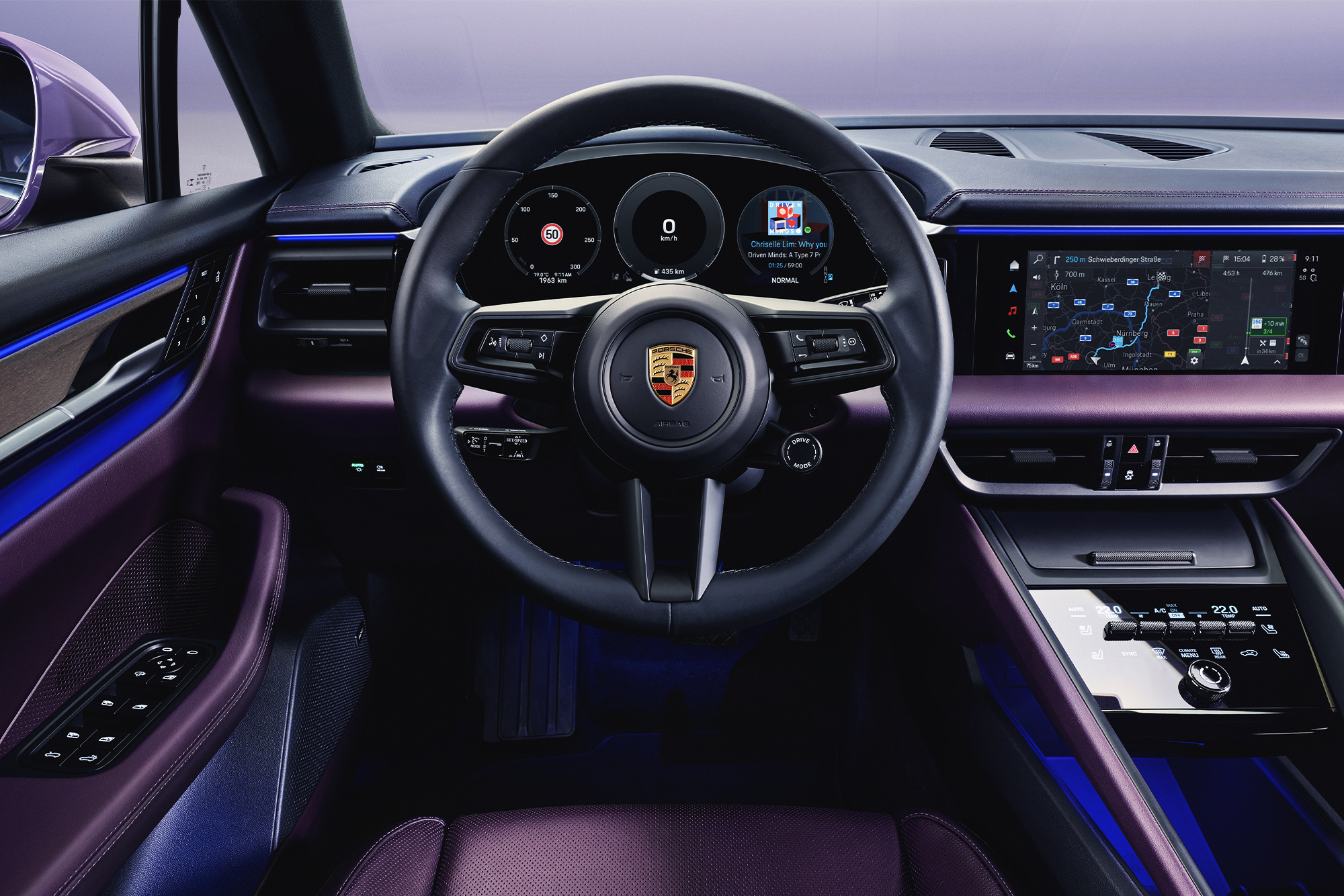
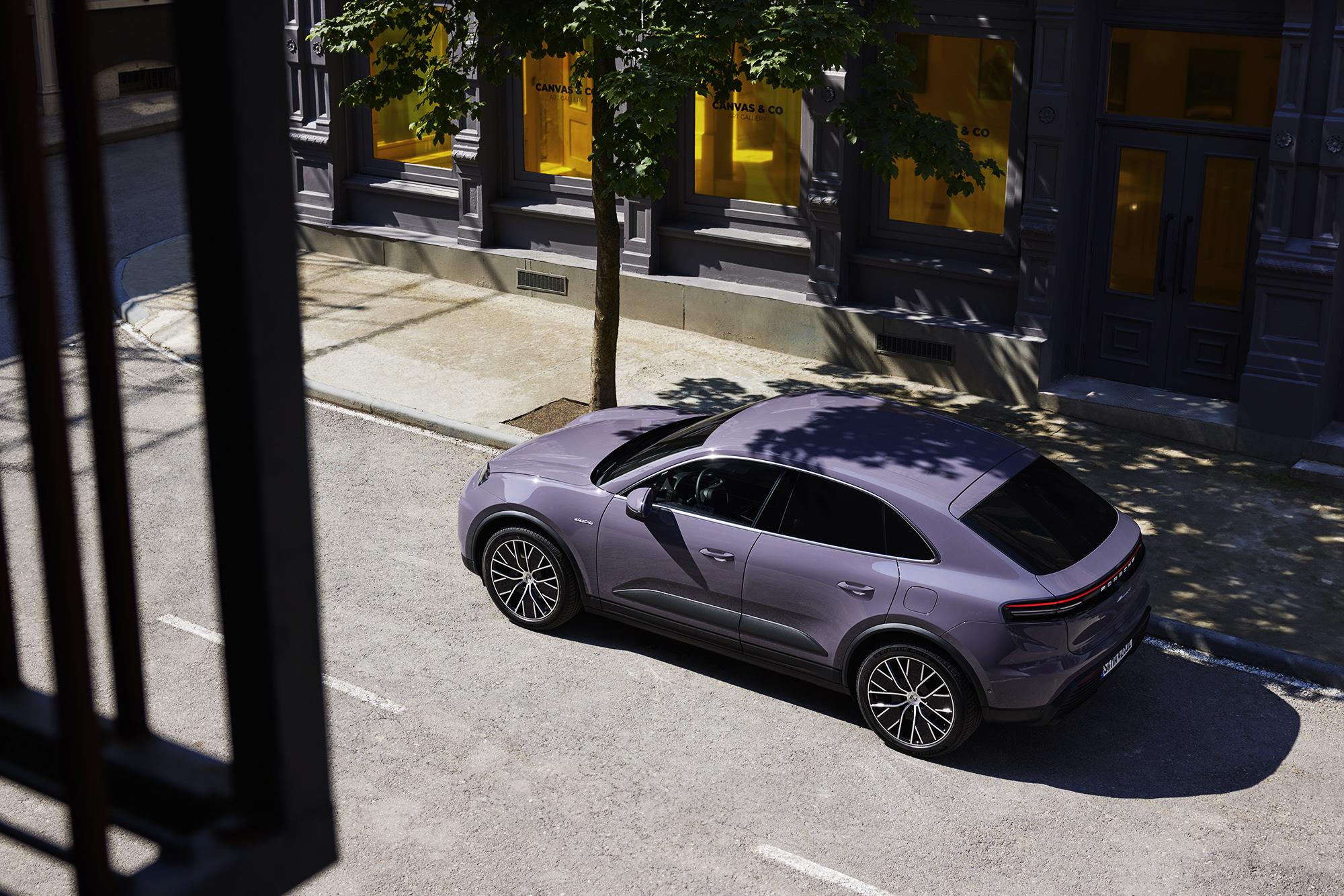
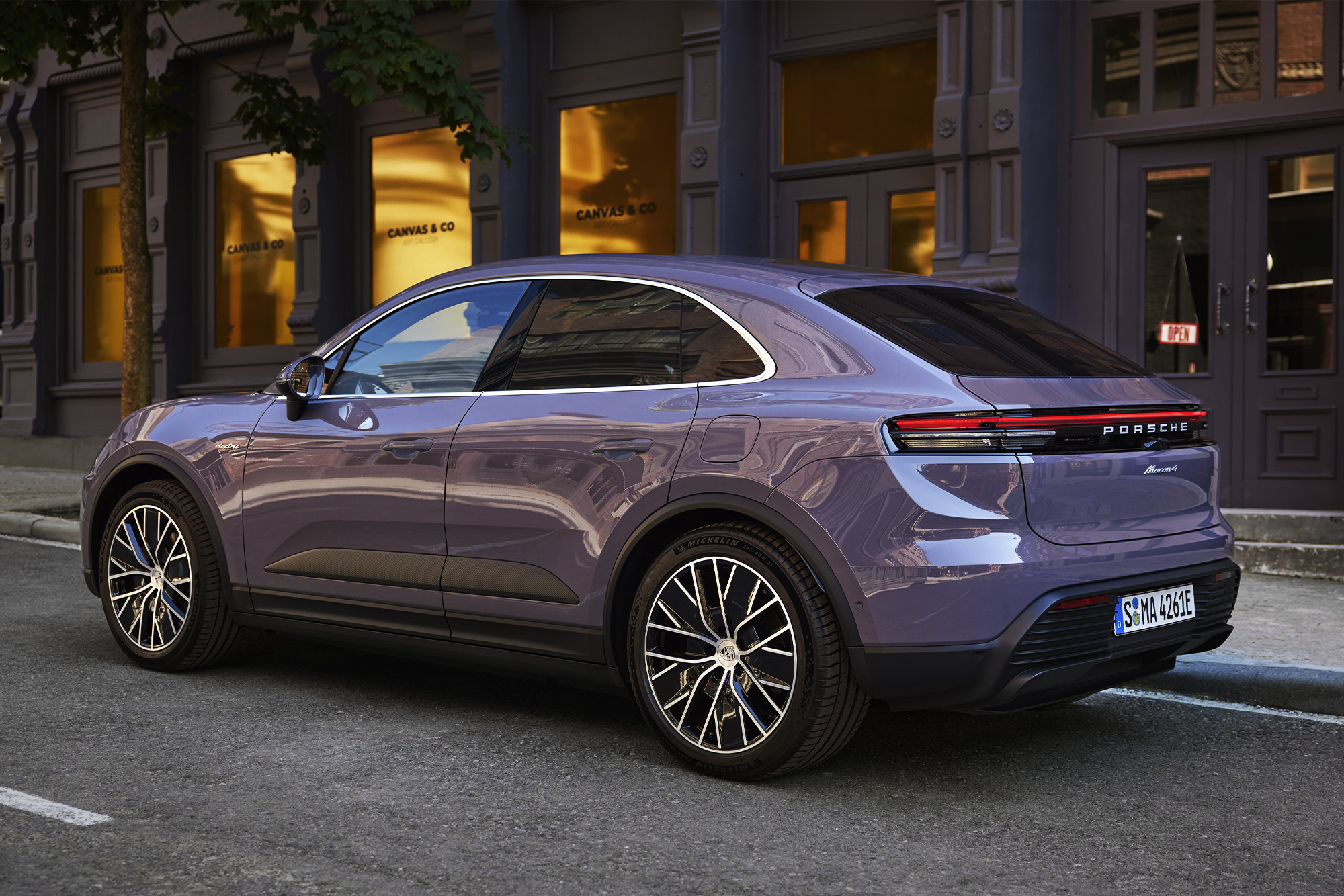
Porsche Macan EV
Porsche Macan EV
Porsche Macan EV
Porsche Macan EV
If it drives anywhere near as well as the Taycan, Porsche’s sophomore EV will be a hit. As you might expect, the company was aiming to create the “sportiest model” in the electric SUV segment. To that end, dual motors produce up to 630 horsepower, which is enough to get this compact machine from 0 to 100 km/h in just 3.3 seconds. Still, practicality remains top of mind, with Porsche making room for a “frunk” (front trunk) cargo area.
Jeep Wagoneer S
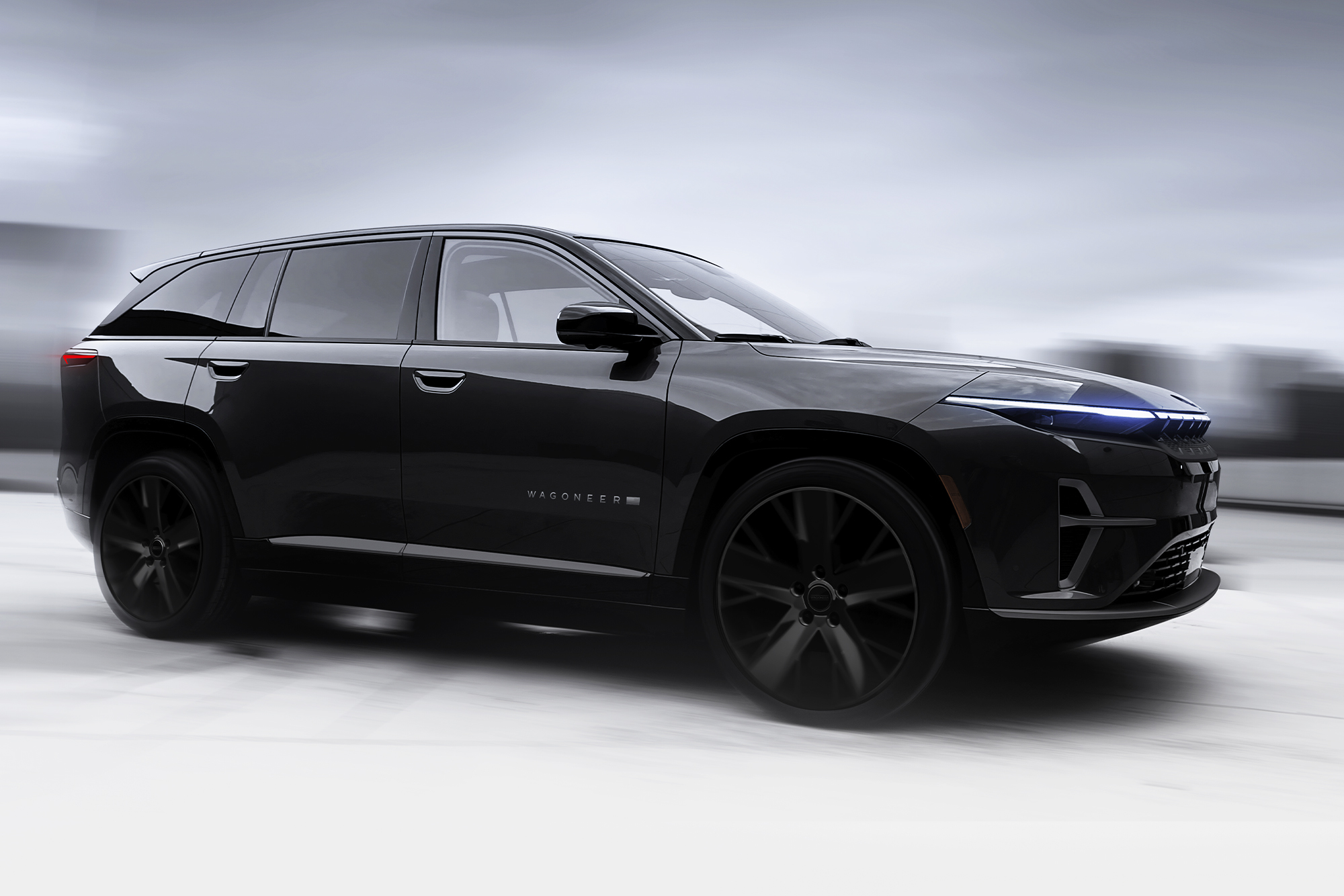
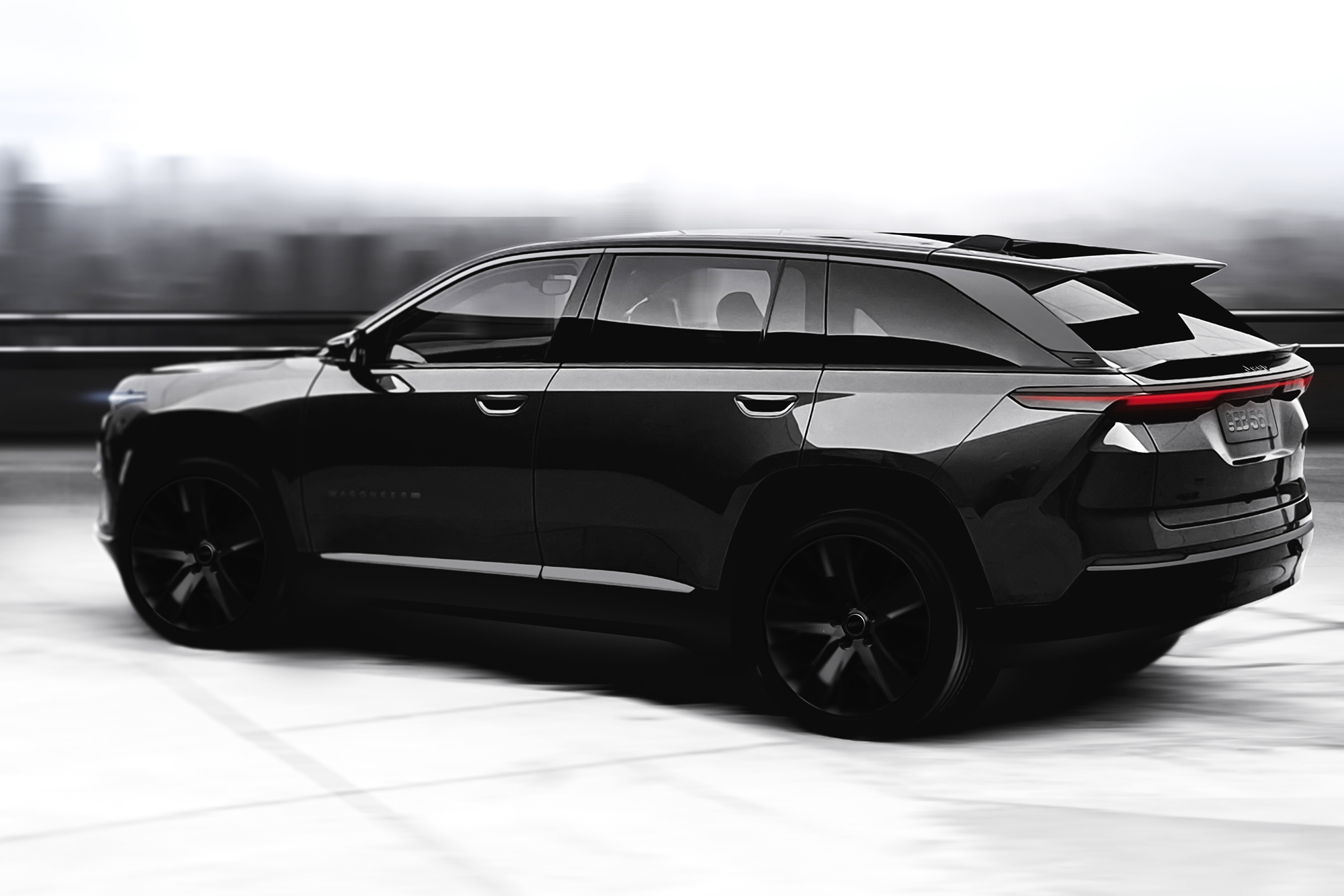
Jeep Wagoneer S
Jeep Wagoneer S
Jeep Wagoneer S
Jeep Wagoneer S
Jeep Wagoneer S
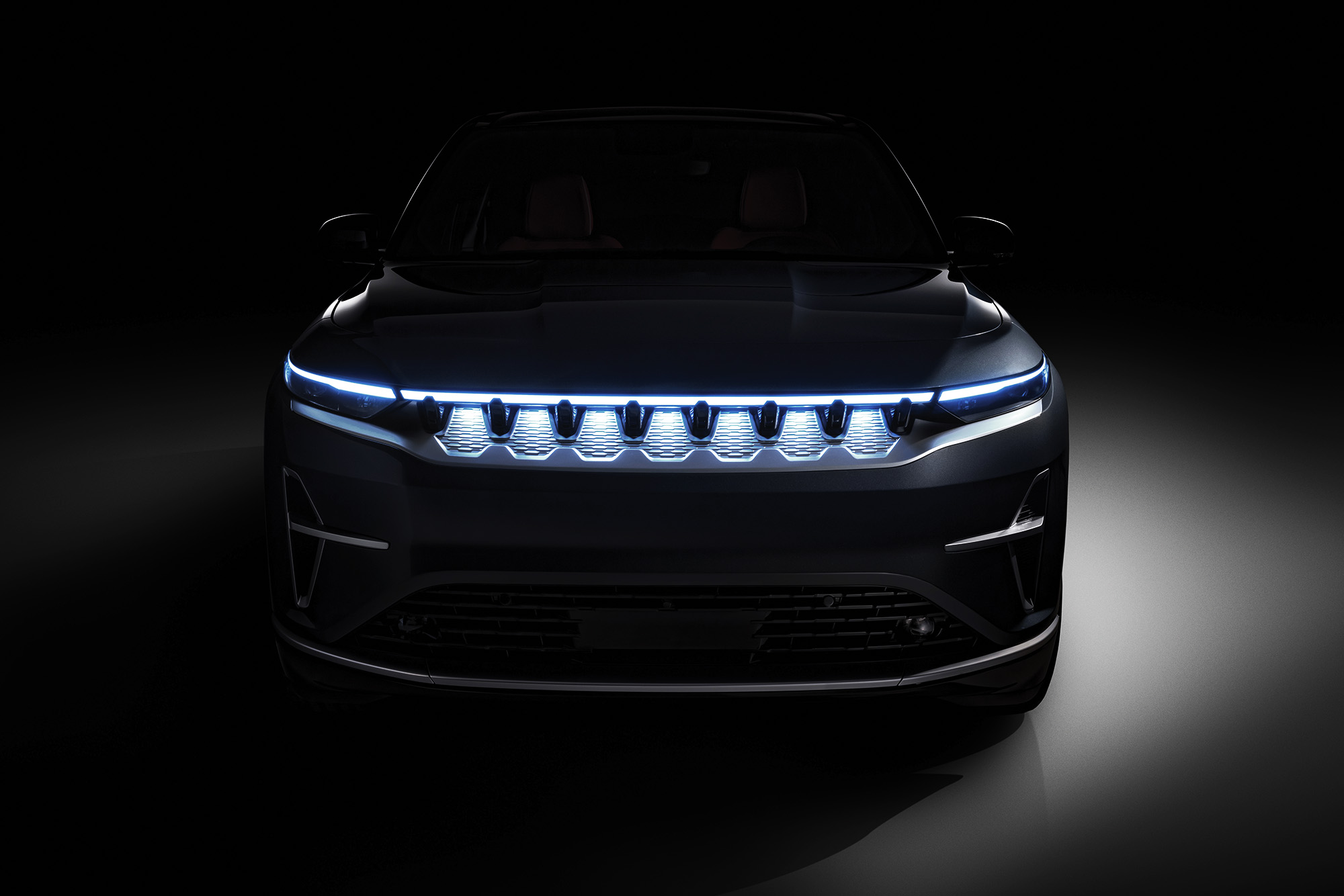
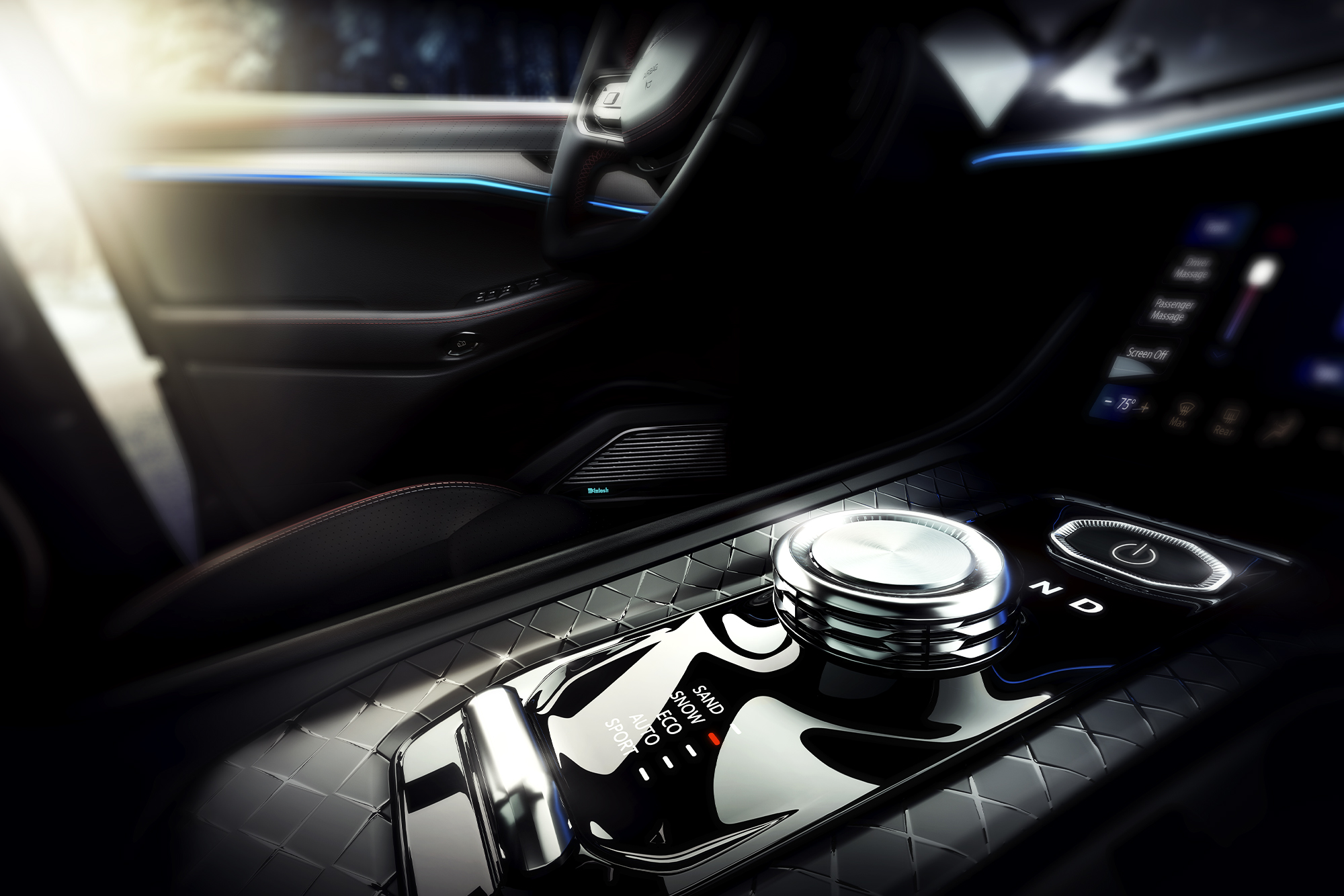
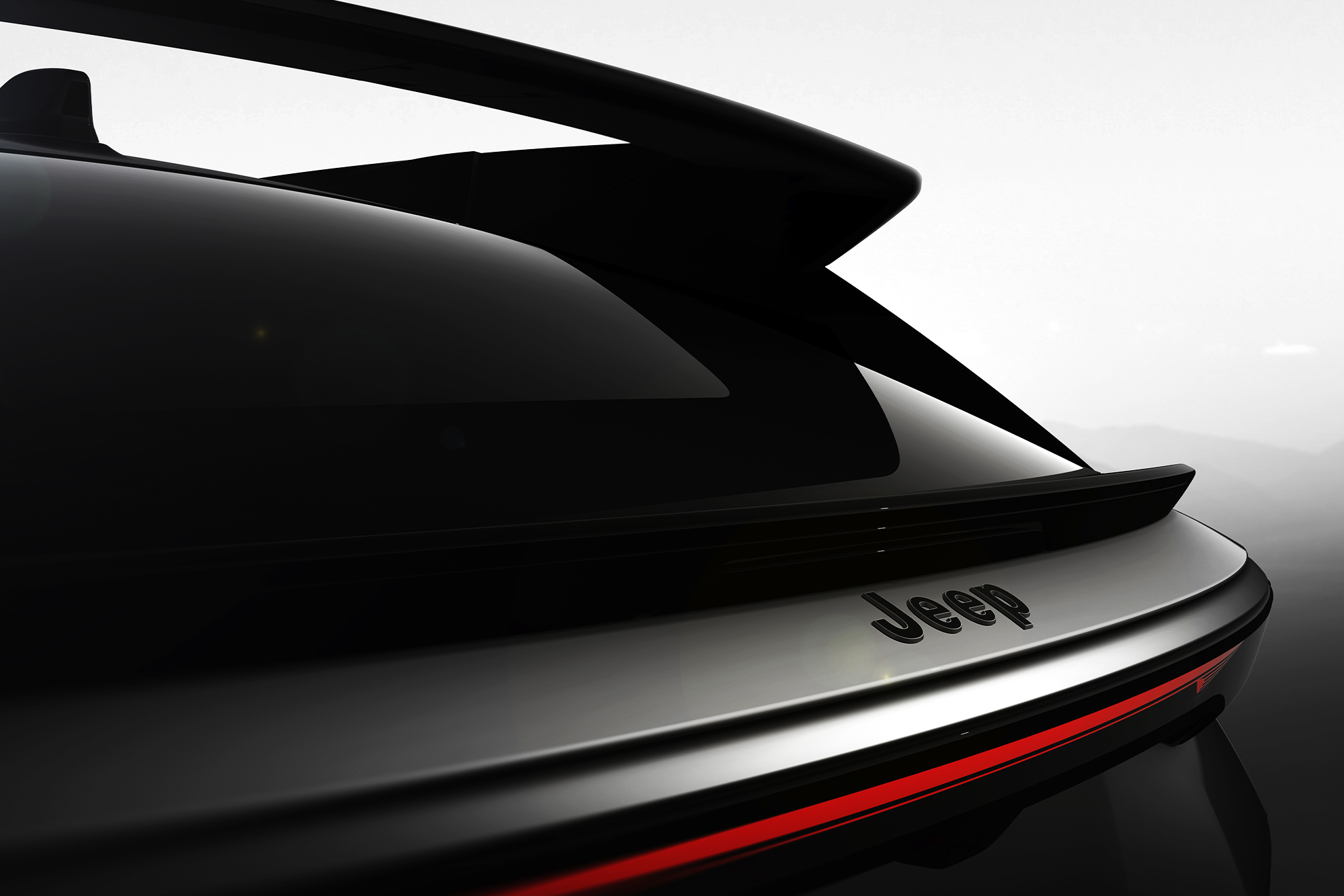
Jeep’s first EV will have an LED-lit take on the brand’s iconic seven-slot grille. Also 600 horsepower — which will be good enough to get this behemoth to 100 km/h in around 3.6 seconds. Underpinning all this is a new architecture, developed from the beginning to accommodate electric powertrains. But the silence afforded by electric power will make it even easier to appreciate the SUV’s exclusive 19-speaker McIntosh audio system.
BMW I5 Touring
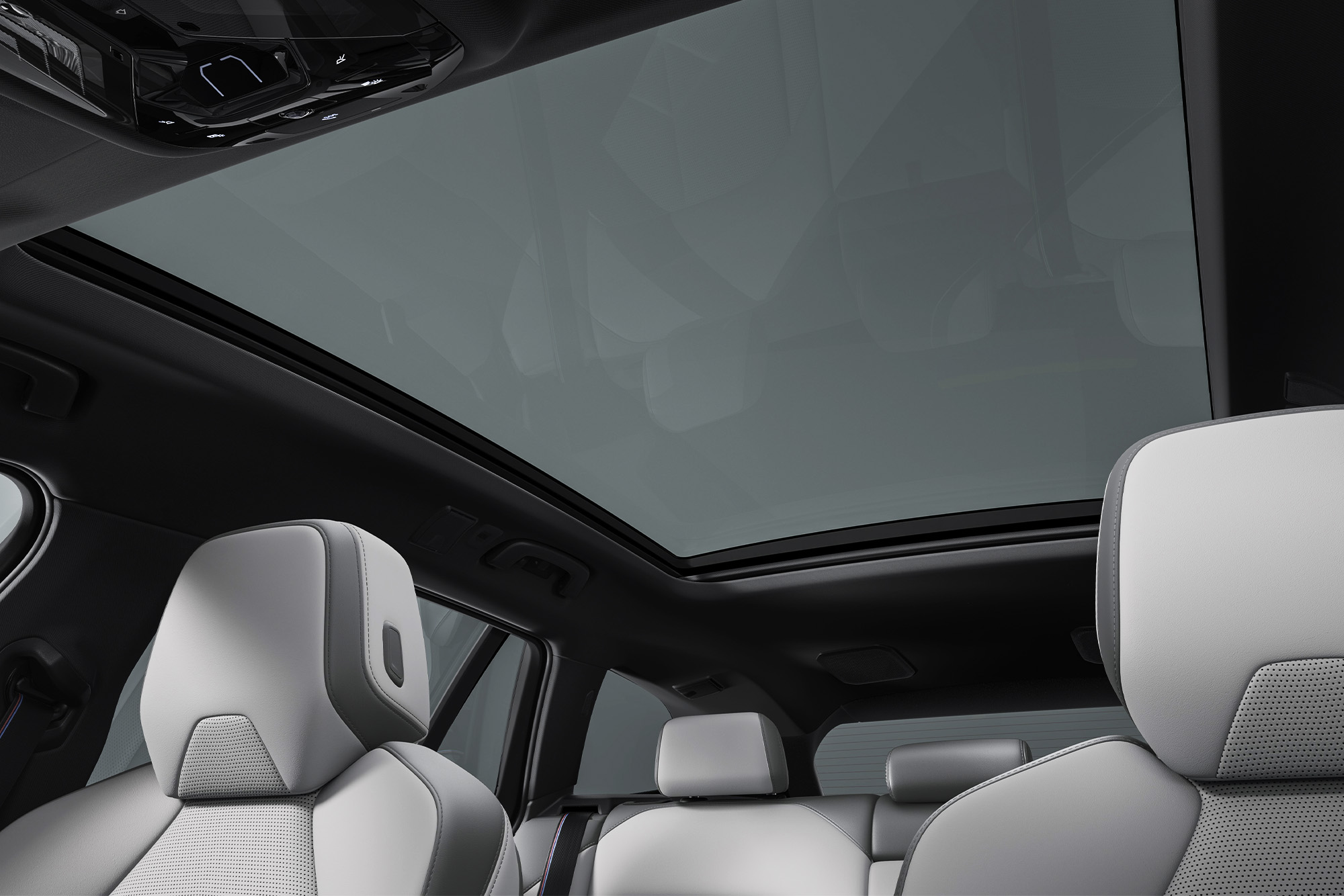
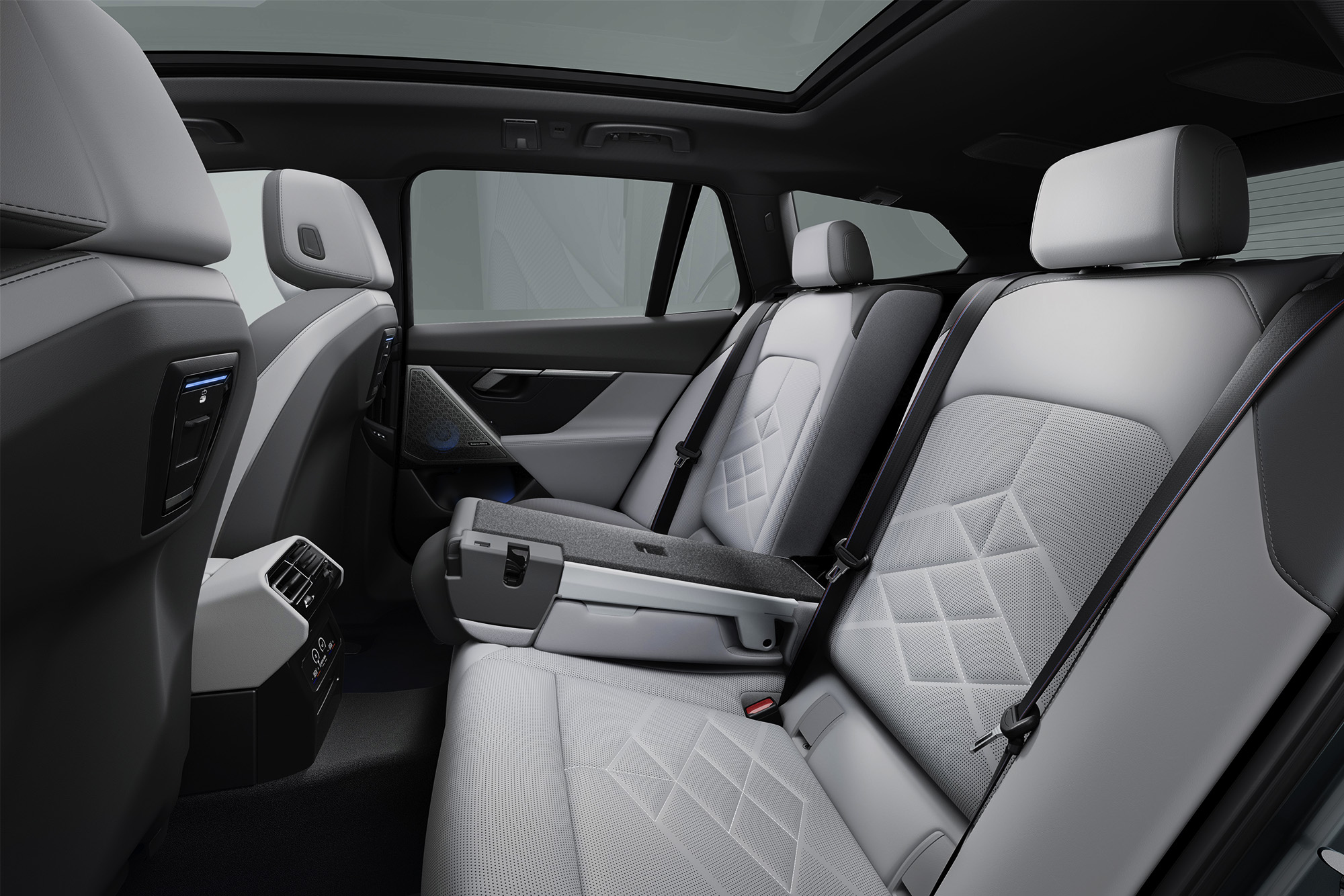
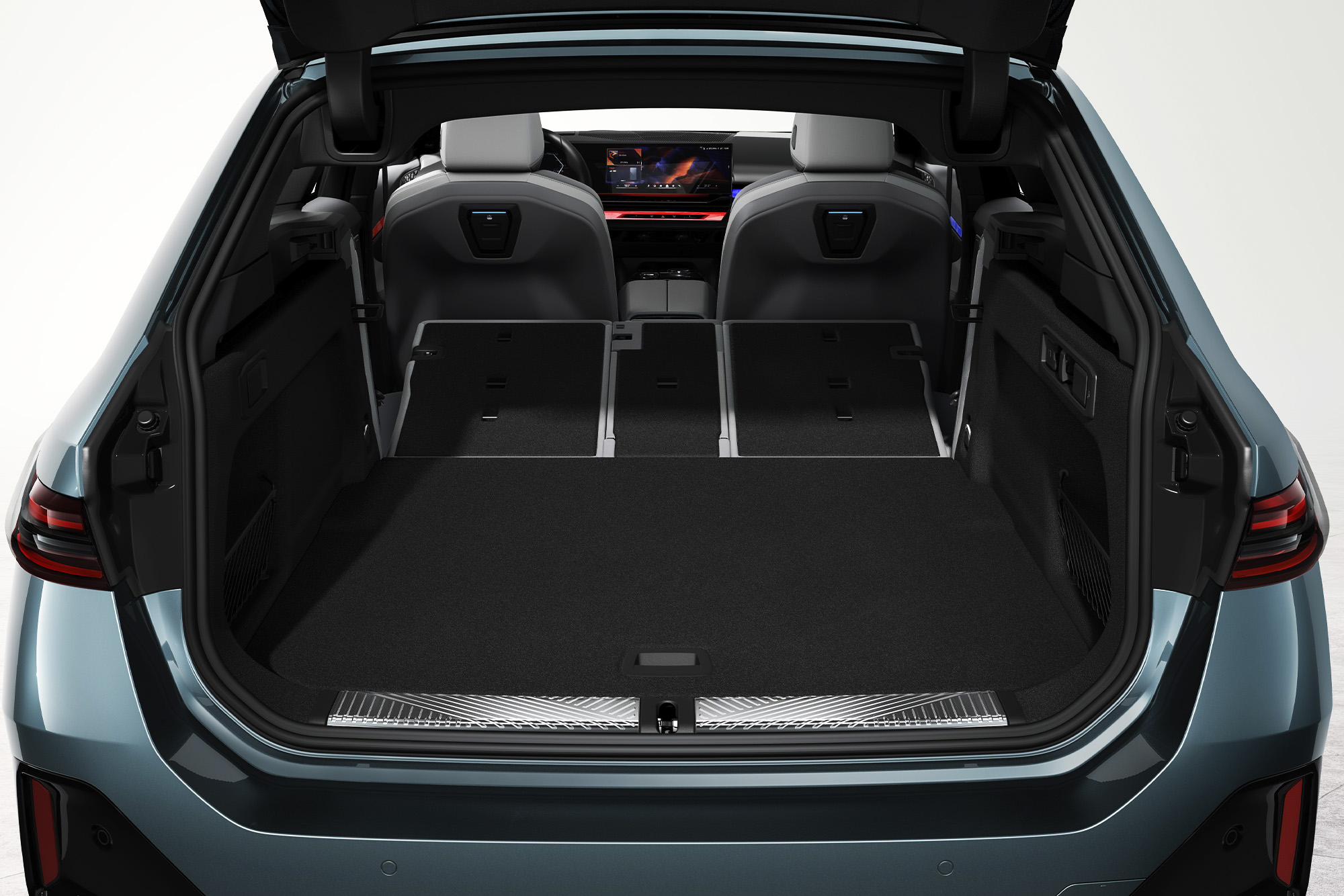
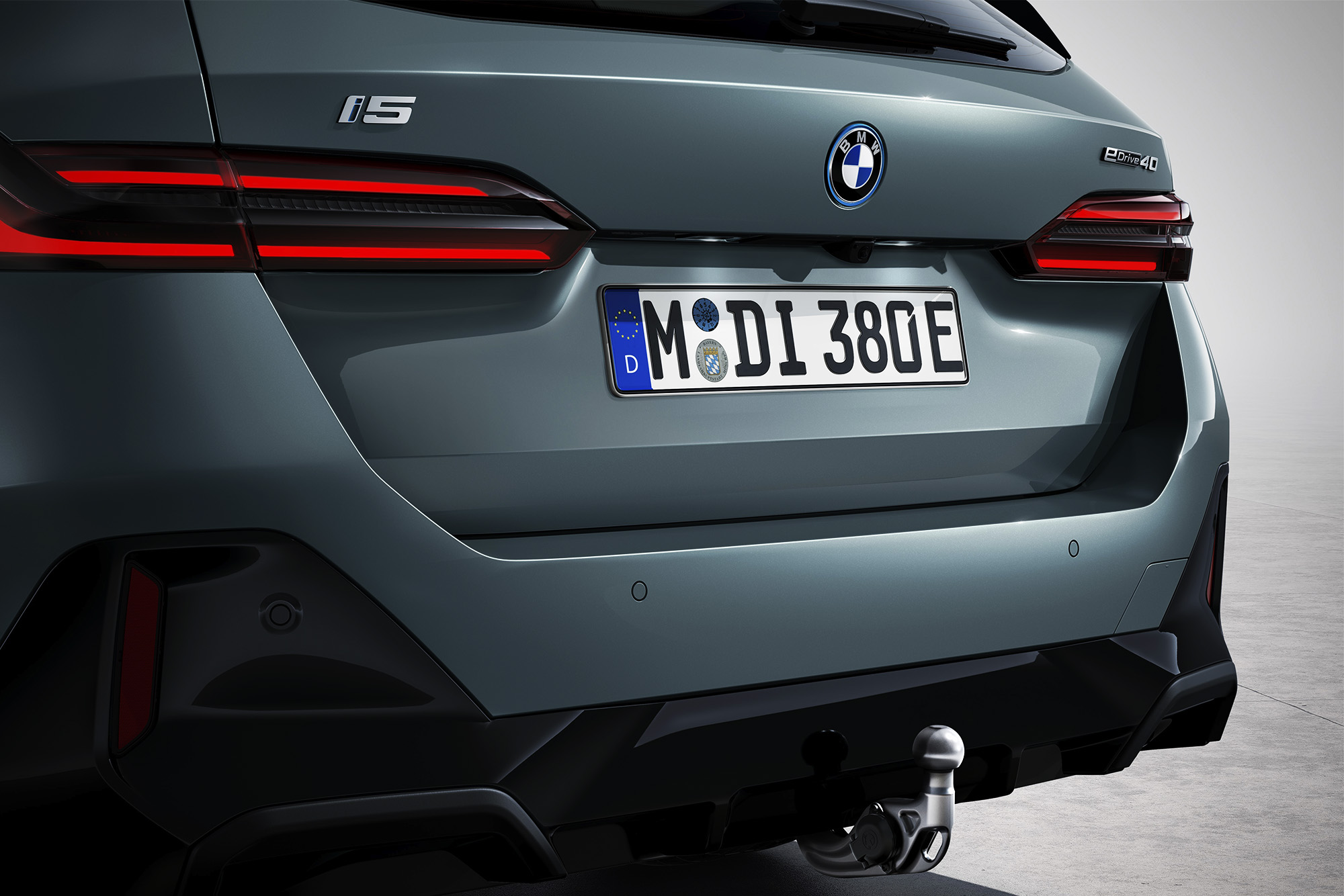
BMW I5 Touring
BMW I5 Touring
BMW I5 Touring
BMW I5 Touring
BMW I5 Touring
BMW I5 Touring
BMW I5 Touring
BMW I5 Touring
BMW I5 Touring
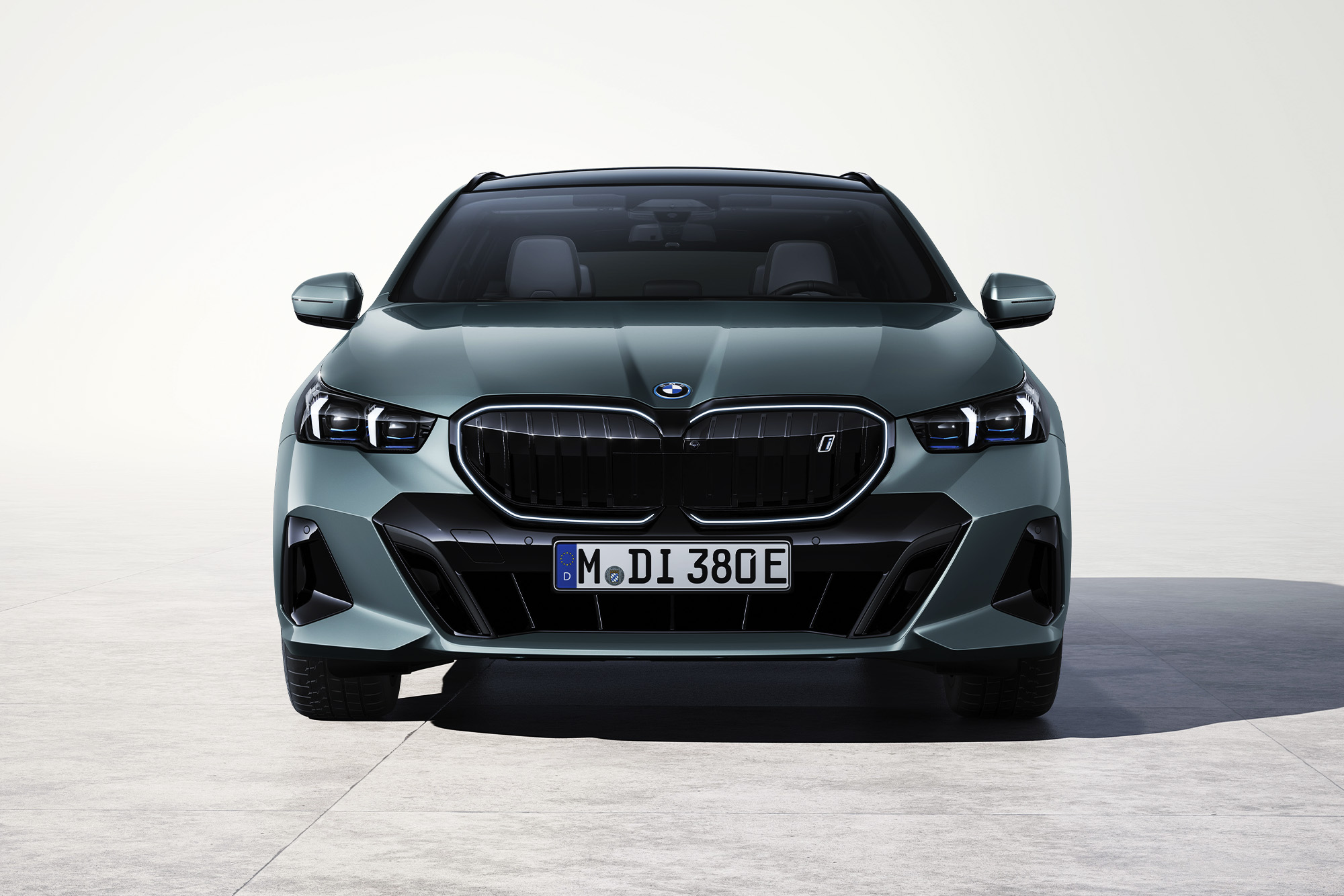
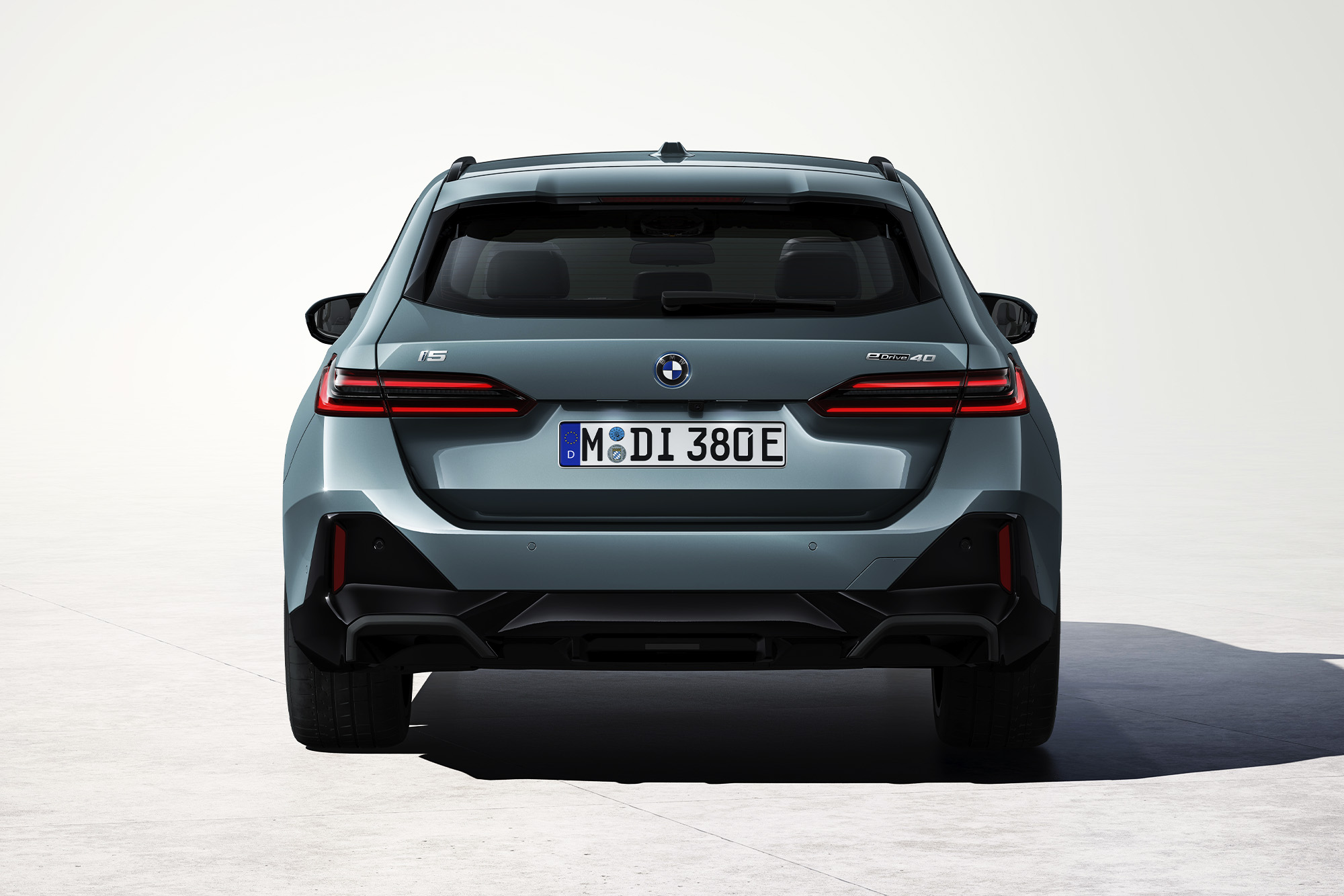
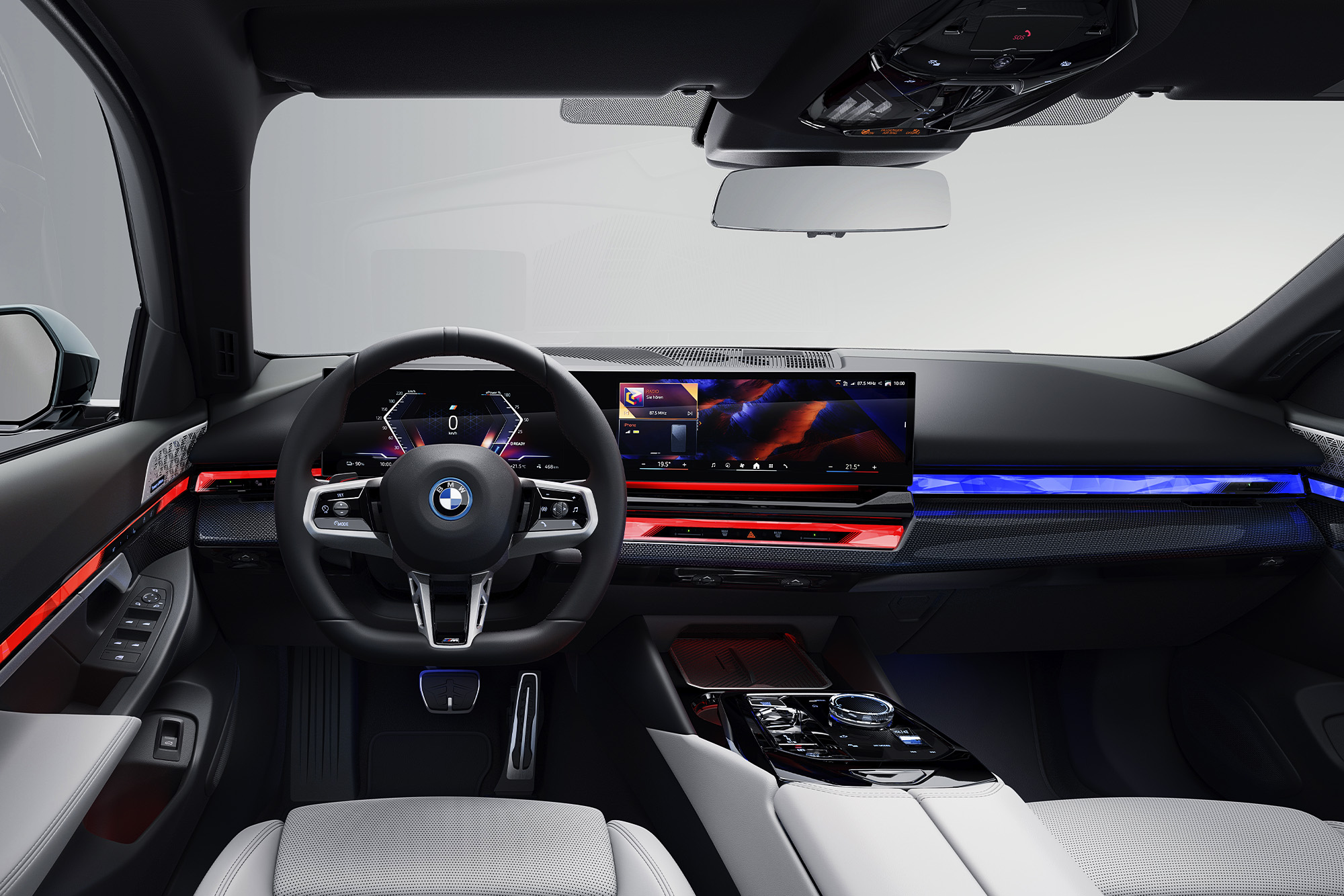
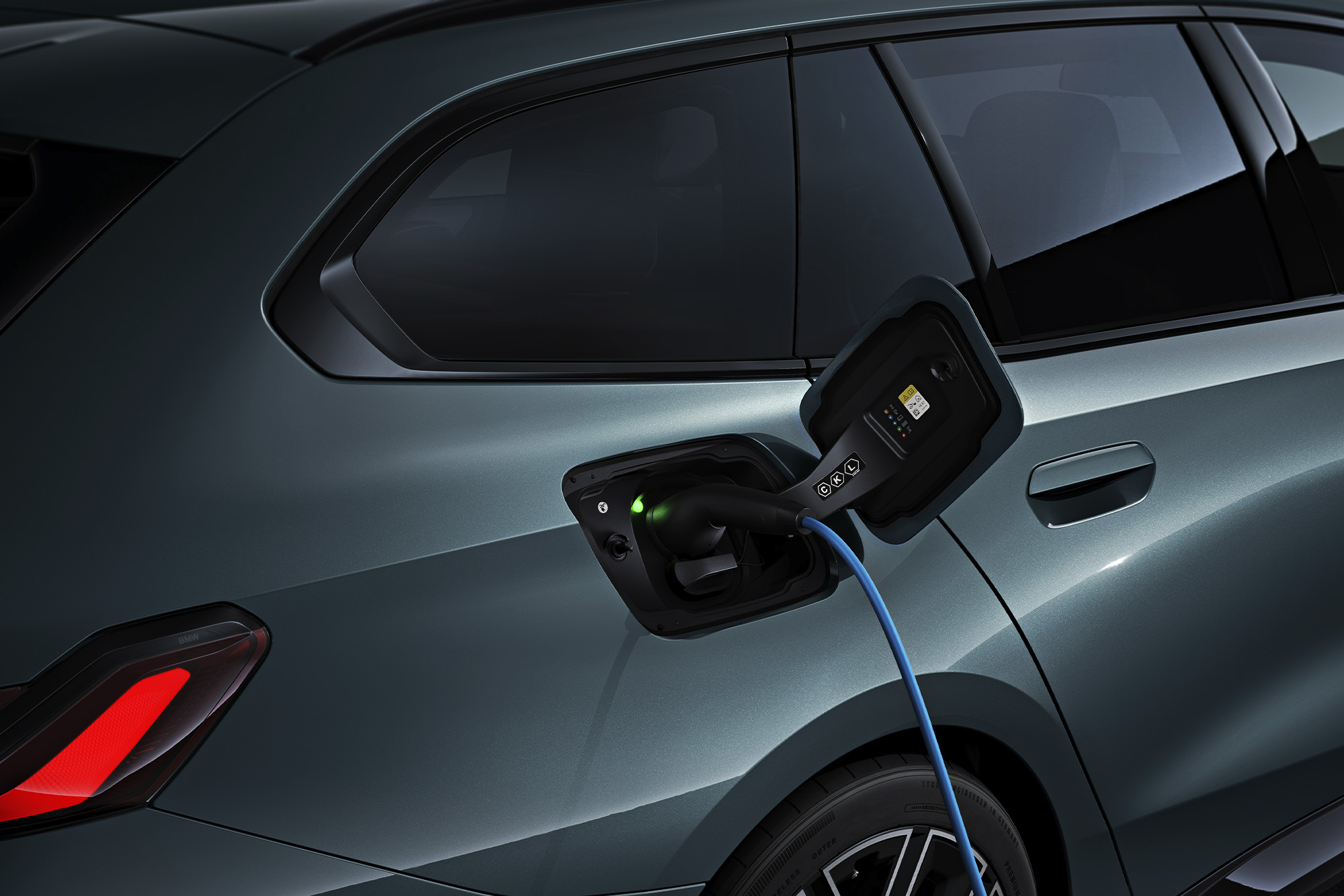
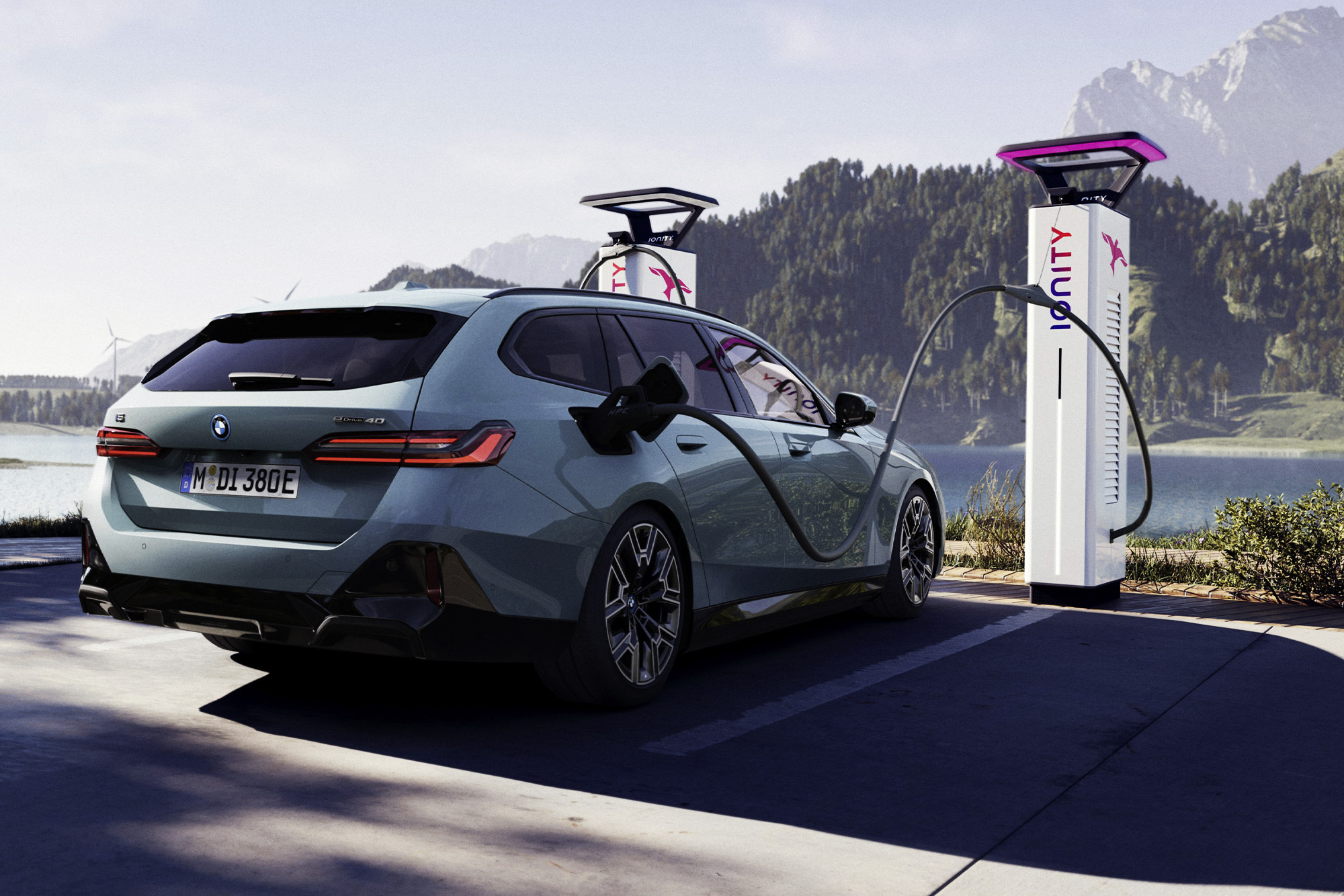
Dare to dream. Could this be the first electric station wagon in Canada? There’s no guarantee this one comes to our shores, but we hope it does. For one thing, we’ve got a soft spot for station wagons. For another, can you imagine a better jack of all trades family car? The i5 wagon looks even more handsome than the sedan.
Acura ZDX
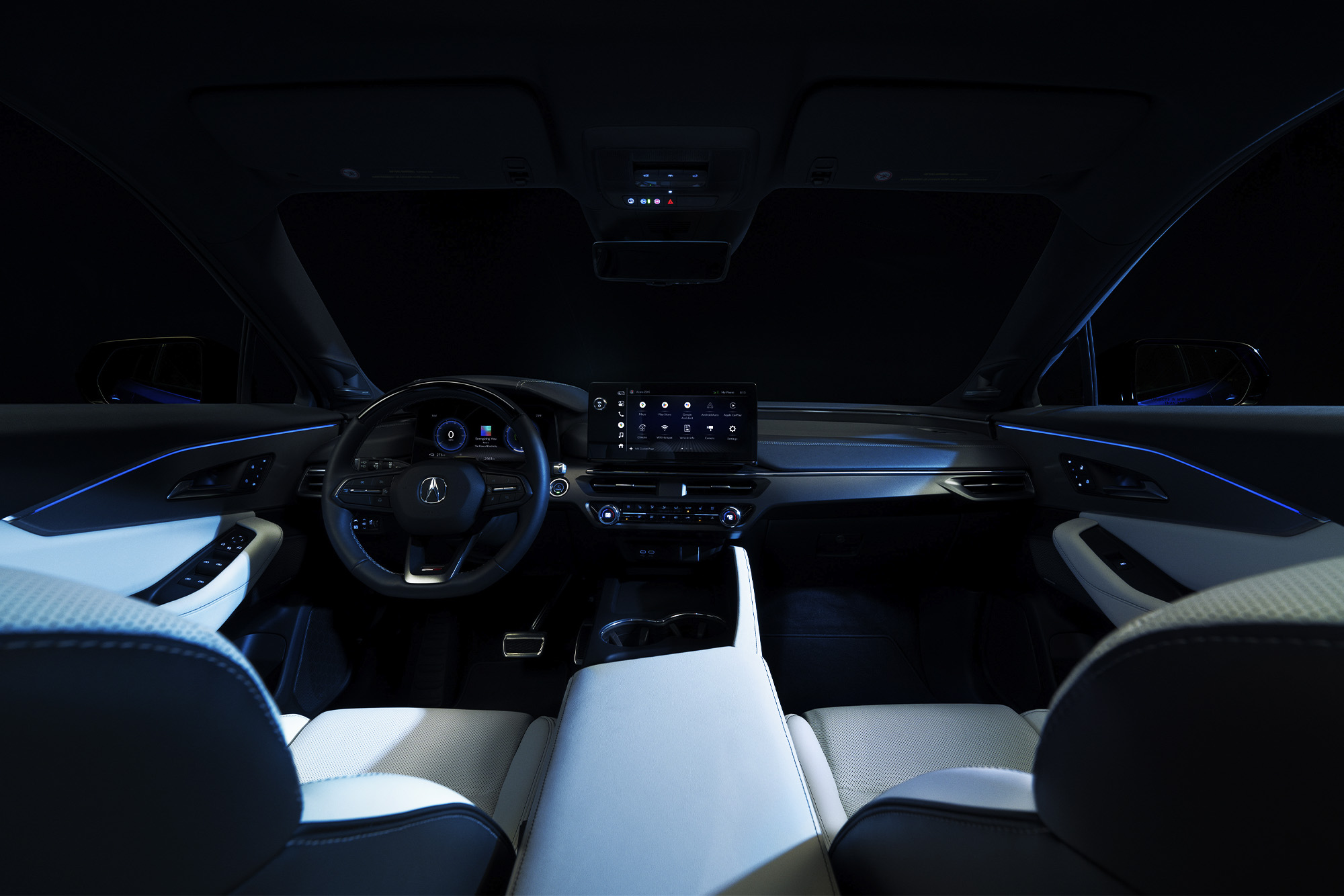
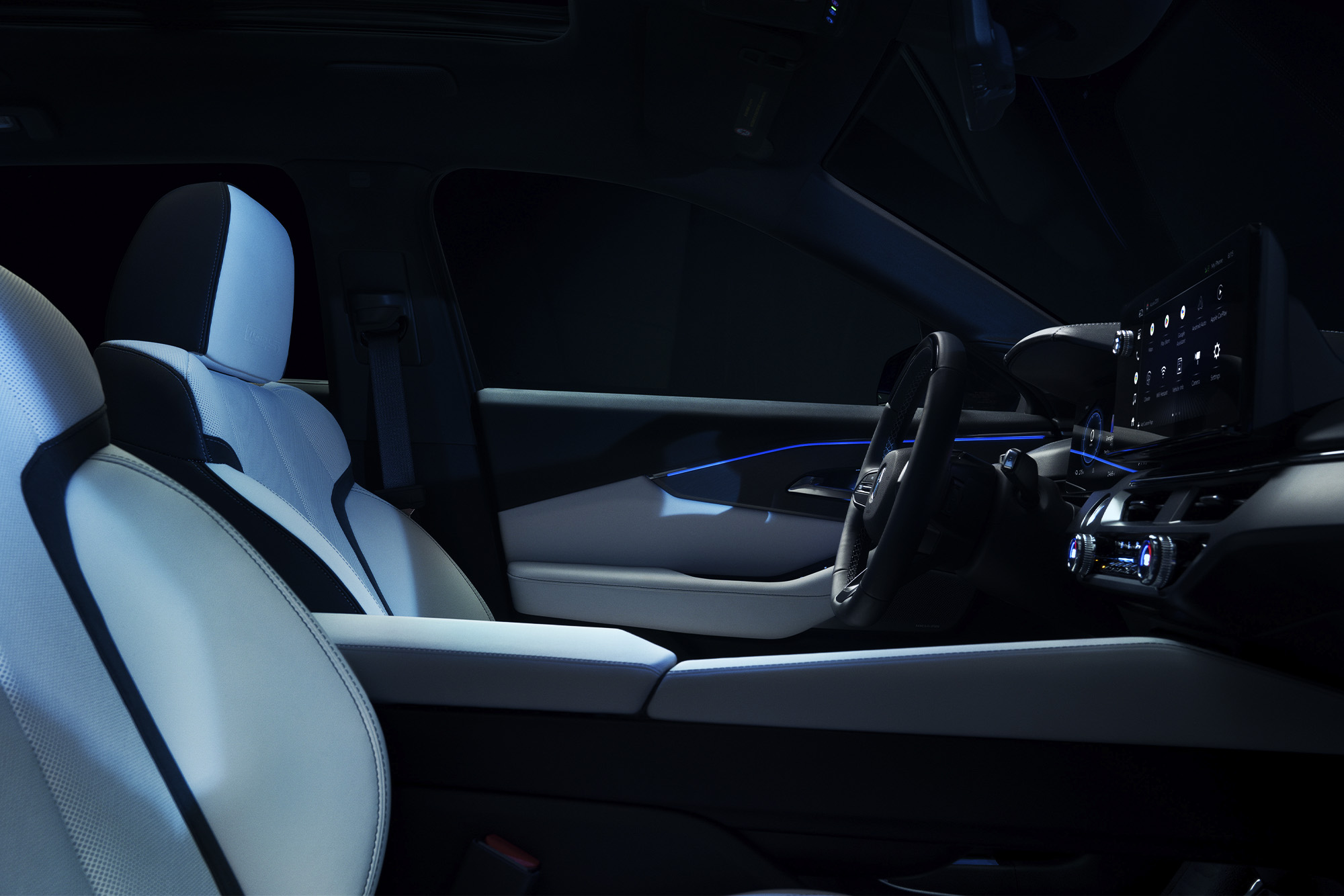
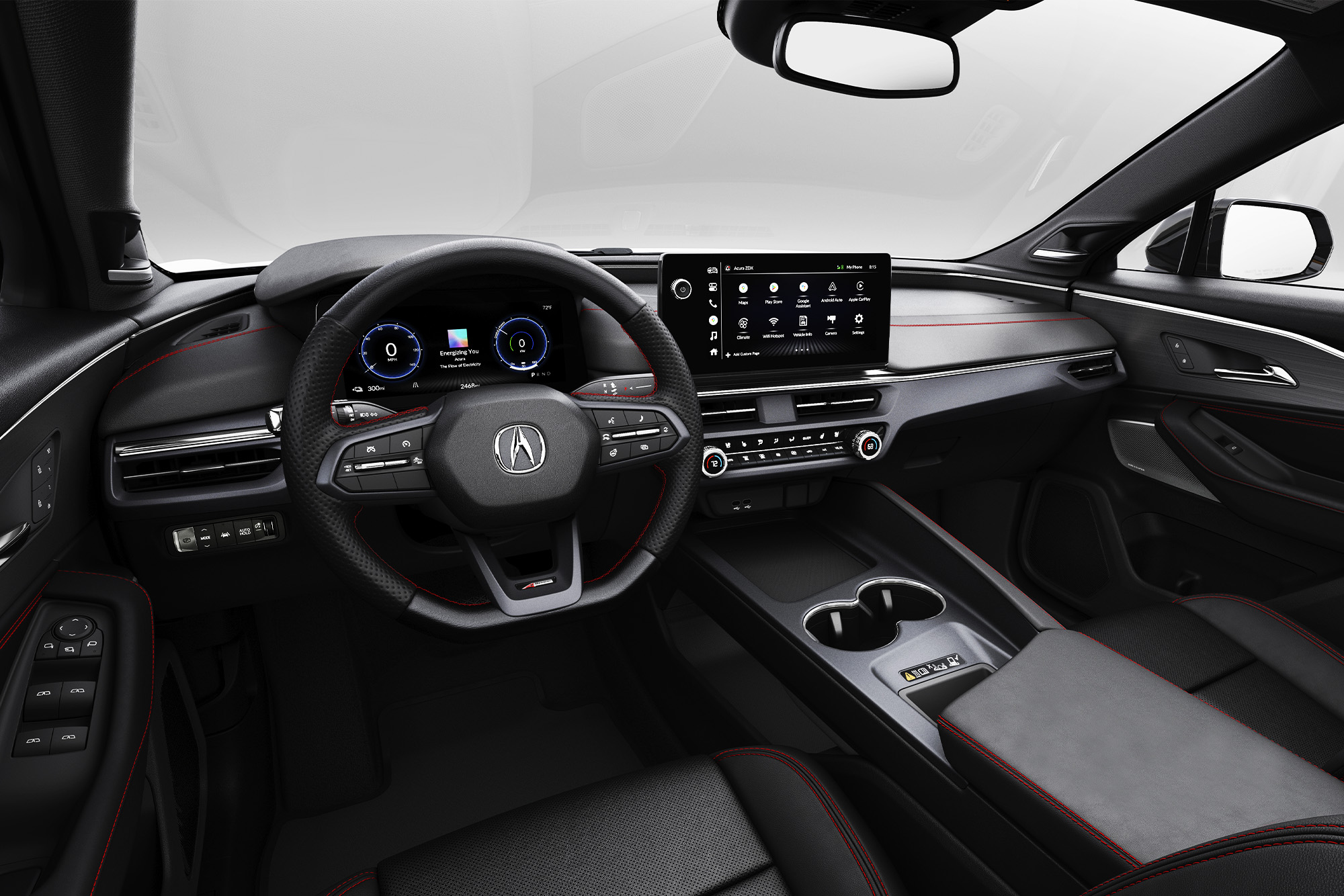
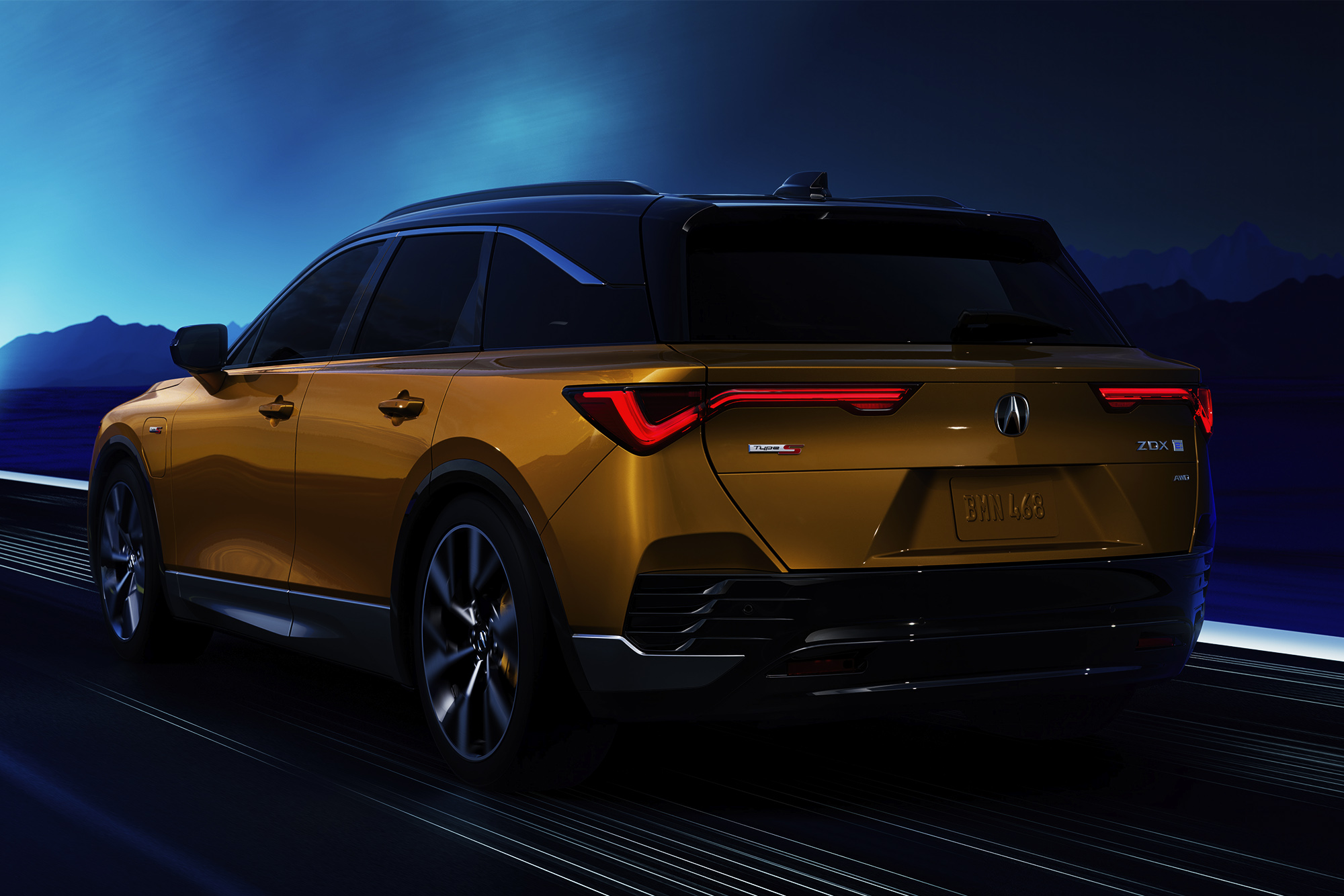
Acura ZDX
Acura ZDX
Acura ZDX
Acura ZDX
Acura ZDX
Acura ZDX
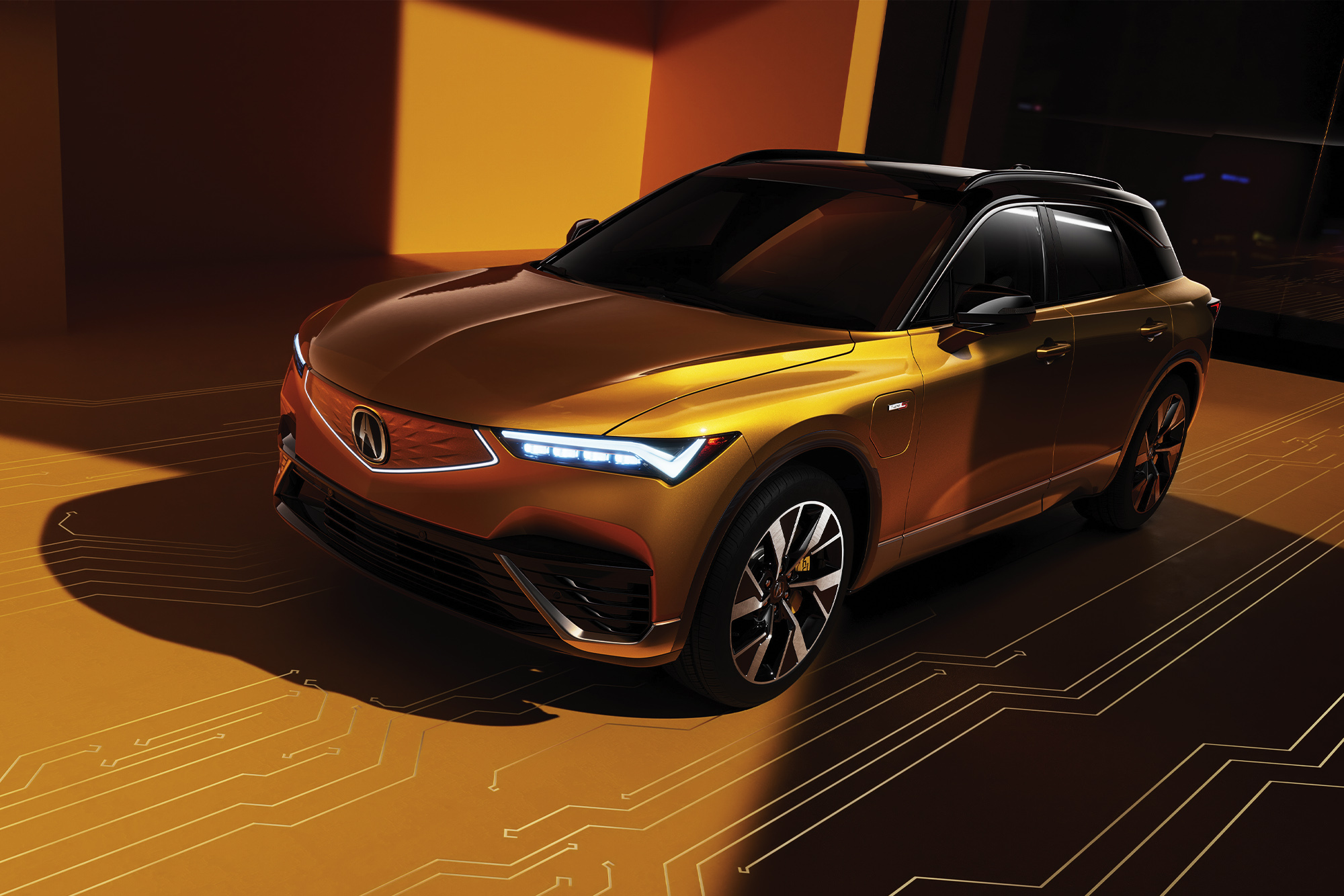
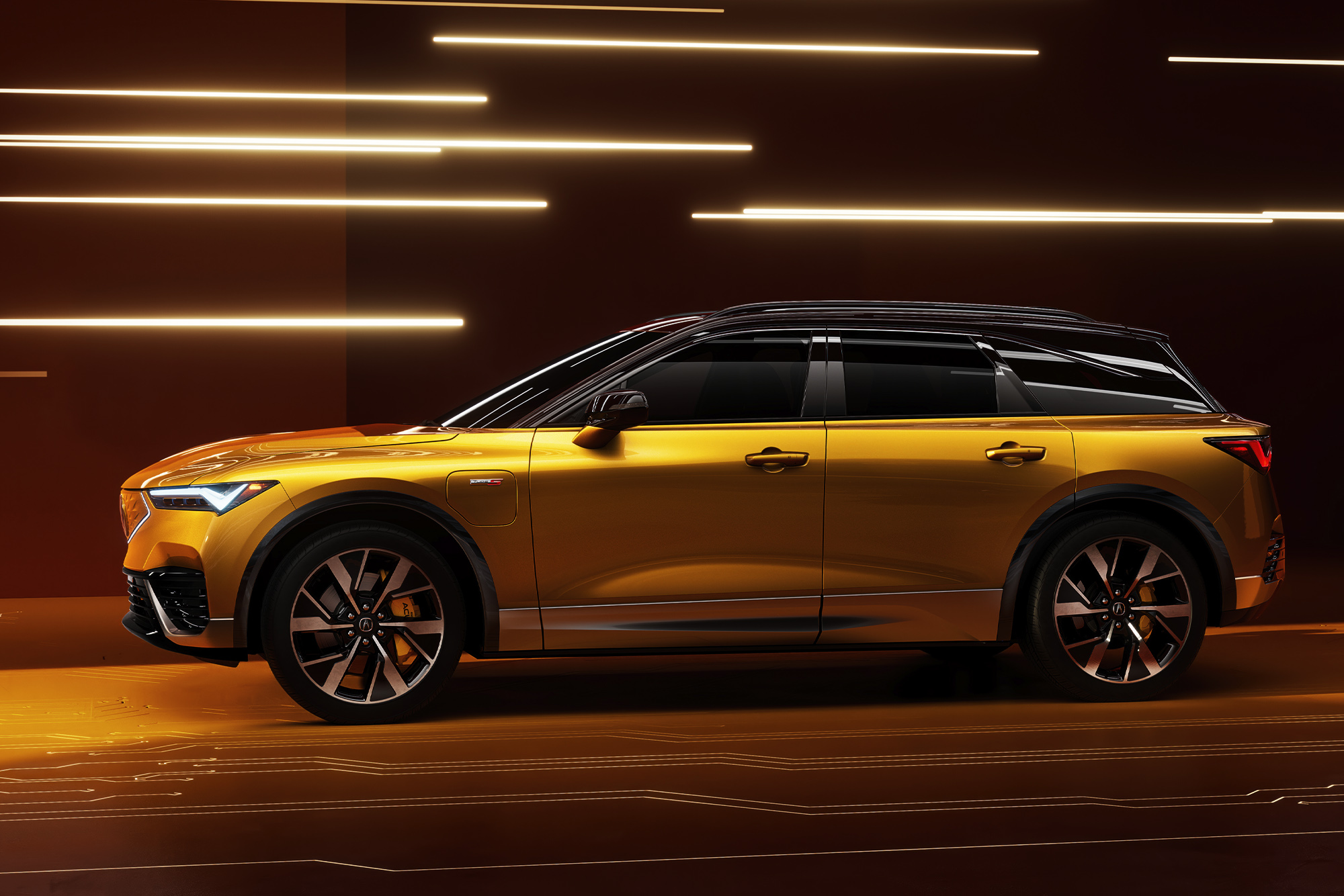
The first proper EV from Acura will arrive this spring, and it looks as though the brand has gone all-in on battery power. In top-spec Type S trim, it’ll have 500 hp and a price of around $90,000. “The all-new ZDX is just the beginning as we accelerate towards an exciting, electrified era based on our unwavering commitment to precision crafted performance,” says James Marchand, assistant vice president of Acura Canada.
Polestar 4
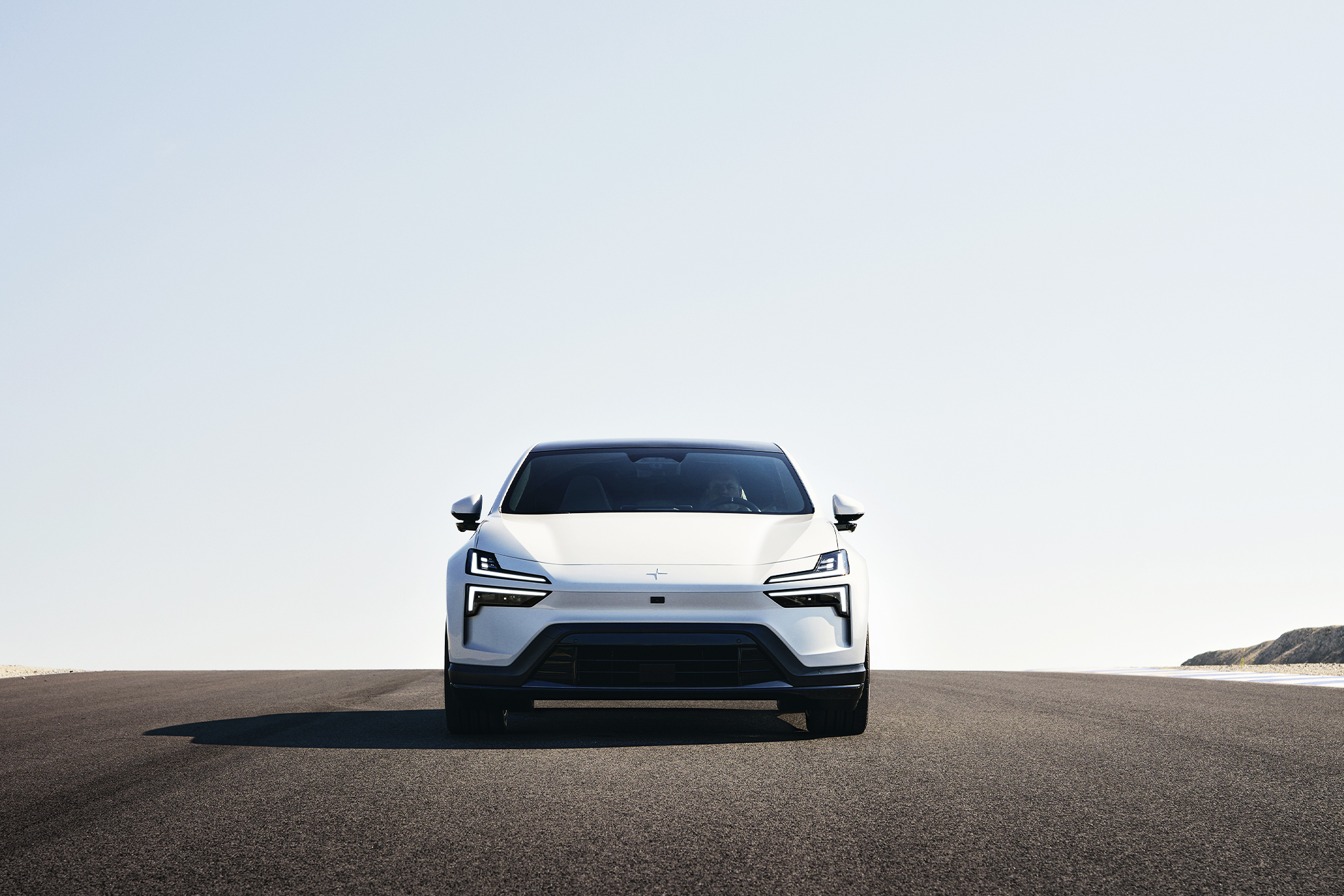
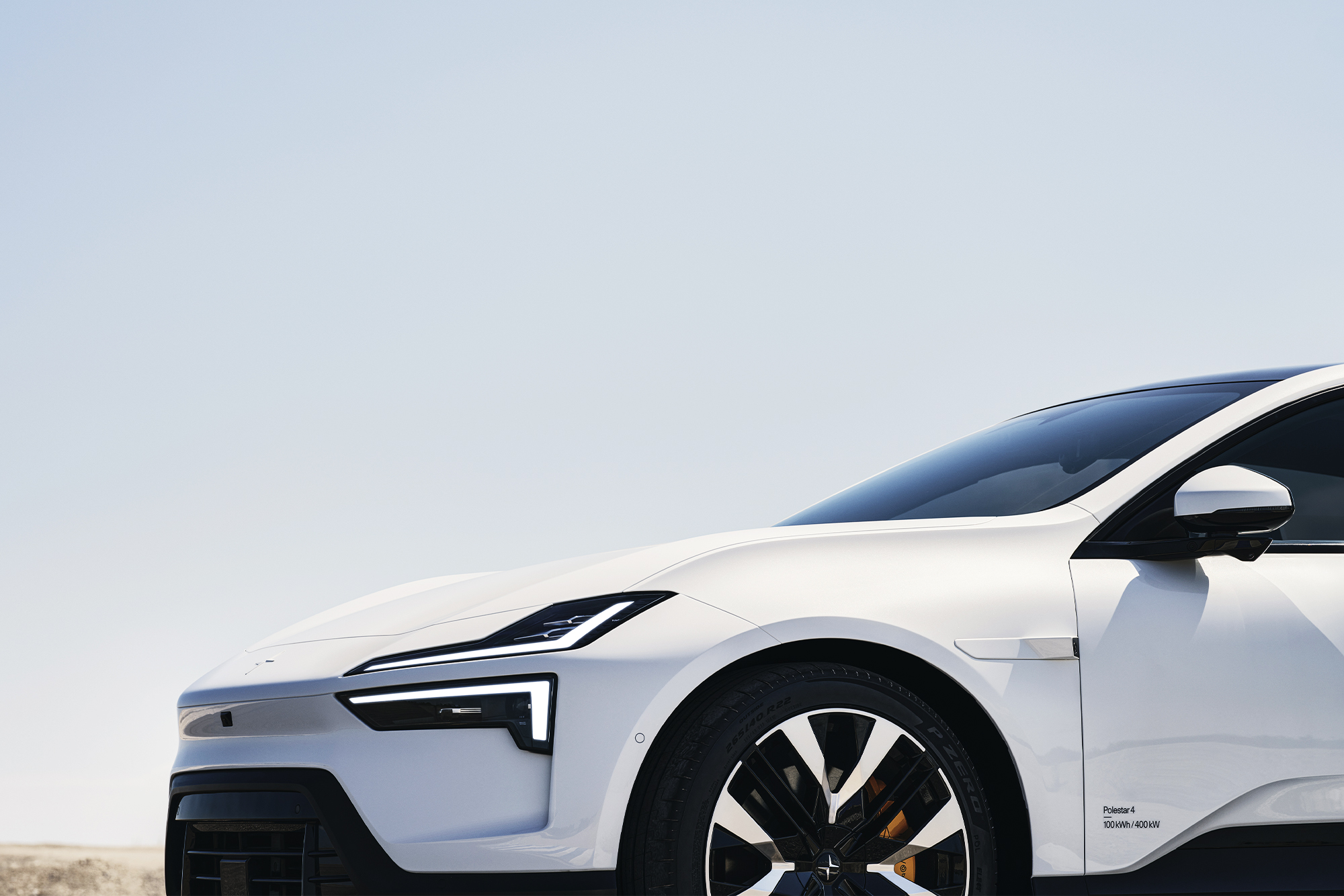
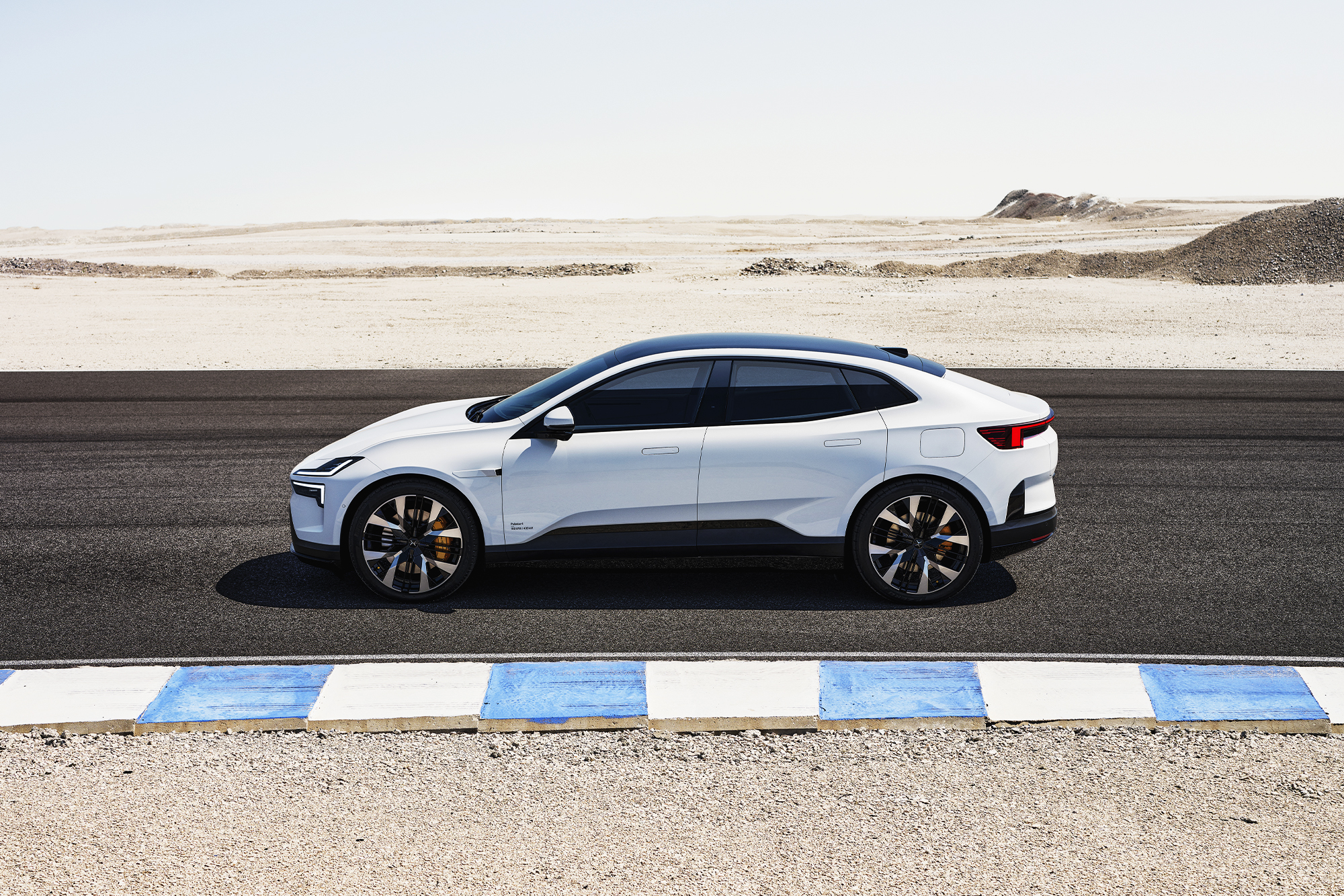
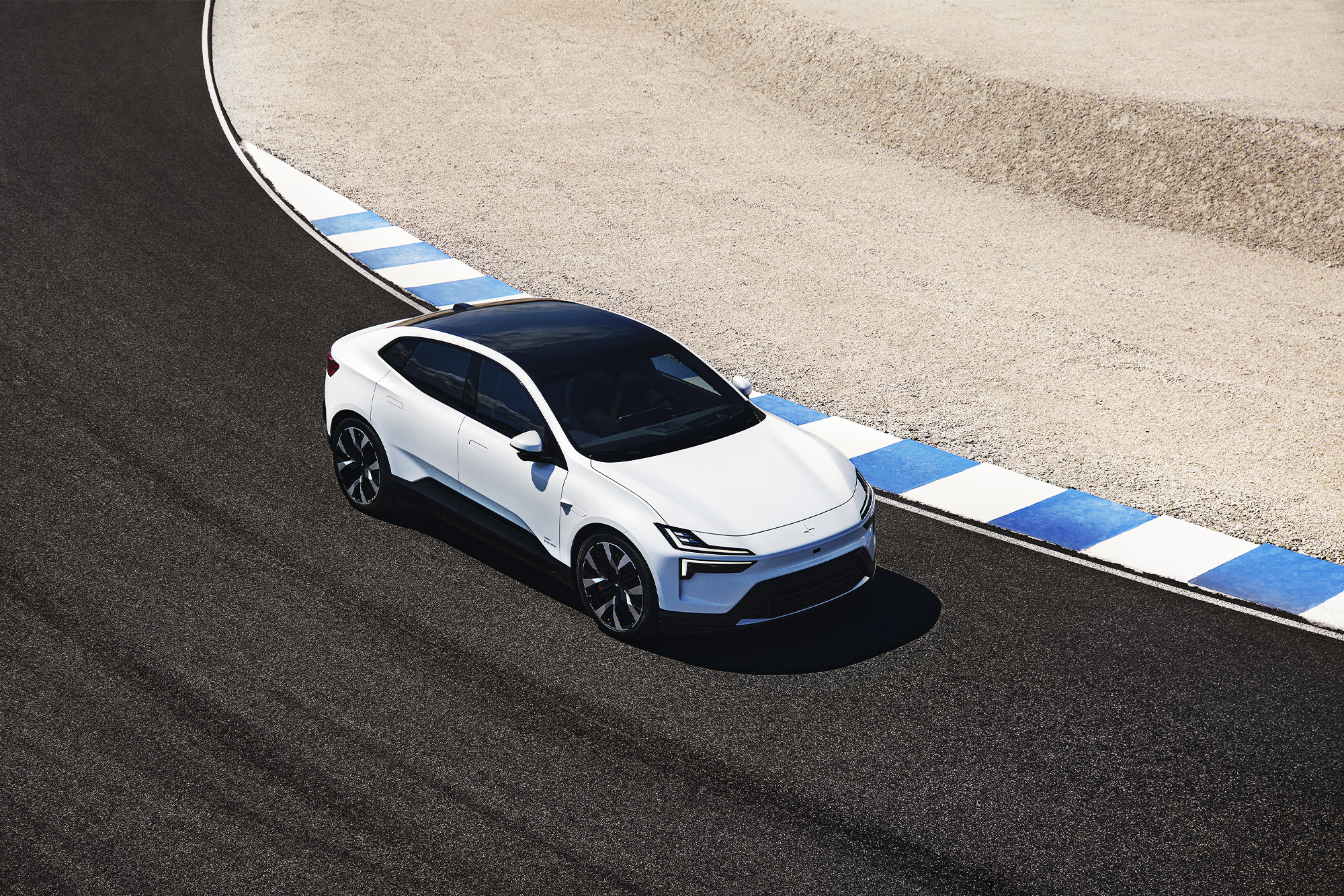
Polestar 4
Polestar 4
Polestar 4
Polestar 4
Polestar 4
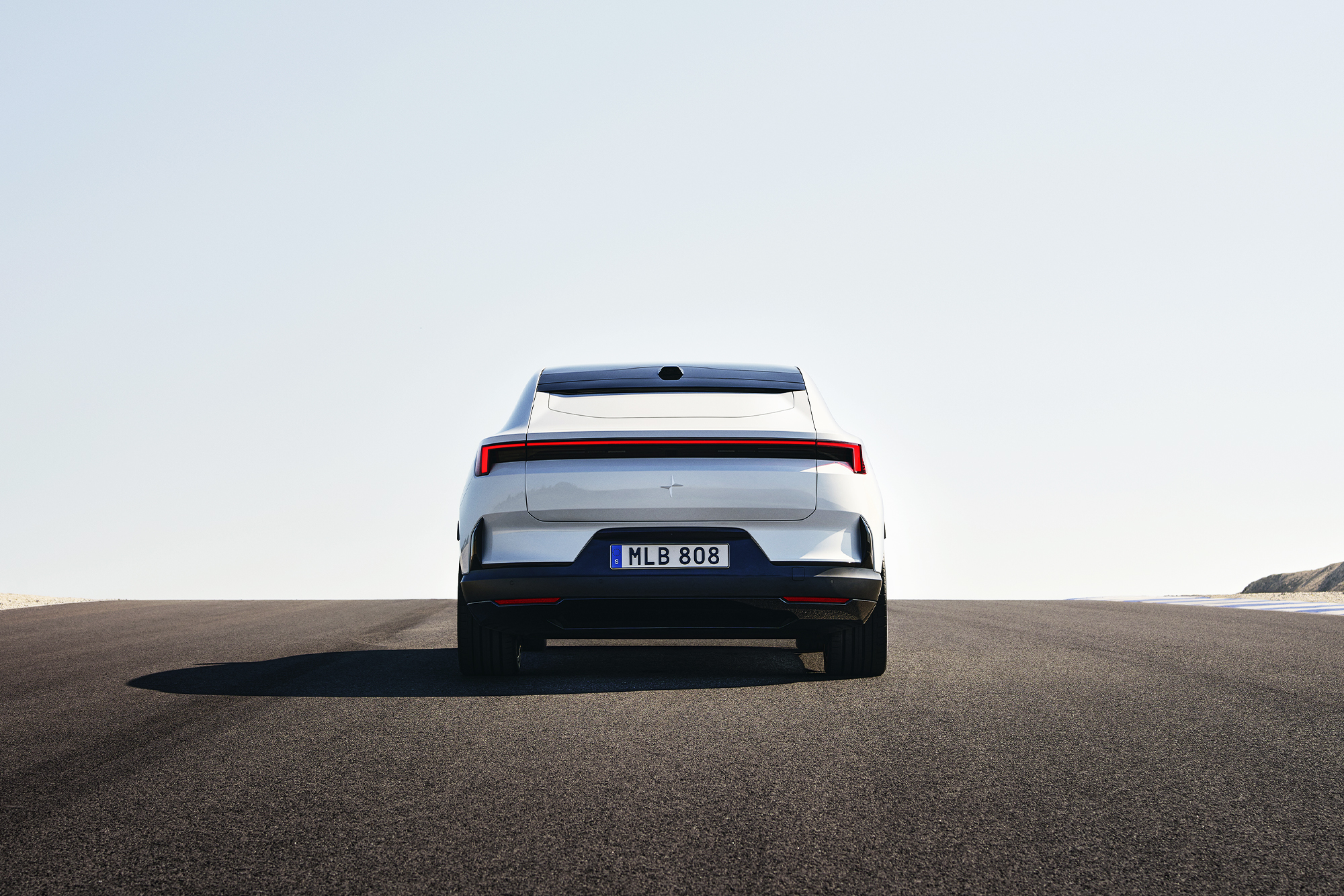
A car with no rear window — and the daring design touches don’t end there. Knit upholstery, an electrochromic roof, and an overall shape that’s entirely uncategorizable guarantee that this new machine will provoke questions wherever it goes. Starting at $64,900 and with nearly 500 kilometres of driving range, the newest by EV-master Polestar offers a lot to like.
Lucid Air Sapphire
Learn More
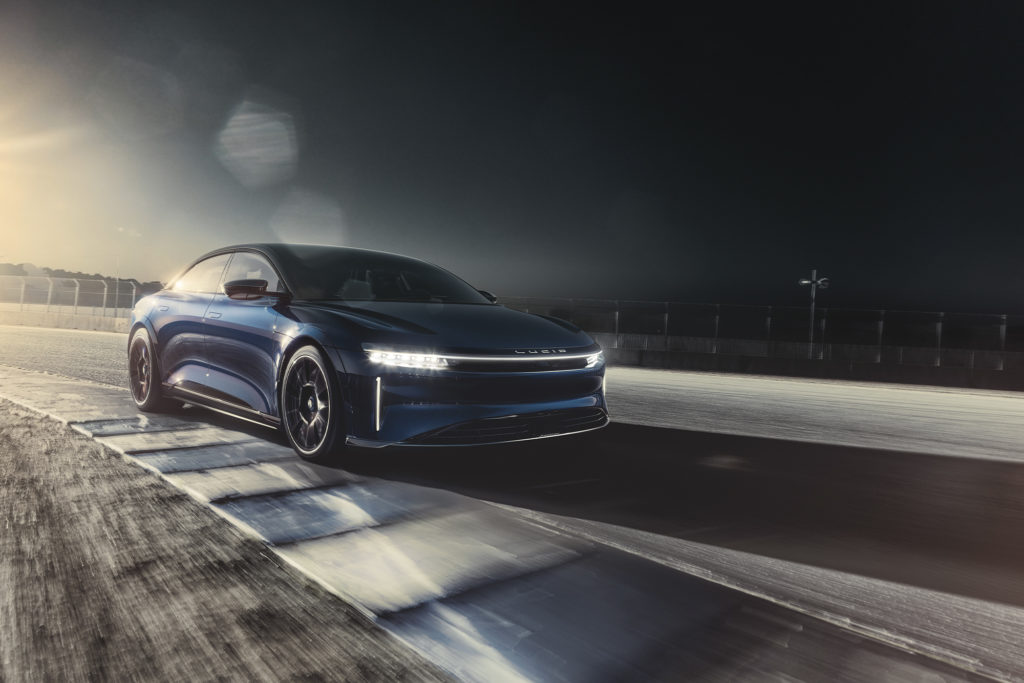
The new Sapphire sub-brand aspires to be for Lucid Motors what M is to BMW, or AMG is to Mercedes. The Air is already a spectacular sedan, but the limited-edition Sapphire model adds a three-motor powertrain, producing over 1,200 hp and — more importantly — a track-capable chassis to match. It’ll cost $325,000, and the first deliveries are expected next year.
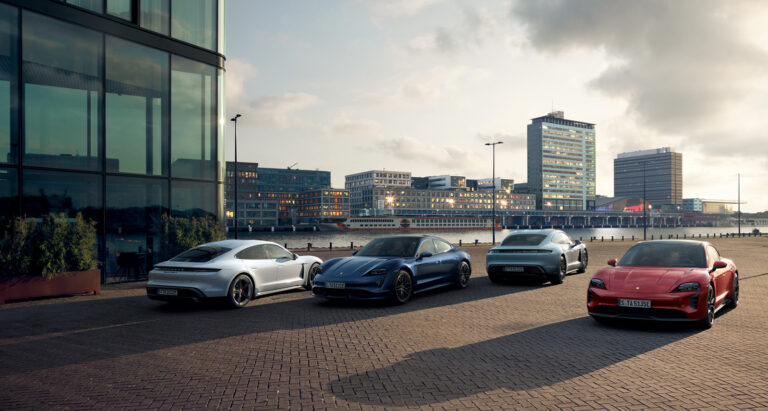
Porsche Taycan
The Porsche of EVs

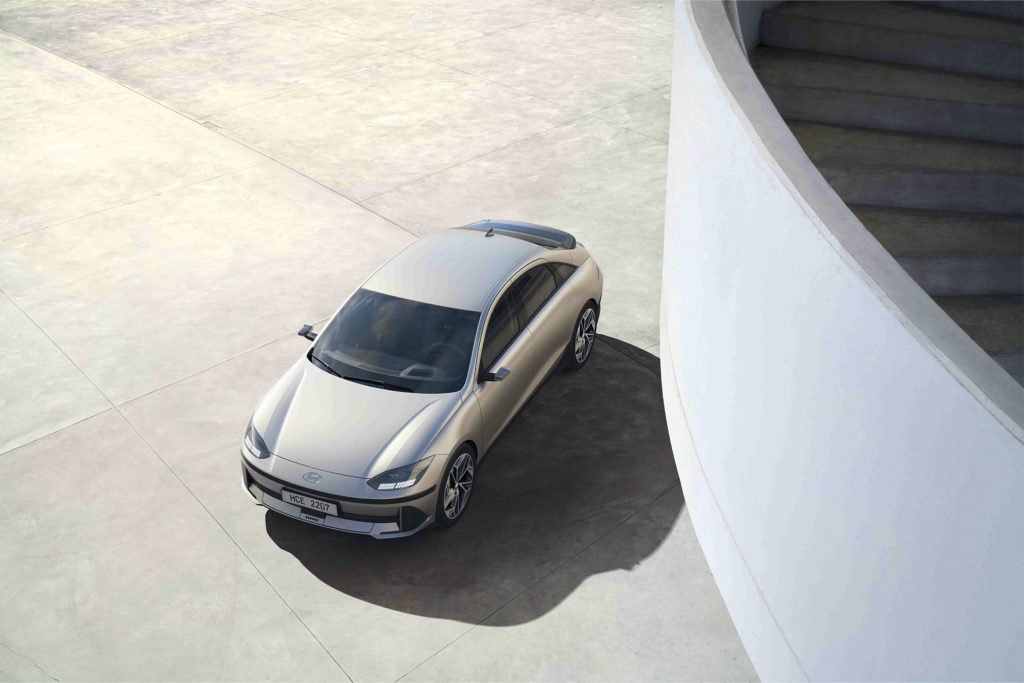
Hyundai Ioniq 6
Learn More
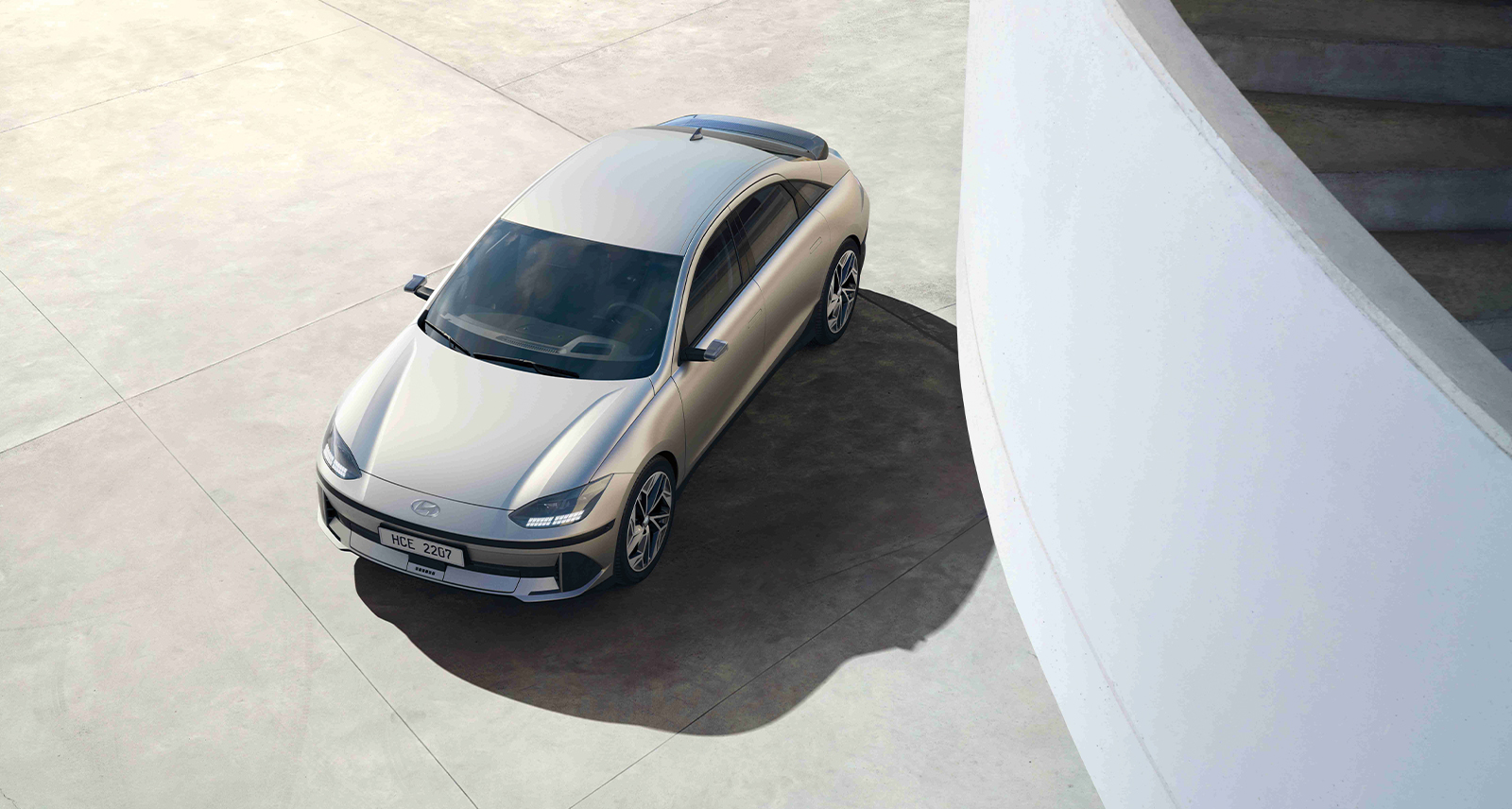
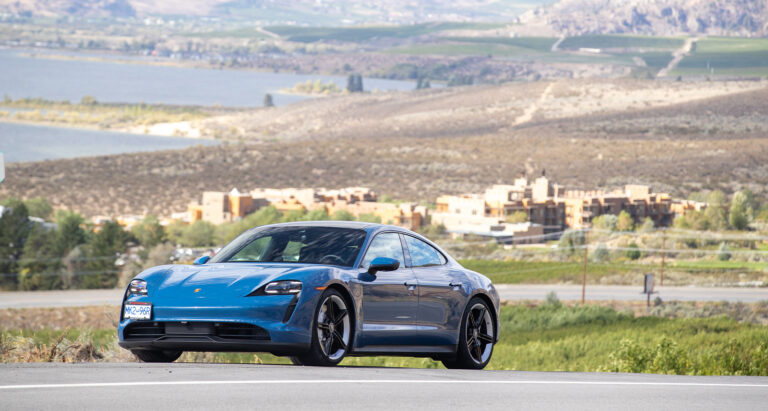
Normally we wouldn’t be too bothered about a new Hyundai, but the Ioniq 5 was one of the most enjoyable EVs we’ve ever driven. Naturally, we’ve got high hopes for the follow- up. The 6’s unusual, aerodynamically slippery design means it should have even more driving range than the 5.
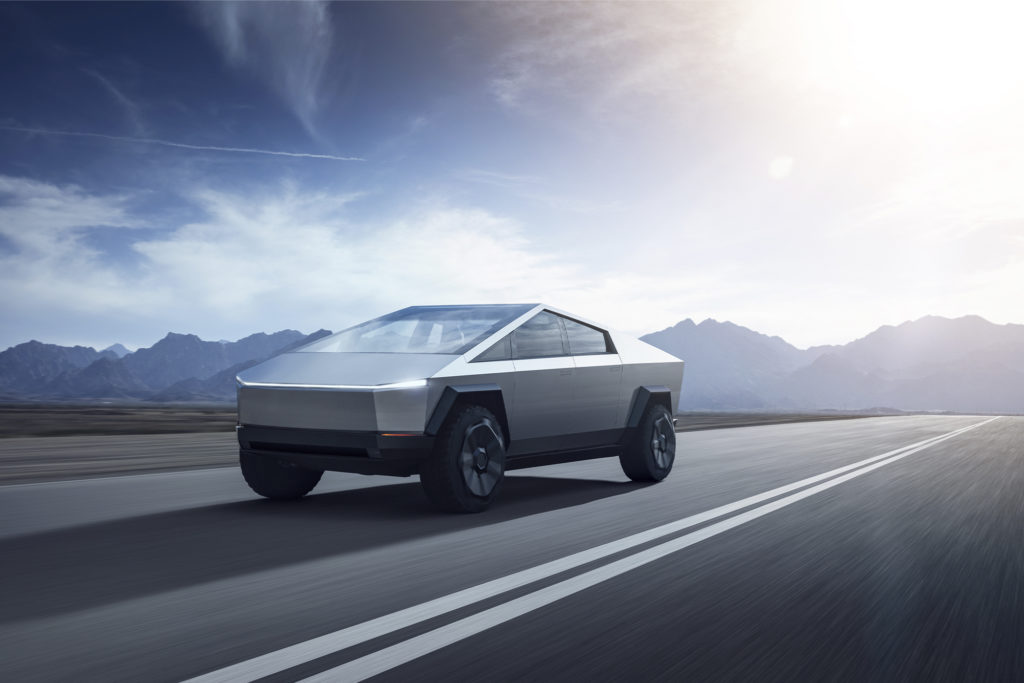
Tesla Cybertruck
Learn More
Just like everyone else, we’re wondering when (if?) this much-hyped behemoth will actually hit the road. Tesla hasn’t been having the best of times since Musk shifted his energy, focus, and remaining flecks of sanity towards imploding Twitter, and one has to wonder how much all of that will impact the future viability of the once beloved EV brand.
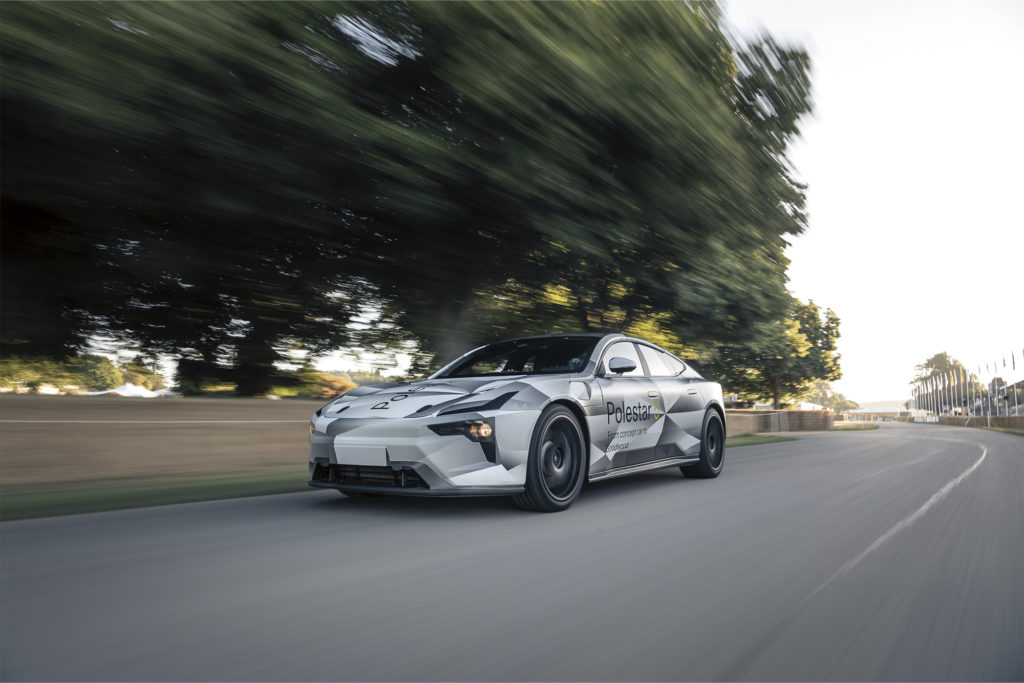
Polestar 5
Learn More
Earlier this year, the young Swedish EV brand ran the Polestar 5 up the hill at the Goodwood Festival of Speed. We have high hopes for this next-gen fastback, which is slated to launch in 2024. The company’s head of R & D said the 5 will bring “lightweight, high-rigidity sports car chassis technology into mass production.” It’ll be powered by a new all-electric drivetrain, cranking out up to 884 hp.
Polestar 3
Learn More
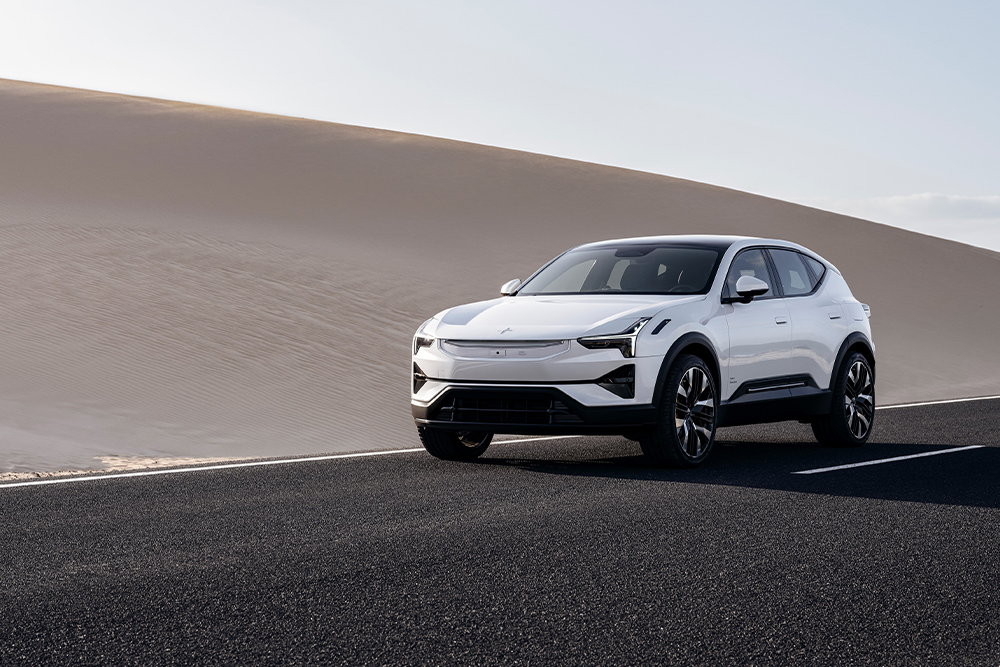
Polestar’s had an absolute blockbuster year, with booming sales, spicy concept cars, its first Super Bowl ad, and an IPO. For drivers, however, the big news is this: the brand’s first SUV is coming in 2023. Not only will it have a WLTP-rated range of over 600 km, it’ll also offer an “autonomous highway piloting” feature, enabled by LiDAR (radar, but with laser beams). “With this car, we bring the ‘sport’ back to the SUV, staying true to our performance roots,” explains Polestar CEO Thomas Ingenlath.
Porsche Mission R
Learn More
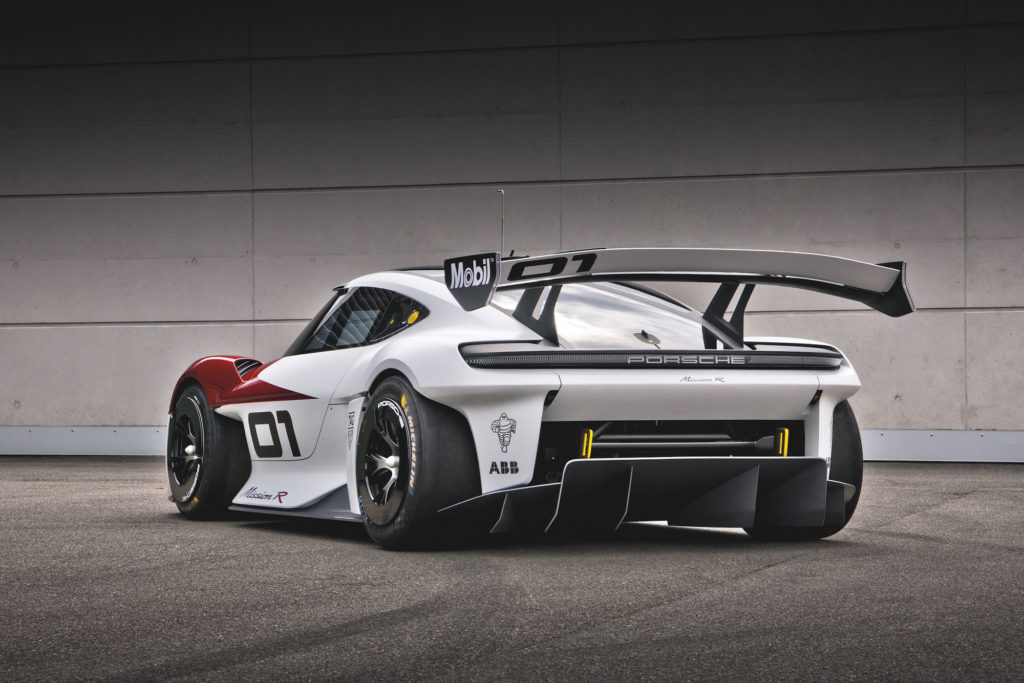
When it was presented at last year’s Munich auto show, it was pretty clear to everyone in attendance that this concept is an early look at an all-electric successor to the Porsche 718. Not since the OG Tesla Roadster has any brand tried to make a small, light, electric sports car. We’re imagining an even more nimble Taycan, with more handling finesse and feel. This could be the change the sports car world needs right now.
Mercedes-AMG EQE 53
Learn More
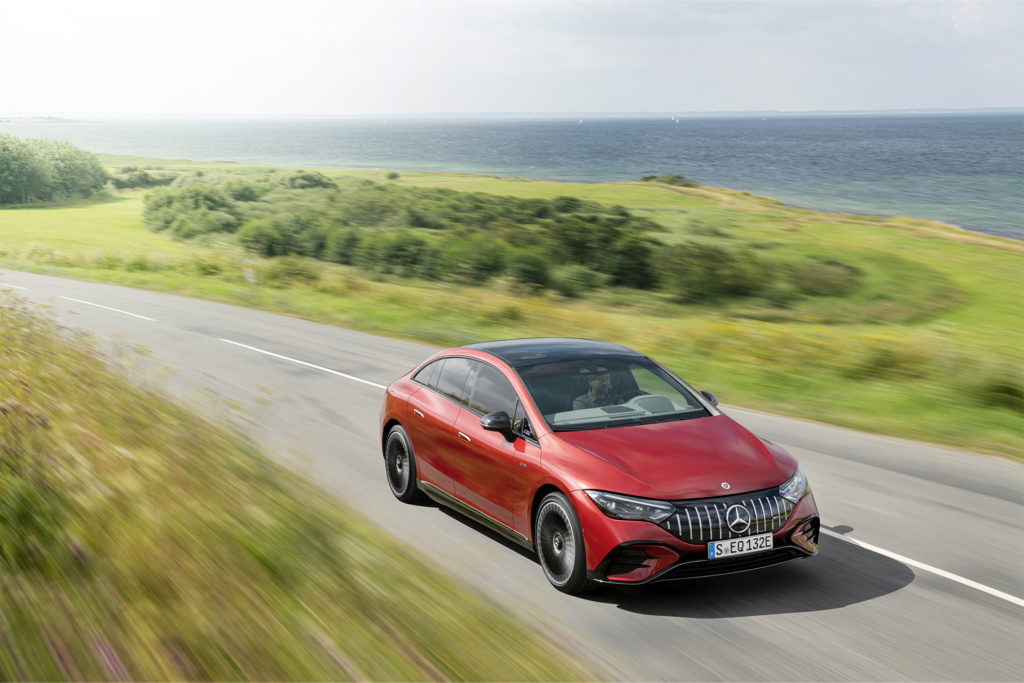
New EVs from Mercedes are coming thick and fast these days, and it can be hard to keep up, but we got you. The AMG EQE 53 4Matic+ will be Benz’s most performance-oriented EV when it goes on sale in Canada towards the end of 2022. It’s a dual-motor sedan, with 677 horsepower, and a (WLTP-estimated) range of around 500 km. Think of it as an electric alternative to the fuel-burning E53 AMG. If you’re looking for a fast EV with a little more cabin space, AMG also has a high-power version of the full-size EQS sedan in the works too.
Lexus RZ
Learn More
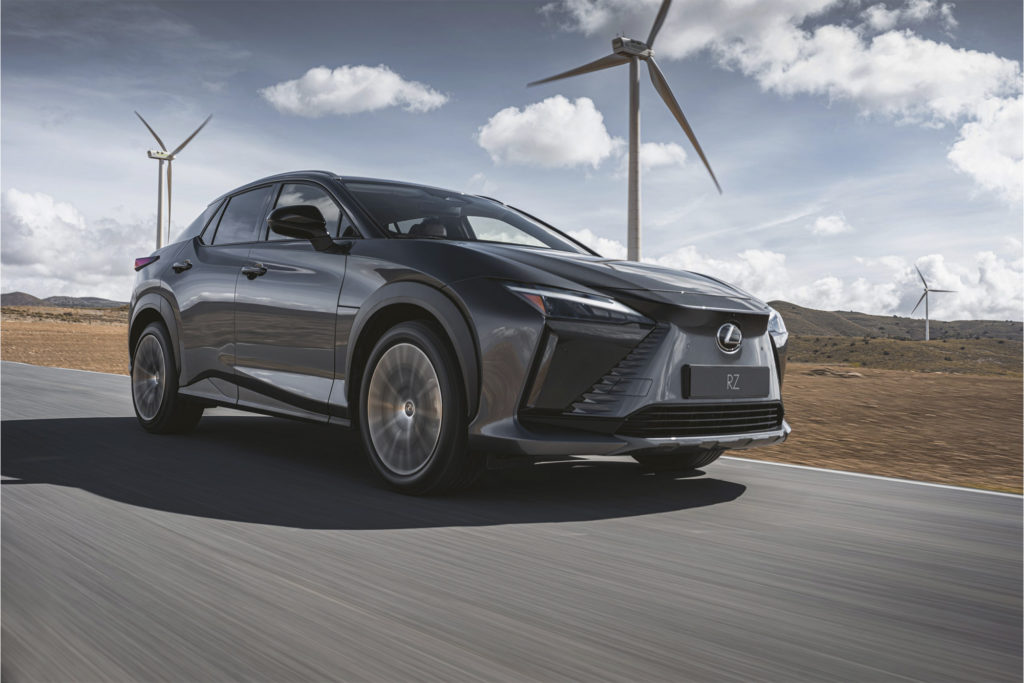
Lexus has been making hybrids since 2005, but it has yet to make a purely battery-powered car. The 2023 Lexus RZ 450e will fix that, spearheading the brand’s EV push. The company is estimating range at 362 kilometres, which won’t grab headlines, but the RZ should impress in other ways, namely the rock-solid quality and stellar customer service Lexus is known for.
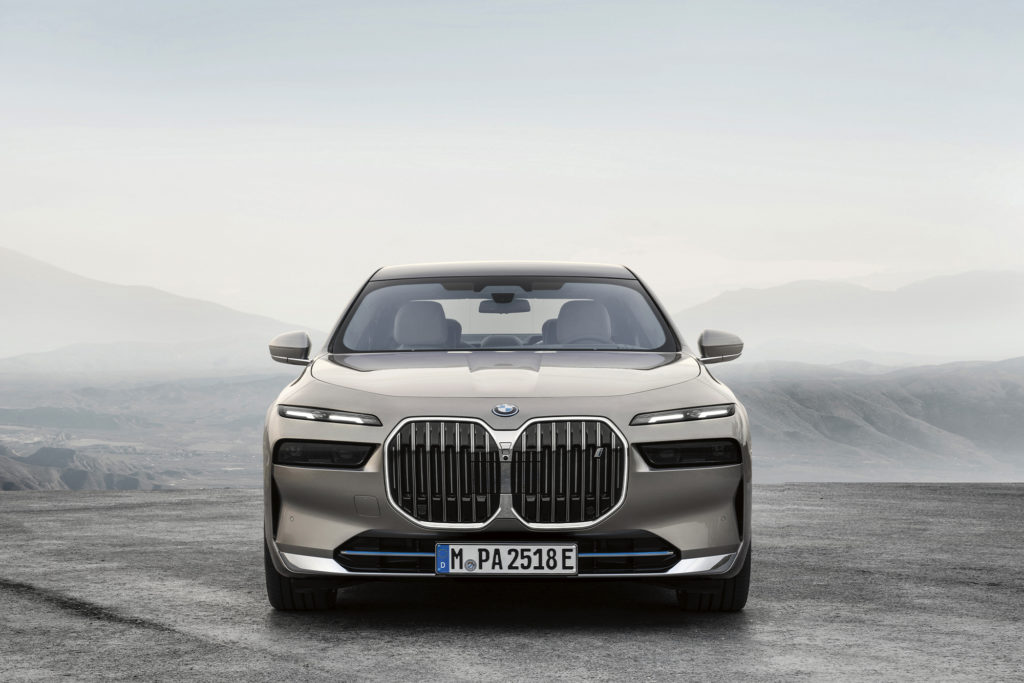
BMW i7
Learn More
The 7 Series has been BMW’s flagship for 45 years, and always an obvious choice for chancellors and CEOs, but there’s never been an electric one. Not until now. The i7 promises around 500 km of EPA-rated range, and ushers in a radical new look for the brand’s flagship. Plus, it’s stuffed with all the luxury and tech features BMW knows how to cram into a car, including heated armrests, a level 3 driving assist, and a giant 31-inch panoramic screen that drops down from the roof to entertain rear-seat passengers.
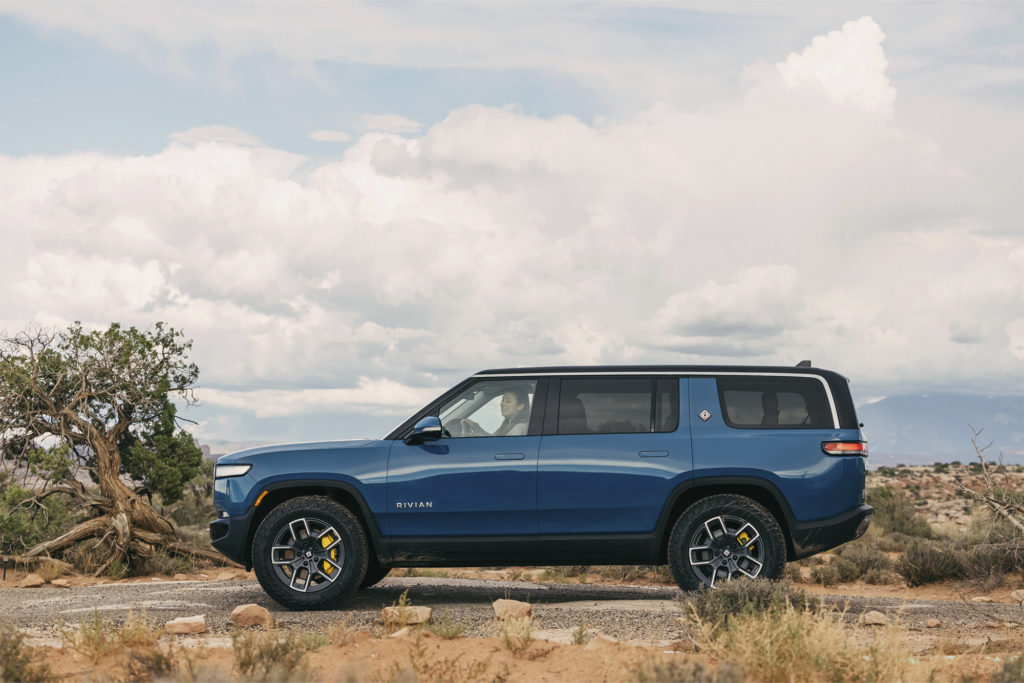
Rivian R1S
Learn More
The launch of Rivian’s first model — the R1T pickup — got off to a rocky start. Production has been slow, and supply chain issues certainly haven’t helped, so most of the 90,000 people who reserved a Rivian are still waiting. Deliveries of the R1S SUV should have started in the U.S. by the time you read this, so we’d guess Canadian deliveries will finally happen in 2023. Based on everything we know, it should be well worth the wait.
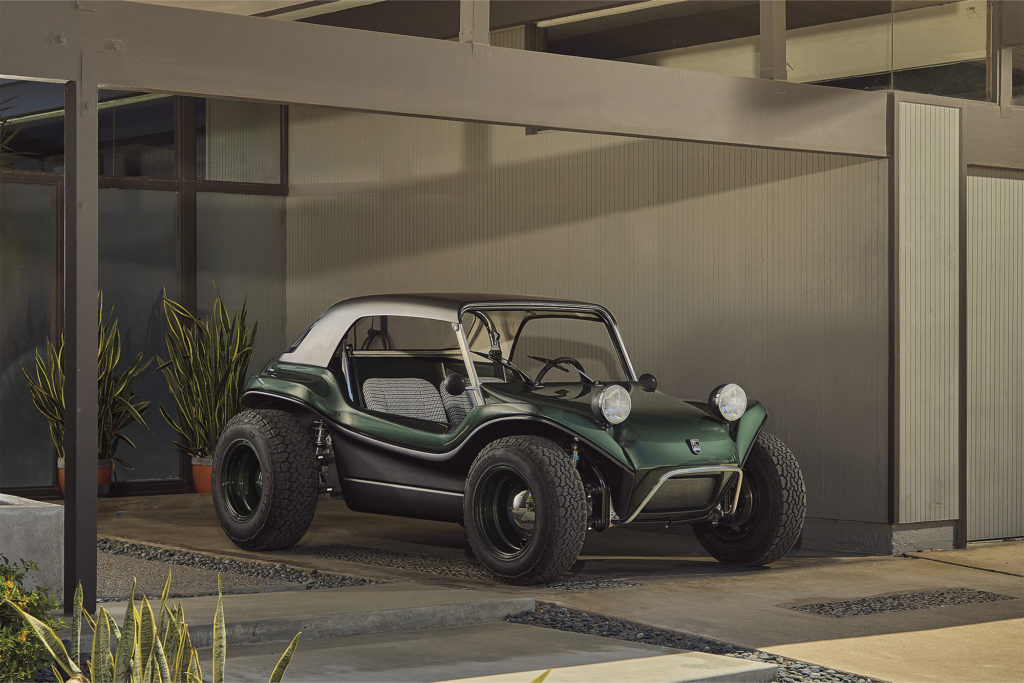
Meyers Manx 2.0
Learn More
In its heyday, throughout the 1960s and ’70s, the original Manx dune buggies were driven by everyone from Elvis to Steve McQueen, and raced to victory in the inaugural Mexican 1000 rally. The new Manx 2.0 looks nearly identical, except it’s all-electric. It’ll be assembled in California; the first customers slated to get their buggies in 2023.
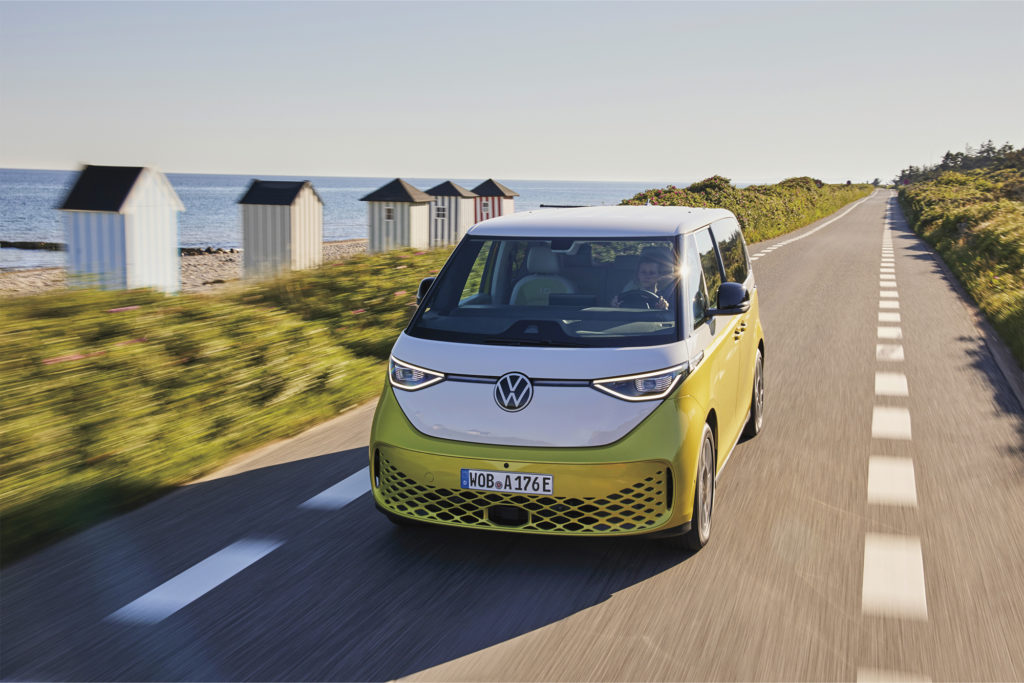
Volkswagen ID.Buzz
Learn More
The hype for this one is huge. VW is bringing back the iconic Bus as an EV with a silly name. The ID. Buzz will arrive in Canada in 2024, with three rows of seats and your choice of rear- or allwheel drive. Pre-orders start in 2023, and you’d be wise to get yours in early.
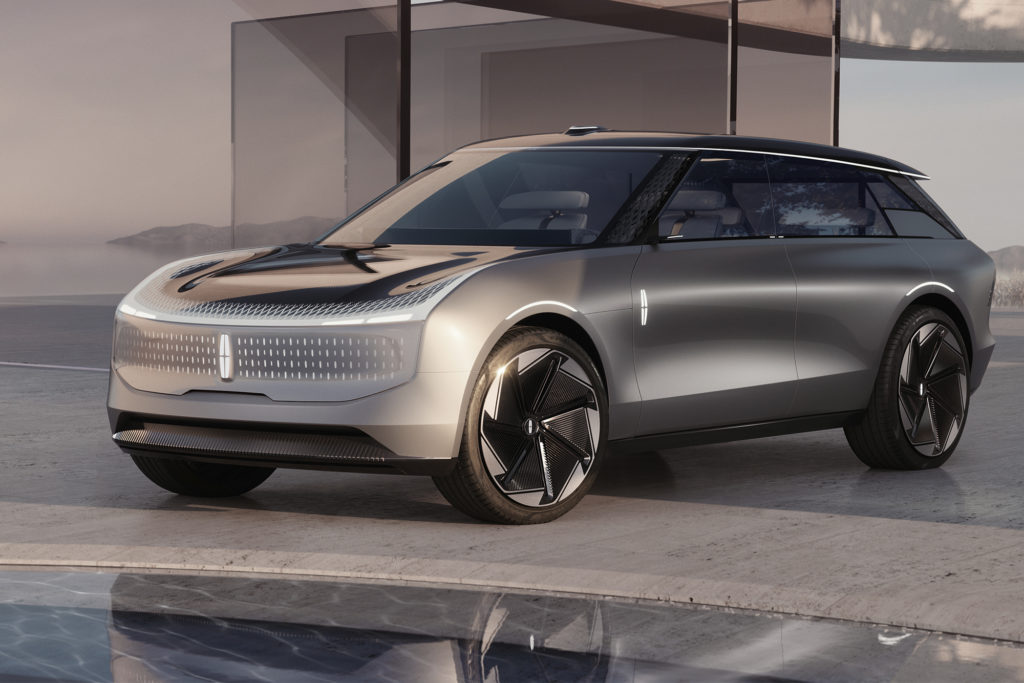
Lincoln Star
Learn More
Lincoln doesn’t yet have an EV on sale, but that’ll change quickly if the brand follows through on its promise to deliver three new all-electric models by 2025. One of them will likely look a lot like the Lincoln Star concept, unveiled earlier this year. The company didn’t release any details, but the design is certainly elegant.
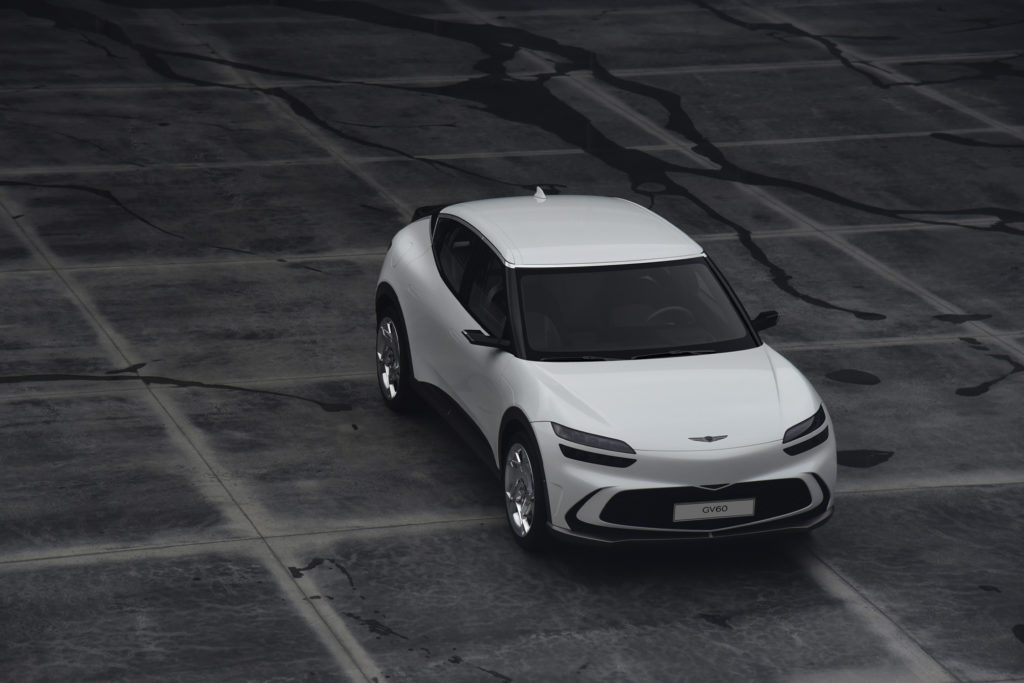
Genesis GV60
Learn More
Genesis’s first full EV is also likely to be its most successful. Perfectly sized to compete with the likes of Porsche’s Macan and Tesla’s Model Y, the GV60 is a 430 hp rocket that doesn’t skimp on luxury or features. Building on Genesis’s reputation for opulent interior finishing, the GV60 comes to market with some exclusive tech in the form of facial recognition and fingerprint identification for unlocking the car. Raising the bar even further is the crystal sphere that rotates out of the centre console to serve as a drive selector. As if that wasn’t enough, “boost” mode allows for up to 483 hp, providing scintillating sub-four-second runs to 100 km/h.
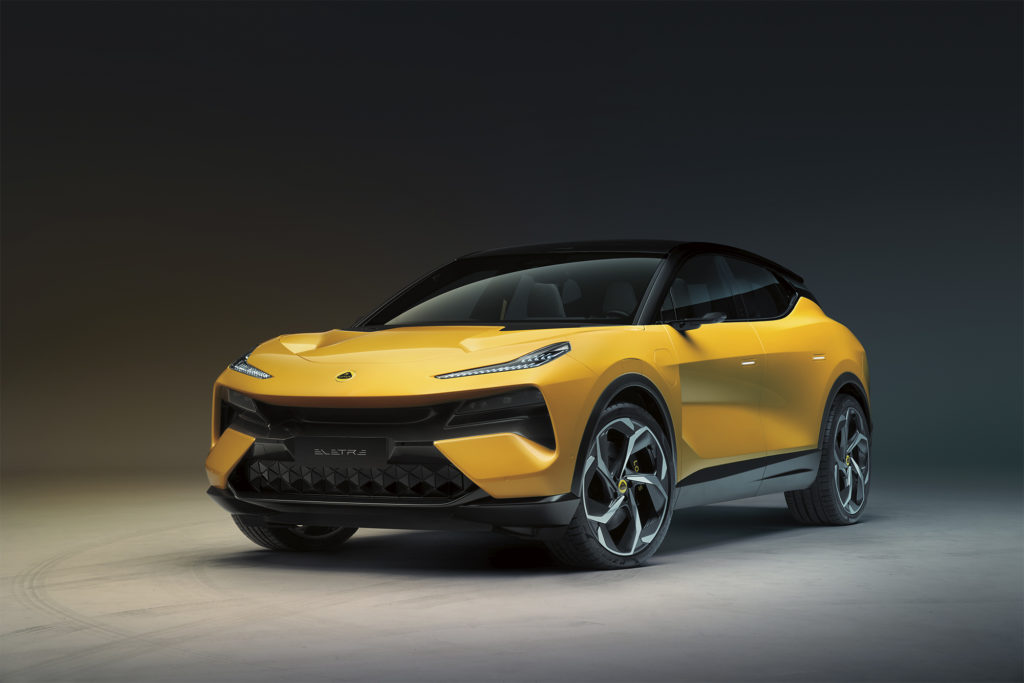
Lotus Eletre
Learn More
Colin Chapman, company founder and fervent proponent of ultra-light sports cars, would roll in his grave if he could see this. Lotus is calling the Eletre a “hyper-SUV,” and it’s the first of three new “lifestyle EVs” from the brand, which is now owned by Chinese giant Geely. Whatever, for Lotus’s sake, we’re just hoping the Eletre is good.