For those who tuned in to the Summer House reunion last month, one thing was for certain: we love a good roast. Ciara Miller came prepared to roast her best friend-turned-enemy, Amanda Batula. She was firing insults without any stutters (and rightfully so after she went for Miller’s ex, West Wilson). It was not only entertaining, but it also had viewers unable to wait and hear what Miller had to say next. And with jaw-dropping comments coming one after another, it’s no surprise the reunion went viral overnight.
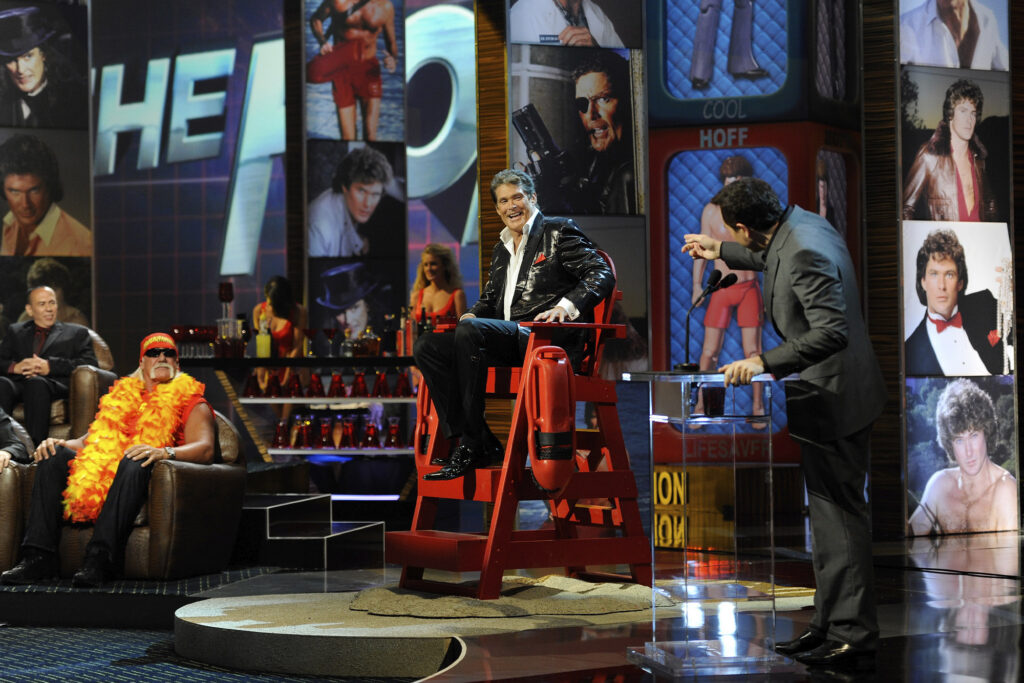
In a celebrity roast, there’s always a subject that’s hit with insults, mockery, and harsh jokes. Although roasts are usually delivered with an air of comedy and not taken too seriously, in Batuala’s case, that wasn’t the intention. Miller meant every word. While that was loosely a roast, there are more traditional structures, like the blueprint of the 1970s show The Dean Martin Celebrity Roast, which helped transform roasts into a mainstream form of comedy. It “celebrated” its high-profile subjects while also poking fun at them.
But what is it that makes a celebrity roast so enticing to watch? Is it because celebrities, whom we view as perfect and having it all, are being burned to the ground with the words of others? In this comedic setting, it is safe to be belittled, made fun of, mocked, and ridiculed in the name of humour. It also begs the question: Does it feel rewarding or somewhat fulfilling to watch these seemingly picture-perfect folks be degraded? Does it add pep to our step to see an Oscar-nominated actor being made fun of and laughed at before an audience? They hit even harder when the digs are what a lot of us are already thinking privately.
Perhaps it’s the spectacle of it all — the comebacks, the speechlessness, and the self-deprecation — that makes a roast so entertaining. We love to see our favourite celebrities being good sports and taking what’s given to them. It resonates because, at the end of the day, it’s unpredictable and juicy. It keeps you tuned in. And we love a clever comeback, defence, or animated reaction.
Celebrity roasts also come in many unexpected forms. There are rap battles with disses between rival rappers, athletes trading digs in interviews or press conferences, or even actors or artists mentioning details in award-show speeches (though some have crossed into territory that felt more uncomfortable than comedic).
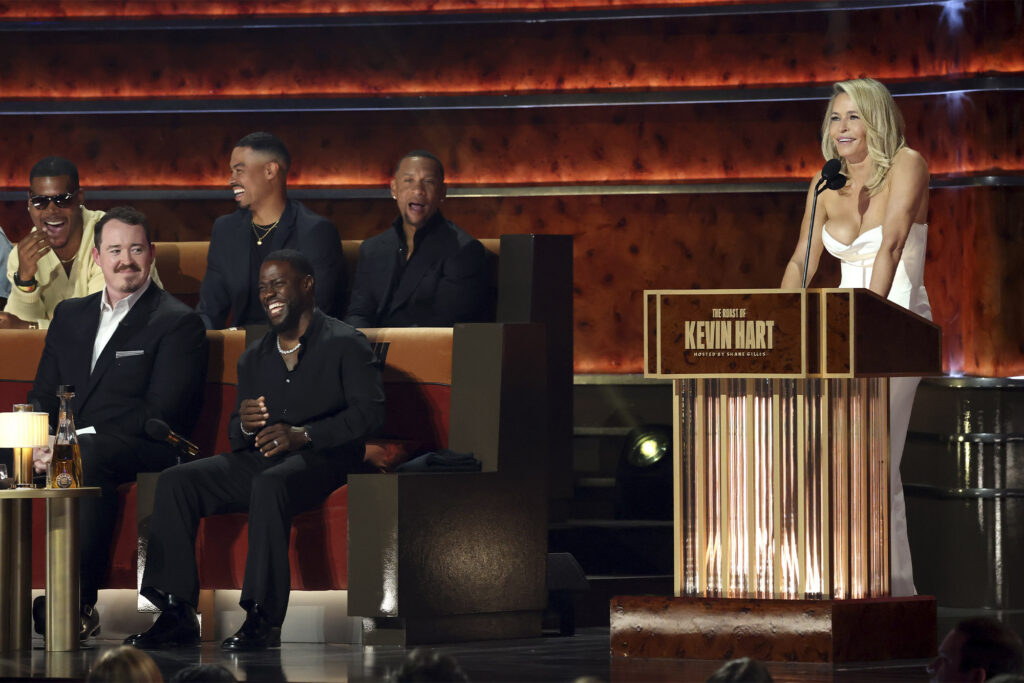
Roasts are still a thing (and are likely to remain that way) because, at the end of the day, they are poking fun at fame. They bring humour to Hollywood’s superficial, suffocating world, where things are taken way too seriously. A good roast breaks down a wall and shows that celebrities can make fun of themselves. It tugs at the strings of our parasocial relationships, watching them squirm in their seats or sweat a little, reminding us that they are ultimately human.
Comedy also creates a space where things that normally wouldn’t be acceptable to say, like criticism, wrongdoings, and gossip, are turned into content. A crazy soundbite of a strong diss will be an overnight success and will easily be the talk of the social media sphere. Moments like these offer a rare glimpse behind the polished facade, reminding us that yes: not even celebrities are immune to embarrassment and awkward moments.
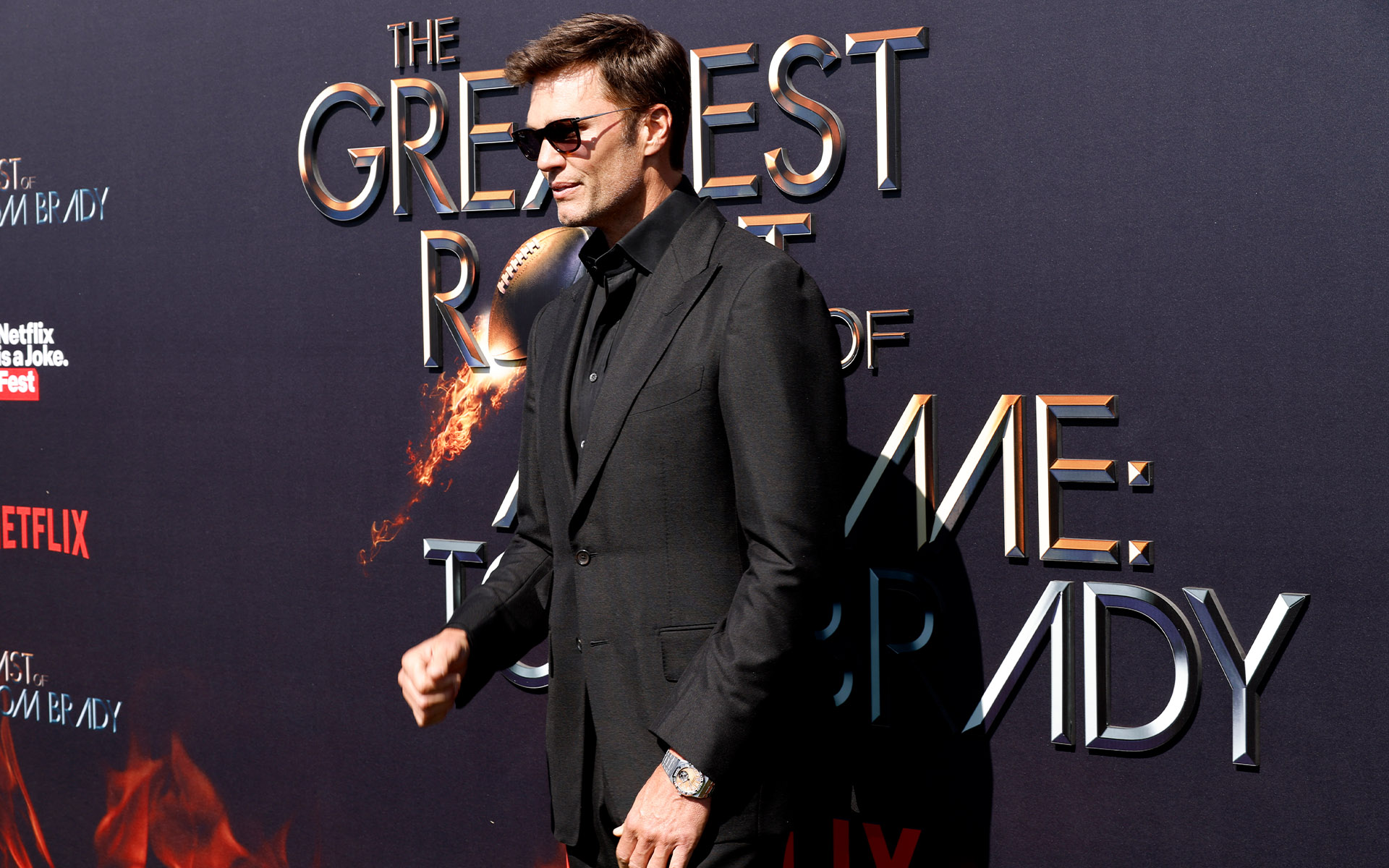
FEATURE IMAGE: TOM BRADY AT “NETFLIX IS A JOKE FEST.” PHOTO BY FRAZER HARRISON/WIREIMAGE.