We have learned health backward, Thom Tullo argues. We celebrate the stimulus, meaning the workout, the hustle and the long hours, while treating everything after it as the absence of effort. But adaptation does not happen in the gym. It happens afterward, in sleep and stillness. “Recovery isn’t the opposite of performance,” he says. It is what makes performance possible.
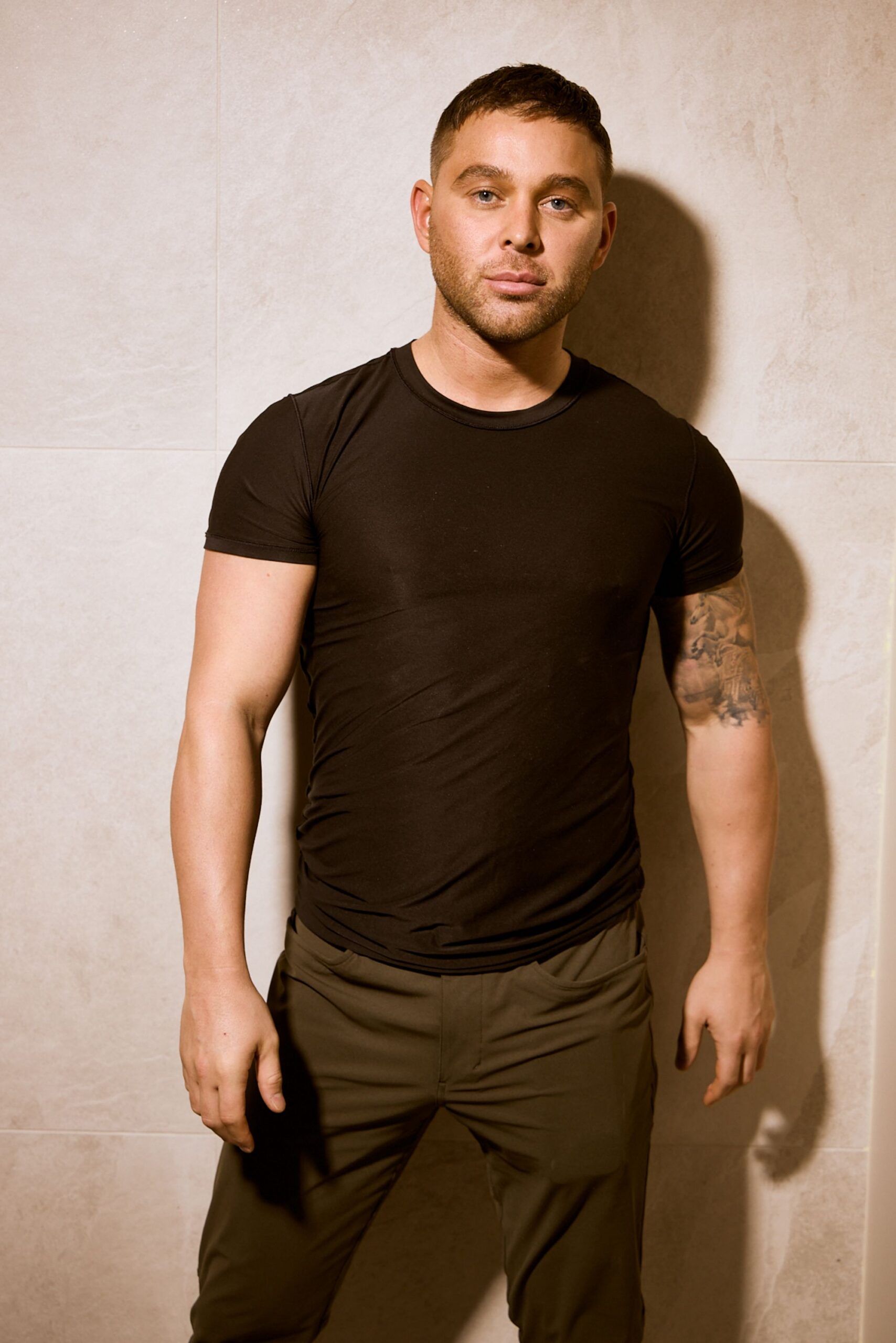
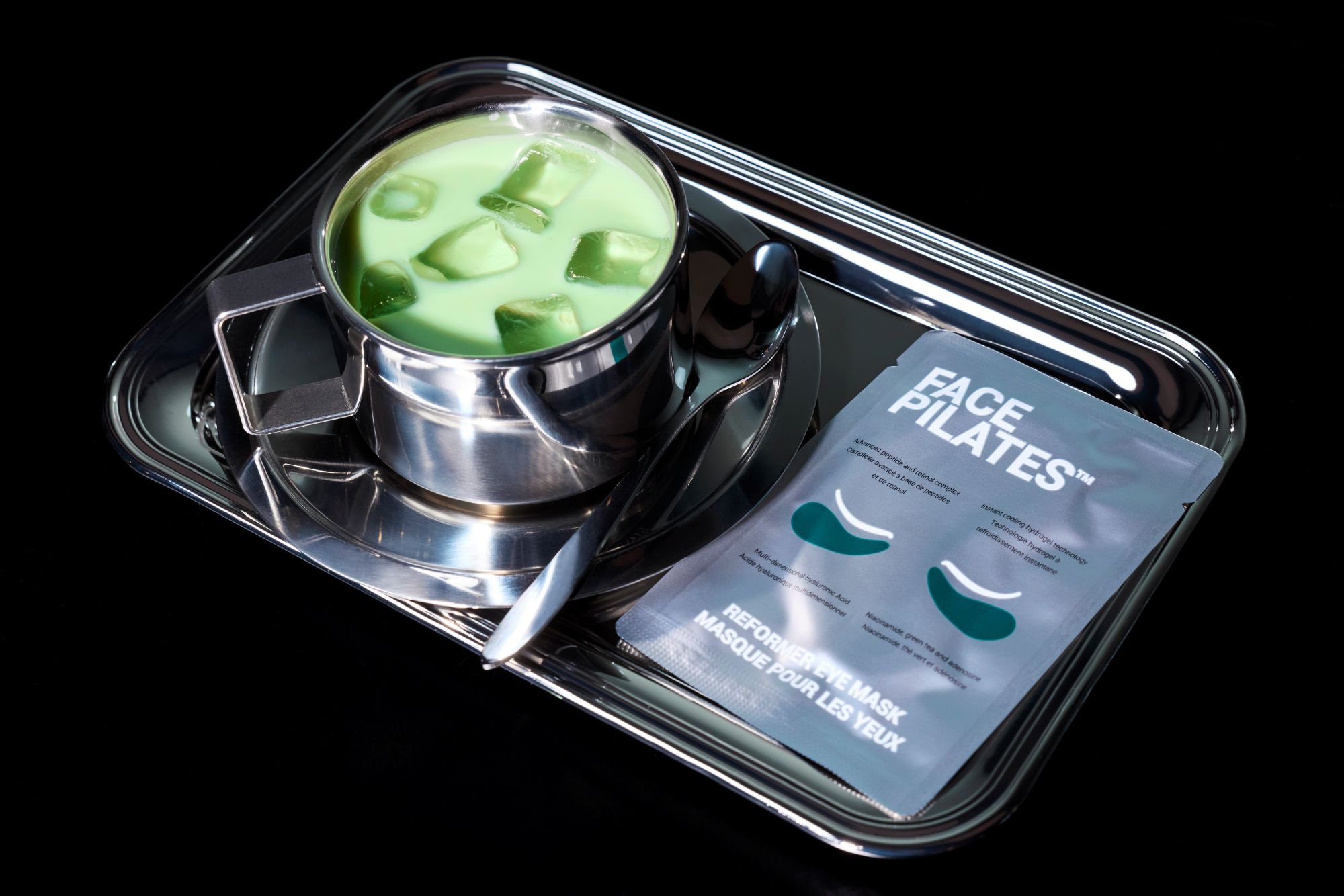
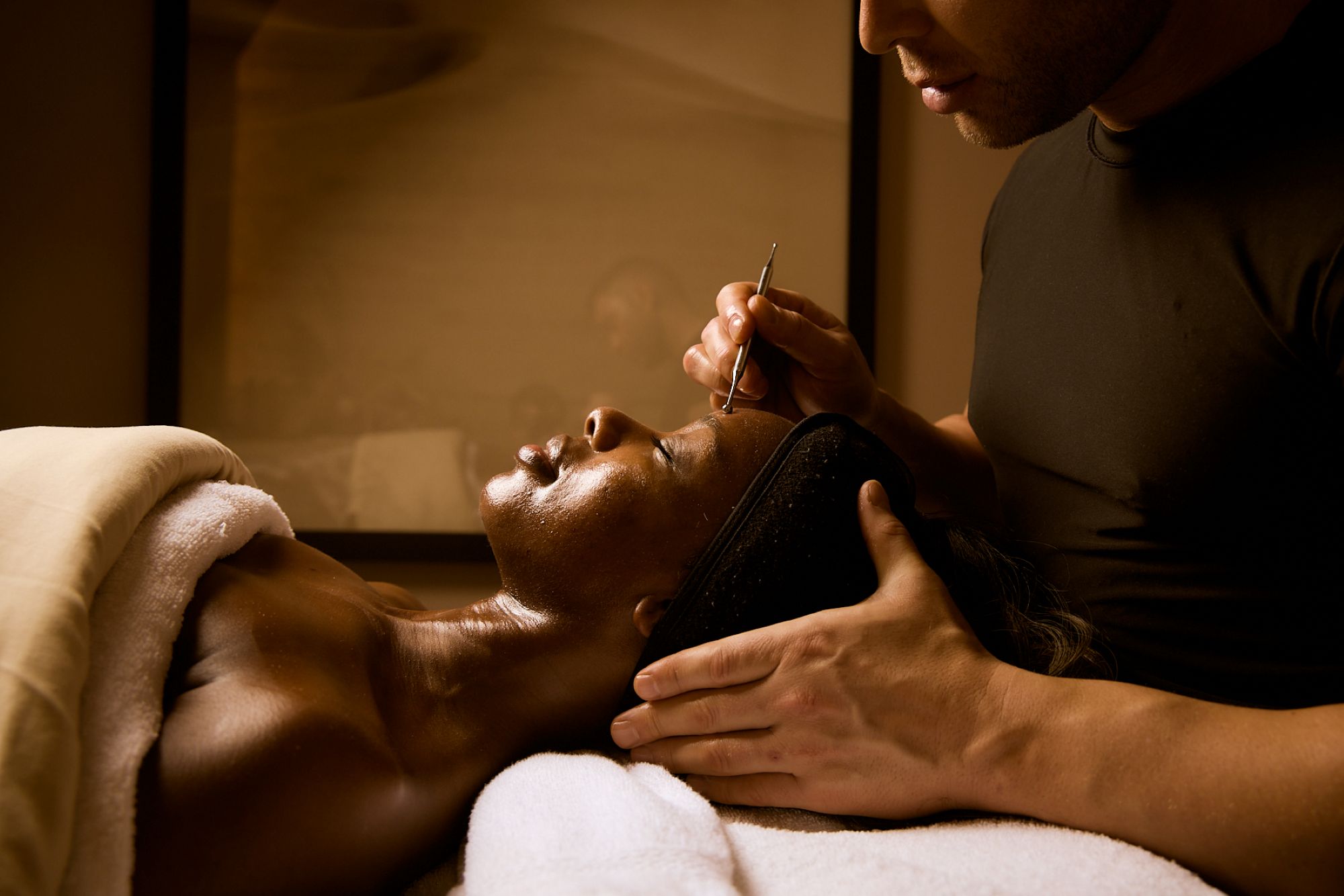
Tullo calls himself a recovery specialist, a term he readily concedes has grown crowded. His own definition is unfussy: help the body return to balance after stress, by removing what obstructs recovery — tension, inflammation, poor circulation — and building the conditions in which it can happen. He has turned that into a business. The Face Pilates 8-Step Method combines facial and buccal massage, lymphatic drainage, muscle activation and breathwork; the REFORMER collection extends it into skincare; Lymphatix Lab applies the same protocol to the whole body.
What distinguishes the pitch is its modesty. The face, in Tullo’s account, is not a separate project from the body but part of it, and indeed the place where stress tends to surface first. We clench the jaw, furrow the brow, squint at screens, carry tension up through the neck and scalp. The aim of the work, he says, is not to change anyone’s face. It is to release that tension and let circulation do its job.
The lymphatic system is central to his thinking, and he explains it plainly: unlike the cardiovascular system, it has no pump, depending instead on movement, breathing and muscle contraction to move fluid. When flow slows, the result is puffiness and sluggishness. The sculpted look people arrive wanting is, on his telling, a side effect of physiology simply working properly.
Which leads somewhere unexpected for a man who sells treatments. Asked where to begin, Tullo names no device. Walk. This is easily the most underrated recovery tool there is. Sleep, because that is when tissue repairs and hormones regulate. Breathe slowly, from the diaphragm, for five minutes. “The body whispers before it screams,” he says. Most of us wait for the screaming.