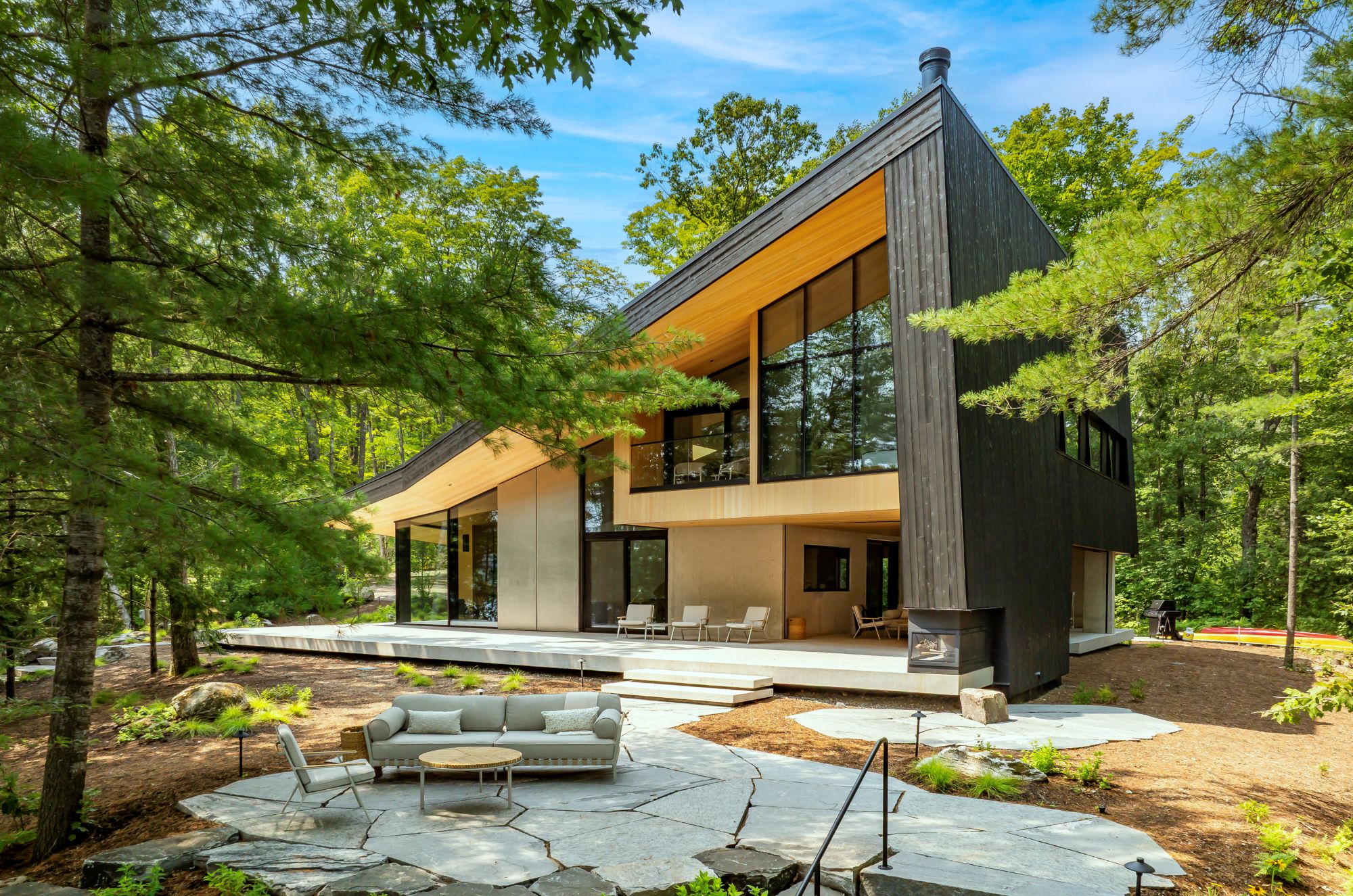
When Alessandro Munge first began conversations with developer Madison Group about the designs for the Nobu complex in Toronto, he realized he needed to get on a plane. Munge brought his Madison partner to Japan where they stayed in Tokyo and then in coastal Ise-Shima, which he describes as “kind of like our Muskoka”. And then they traveled on to China, spending time in a camphor-forested retreat outside Shanghai. Part of going abroad was to understand the hospitality elements behind the designs for what would become Toronto’s Nobu, yet the experience was also to better situate it within a Canadian context.
“What is going to make a guest feel like they’re not in Japan but rather they’re in Toronto? That’s important when you wake up in a room: that you feel the essence of our city.”Alessandro Munge
The Nobu brand is globally recognized on multiple fronts, and whether it makes you reflect fondly on intricate flavours and omakase tasting menus or sound sleeps and pampering away from home, it has become a marker of hospitality excellence. The Nobu Toronto is no exception. Yet while Nobu’s quality is well-recognized, the studio responsible for the visual warmth and minimalist design has a quieter public presence.
Italian-Canadian Alessandro Munge founded Studio Munge in 1997 and has since expanded his company beyond its Toronto headquarters to open a second atelier in Miami. The award-winning firm has partnerships with top-tier hotel and restaurant groups, as well as development companies. And the design firm is behind the creation of prominent luxury developments in Canada and beyond, such as Vancouver’s Rosewood Hotel Georgia, Halifax’s Muir hotel, Sint Maarten’s Vie L’Ven resort and Amal Miami Coconut Grove. This expertise has been channeled into Canada’s Nobu.
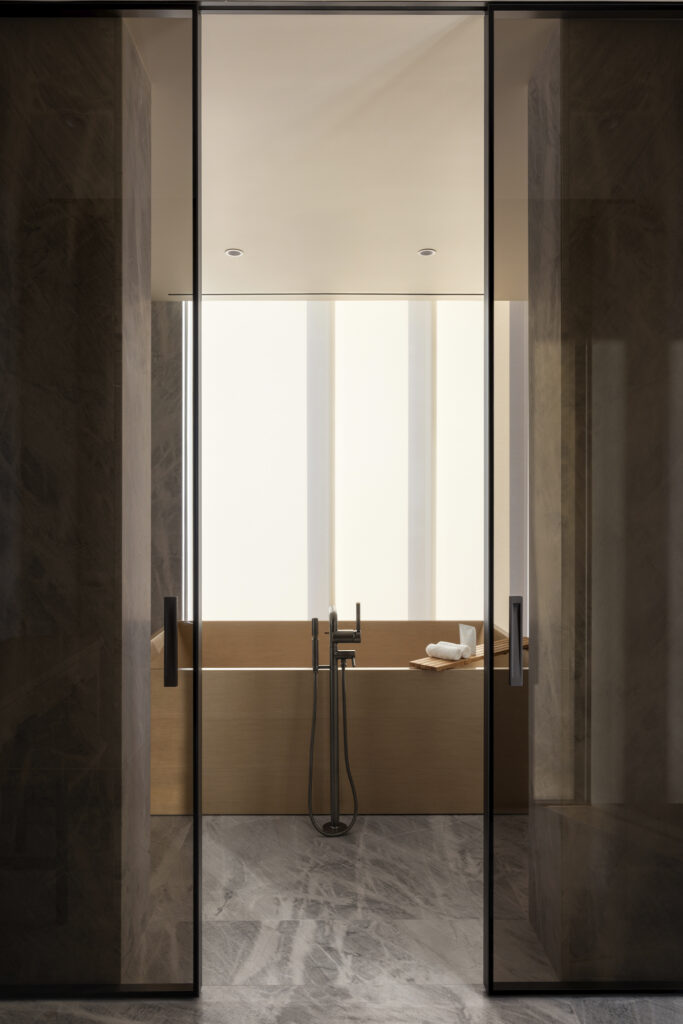
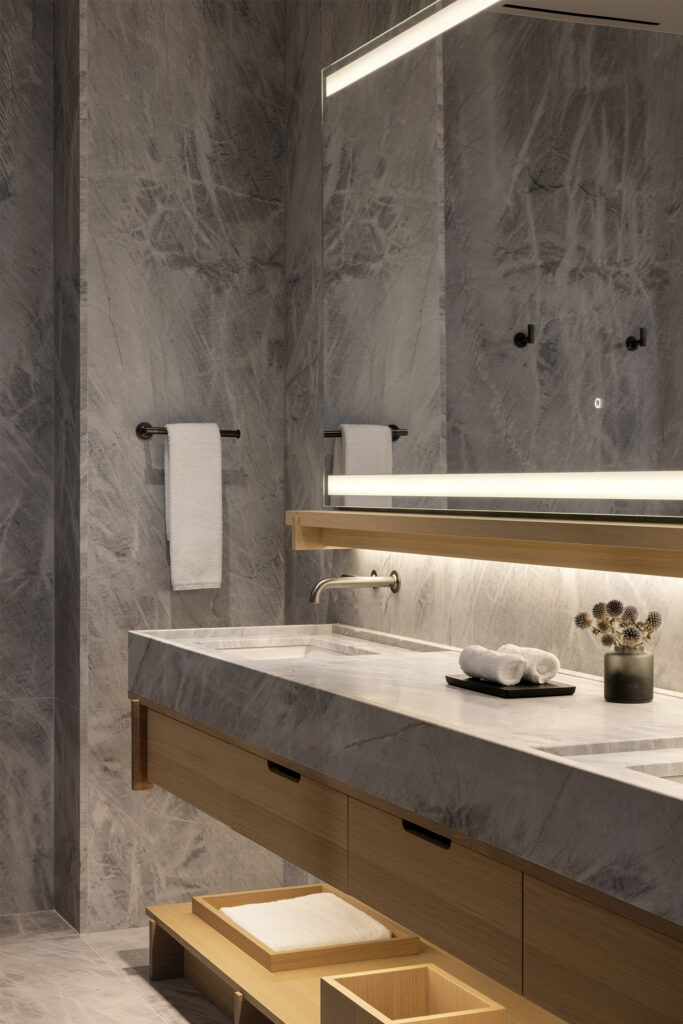
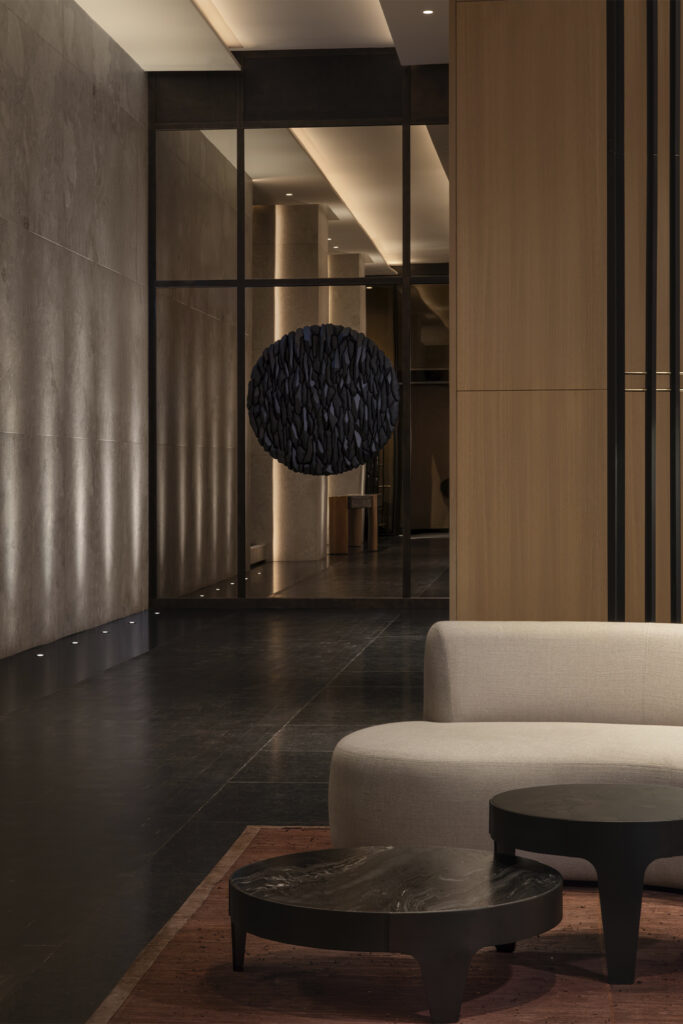
“Even though it is 100 per cent Nobu, and it takes the principles of that, what is going to make a guest feel like they’re not in Japan but rather they’re in Toronto?” asks Munge. “That’s important when you wake up in a room, that you feel the essence of our city.” The vast expanse of windows in each room situates guests instantly with up-close views of the CN Tower, Lake Ontario and the islands. The Mizu (Japanese for water) Lake View Suite in particular features multiple viewpoints of the water as it blends into the horizon. Nobu is boutique in size, with only 36 rooms, and the furniture was custom curated and designed. Tundra grey granite unites the lobby and corridors with smaller details within the suites and white oak parquet flooring and wall panelling ground the space in a sparse tranquility.
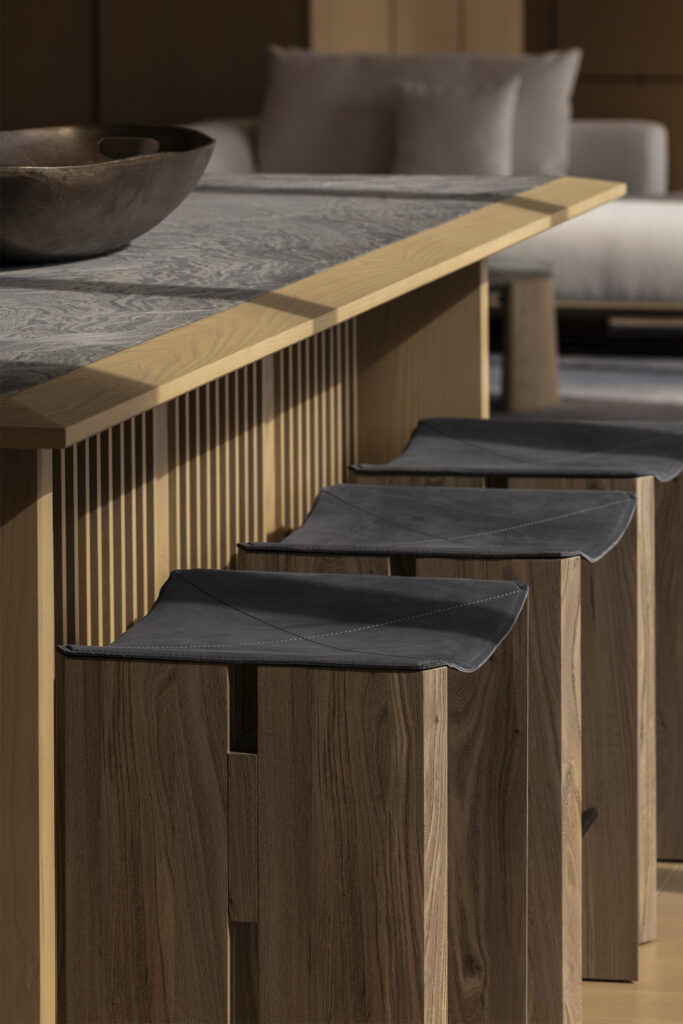
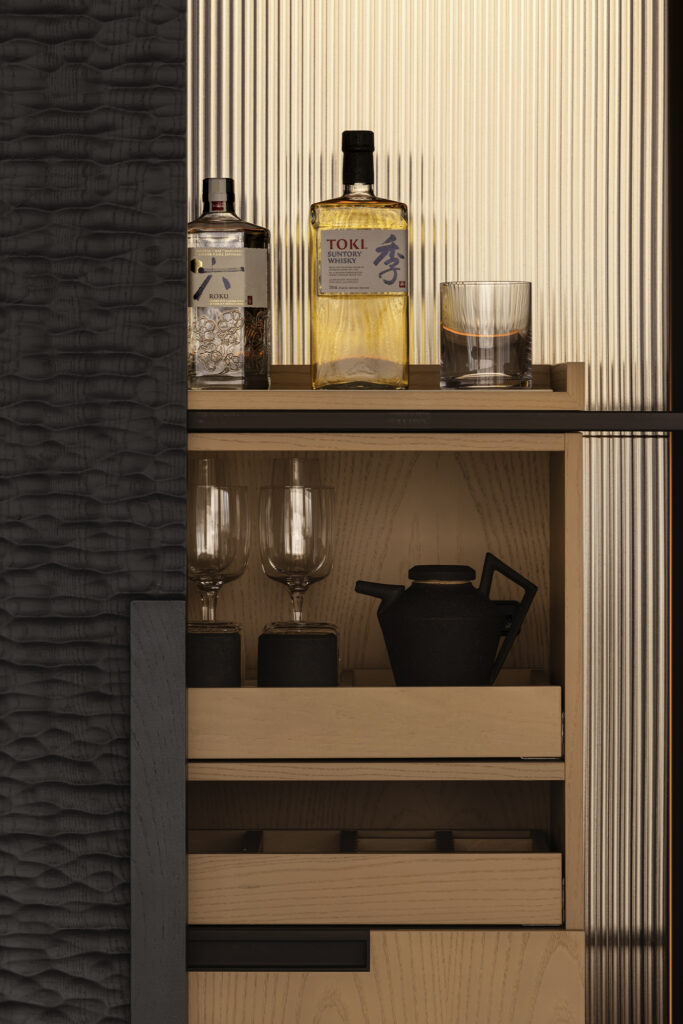
“I would encourage you to touch things, open up the minibar (armoire in style and made in Quebec),” said Munge. “The attention to detail — to human interaction with these pieces and how they live and breathe — with a guest in mind, was taken to the utmost level.”
Studio Munge also worked with artists and craftspeople from Canada and abroad to decorate the space. Canadian artist Dennis Lin’s thin undulating waves of metal span one entire wall of the porte-cochère, the lines evoking the folding and stacking of steel that creates a Damascus knife. Czech glassmaker Lasvit is responsible for the bronze chain-mail chandelier descending into the main-floor bar. And Romanian designer Andreea Braescu’s porcelain ginkgo leaf-clad lighting installation anchors the upper floor restaurant.
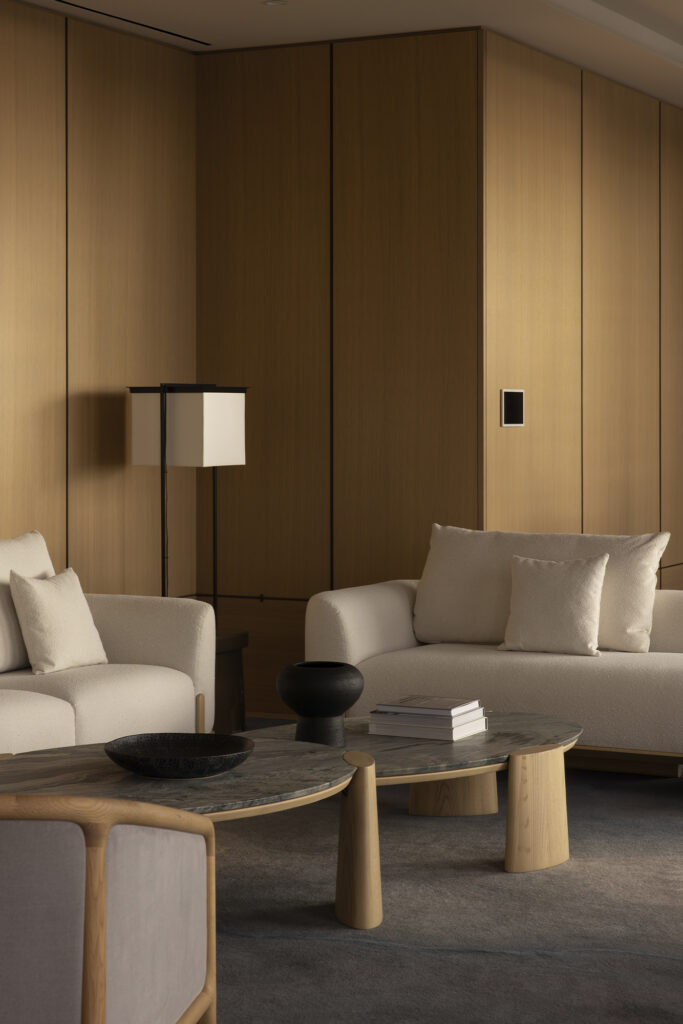
Walking into Nobu, you feel the layers of knowledge and craftsmanship behind the design; it rests lightly but can be seen in the details. Discreetly set on a side street in Toronto’s Entertainment District, the chaotic sense of the city fades as you step inside. And that psychological shift is deliberate as Munge strives to evoke emotions with his spaces. He likes the restaurants he designs to be energetic and alive — think the rush of a wave etched into the white plaster curving walls of Nobu’s sake bar — but for him a hotel must be a serene retreat. “We try to bring the aesthetics of hotel rooms down so that contributes to the mind, body and soul of the individual,” said Munge. “You feel energized and do your thing and then come back and have that tranquility. It’s constantly playing with emotions and senses, and it’s a good philosophy when it comes to design.”
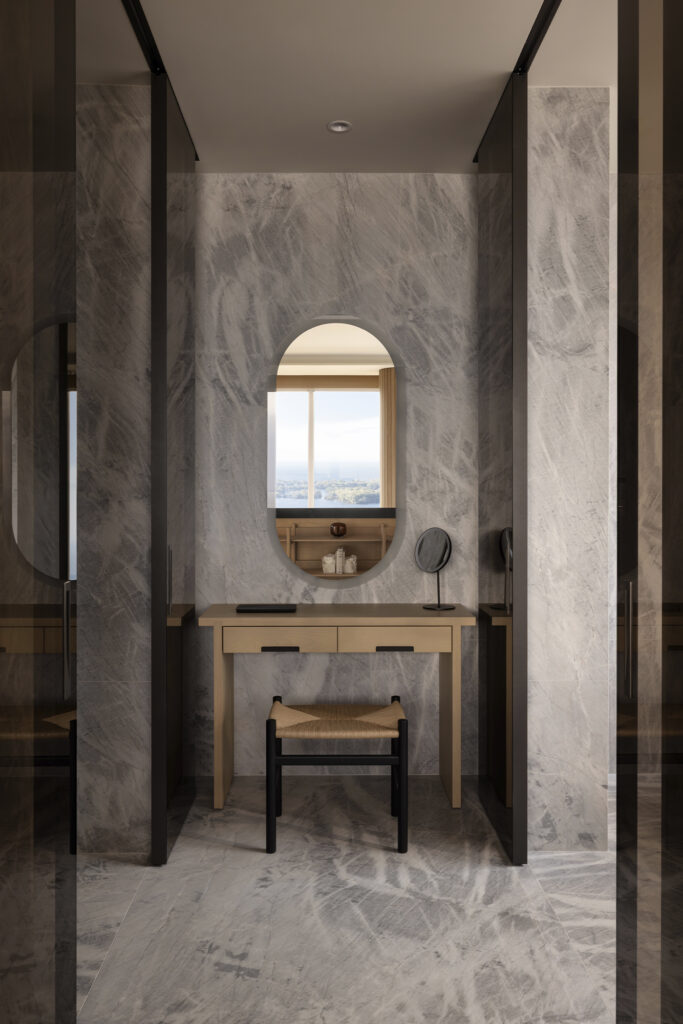
Though the Nobu hotel has been open for only a year and the restaurant two, Studio Munge began working on the two tower designs — first the residences and then the restaurant and hotel — over a decade ago. To ensure creative longevity, a commitment to the project’s vision was necessary, as was a dismissal of fickle trends. And it is an ideology which pairs well with that of the Nobu brand itself. Propelled to fame by its co-founders, renowned chef Nobu Matsuhisa and actor Robert De Niro and fueled off De Niro’s desire for Matsuhisa to bring his culinary mastery to the world beyond Los Angeles, the restaurant-turned-hotel venture has expanded across multiple continents since its start in 1994. “When you don’t overdo things in design and you restrain yourself and you stick to simplicity of materials,” said Munge, “then I think you get a really beautiful project that stands the test of time.”
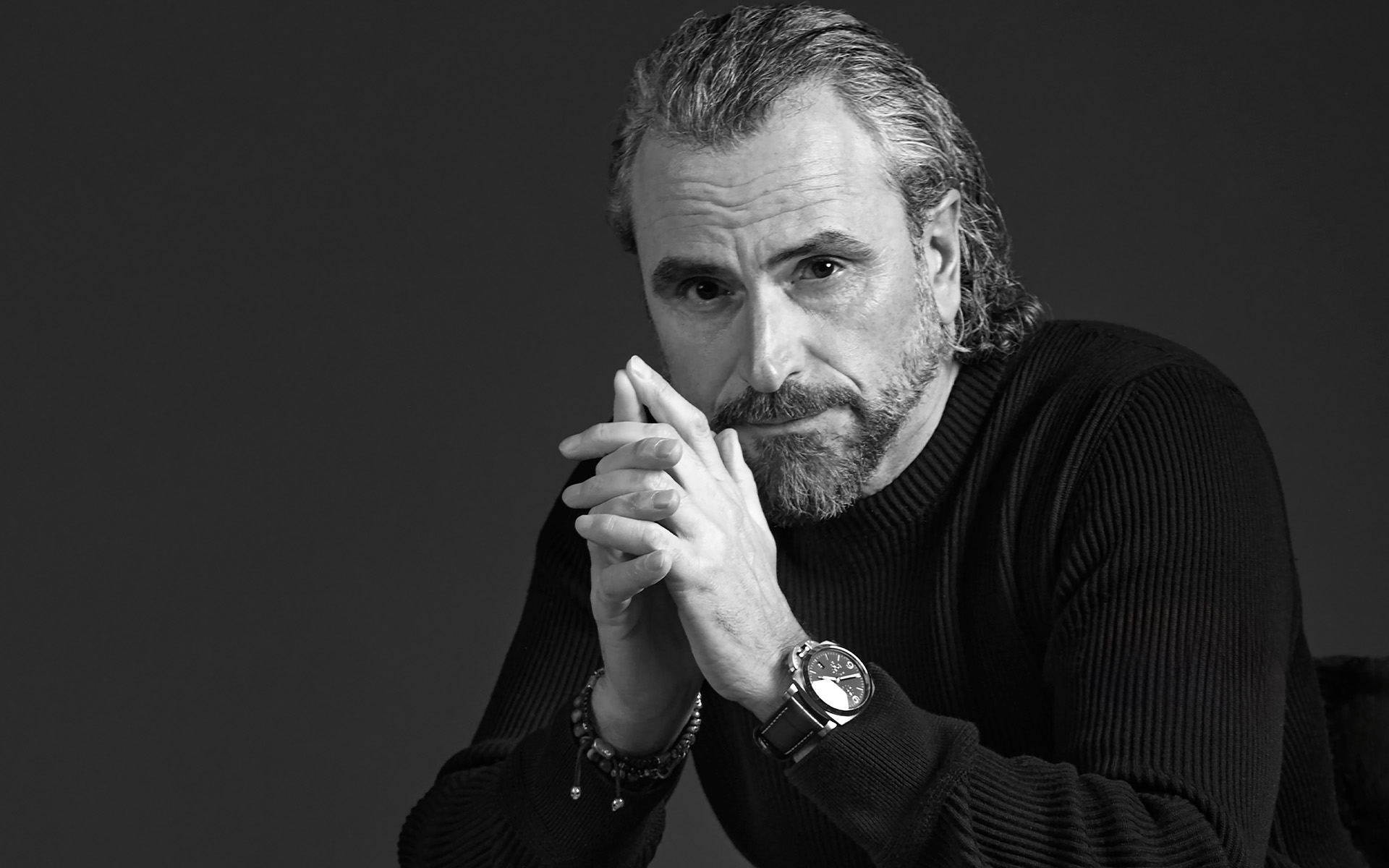
FEATURE IMAGE: ALESSANDRO MUNGE, PHOTO BY EMA PETER.