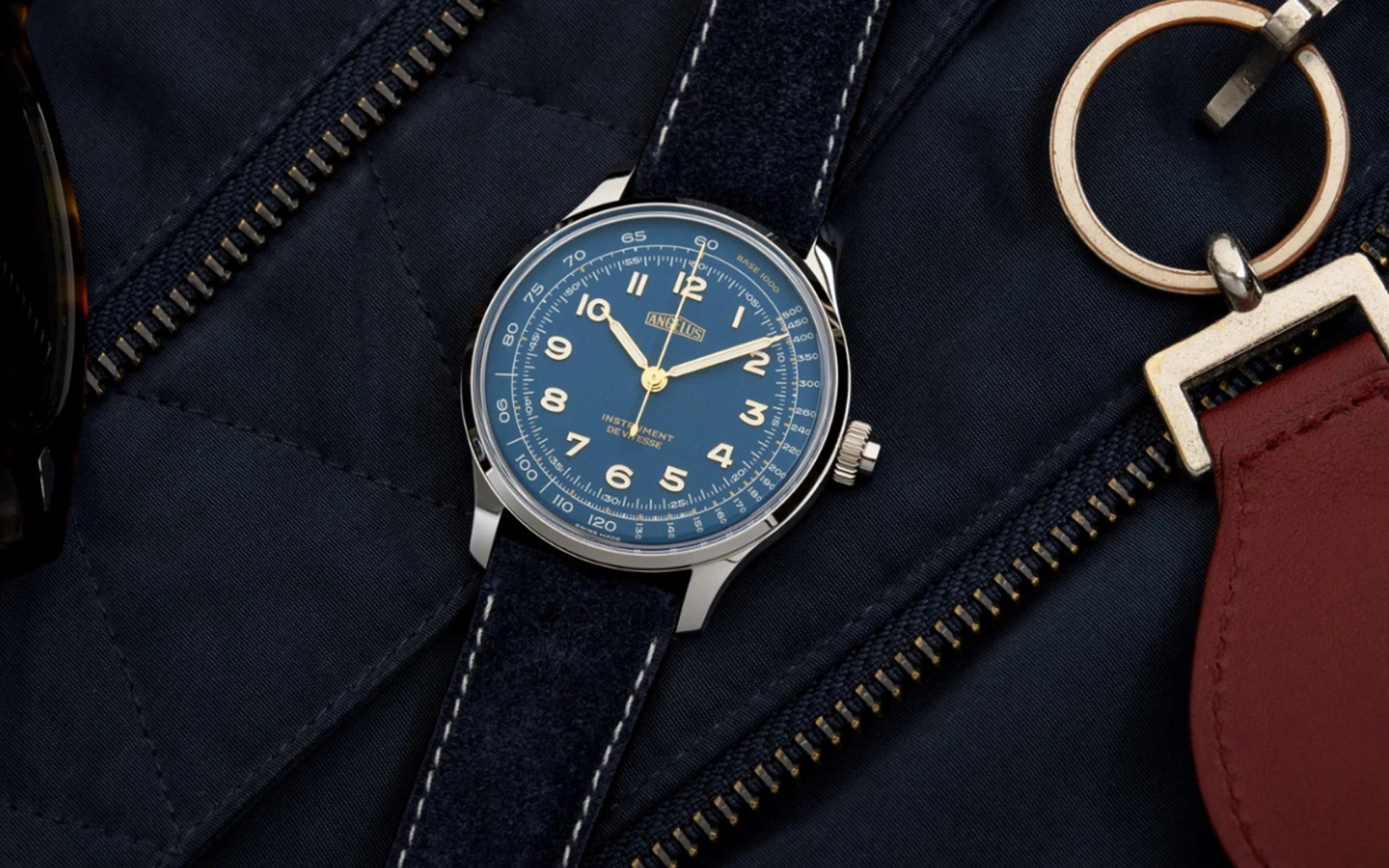
The undead are one of the most reliable tropes in the horror universe, from grindhouse classics like Night of the Living Dead to big-budget modern epics like The Last of Us. There’s one kind of zombie, however, that won’t send you running for the closest baseball bat: the so-called “zombie watch.” The term, coined by watch writer Cam Wolf a few years ago, describes a watch from a long-defunct brand that has been revived by an influx of investment capital, adapted to suit modern tastes, and released into the world, usually to much fanfare. Examples include Daniel Roth, A. Lange & Söhne, Gerald Genta, Nivada, Universal Genève, Fears, and most recently, Gallet. Watch enthusiasts usually operate on a more-is-better philosophy, but some might wonder if, like that cat in Pet Sematary, a watch brand loses something in the re-animation process.
The essential proposition of reviving a watch brand is a solid one. Take a beloved but neglected watchmaker, buy out their IP, crank out a few refreshed models, and market them to nostalgic collectors. It makes sense. Why go to the trouble of setting up a new watch brand and coming up with a new design language, model lineup, and name when you can simply buy a disused one, along with all the history and goodwill associated with it? As a business model, it’s kind of a no-brainer.
From the enthusiast side, however, it raises an important question about authenticity. When we think about the brands listed above, we tend to think of their golden eras, when watches were essential instruments, and watchmakers competed fiercely to bring new ideas and technologies to the table. Nowadays, when watches have mostly become stylish accessories and status symbols, and innovation mostly happens at the highest echelons of the market, it’s an entirely different proposition. But does that make a 1960s watch inherently superior to its 2026 equivalent? It depends who you ask.
As I wrote recently, what a modern re-edition might lack in patina and soul, it makes up for in reliability and accessibility, and for some people, that’s a great bargain. Take Vulcain, for example. This brand was once famous as a specialist in mechanical alarms, which were a highly useful feature in years before digital alarms and iPhones, but more of a charming gimmick in 2026. That said, one would imagine the pleasures of owning a vintage Vulcain Cricket would be seriously tempered by the hassle and expense of repairing and maintaining it.
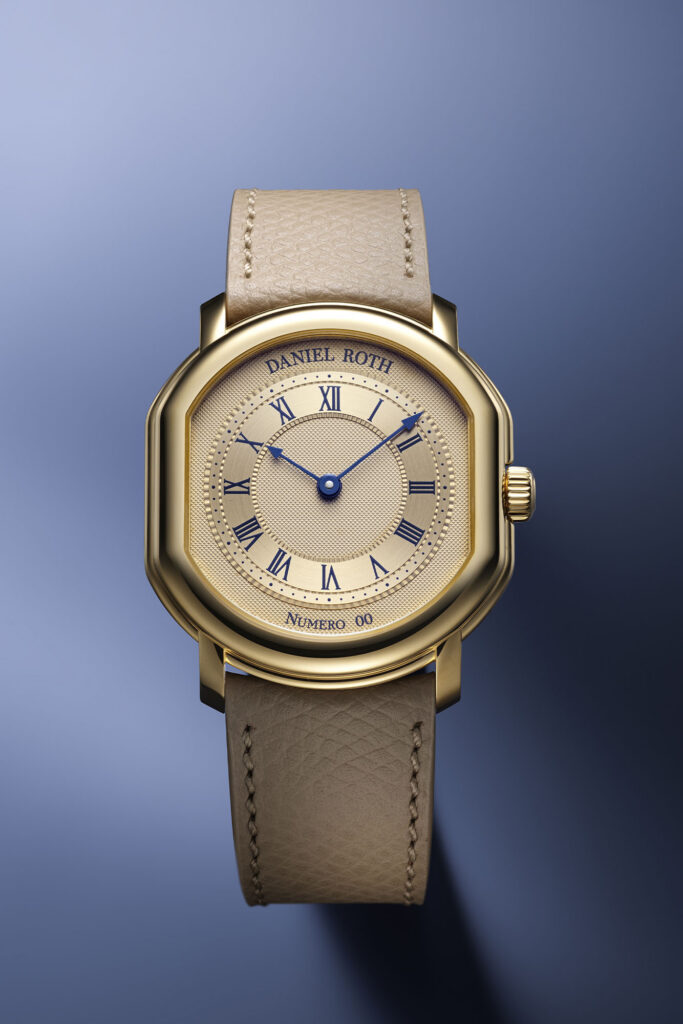
Things are similar at the high end of the market. Daniel Roth, relaunched under the stewardship of LVMH in 2023, was a brand known for beautiful traditional watch movements, slim cases, and an unmistakable aesthetic. If you have six figures to spend on a watch and the inclination to suss one out at auction, a pristine vintage gold Roth would be a fine addition to any collection. If, however, you opt for a new version made by La Fabrique du Temps Louis Vuitton, you’d be getting a similar level of artistry and finesse with the assurance of a 21st-century warranty.
It’s not an apples-to-apples comparison, of course. Which side of the line you stand on ultimately comes down to what kind of collector you are, how you define authenticity, and what kind of premium you’re willing to pay to get the watch you really want. It’s a question that speaks to the very essence of watch enthusiasm. One of the things that makes watches such an enjoyable hobby is the infinite detail to be discovered, relished, and debated among like-minded watch nerds. Like, for instance, whether a new Universal Genève is as cool as a vintage one.
FEATURE PHOTO COURTESY OF GALLET.