“The number of submissions coming into a festival like ours over the last 10-15 years has probably doubled.”
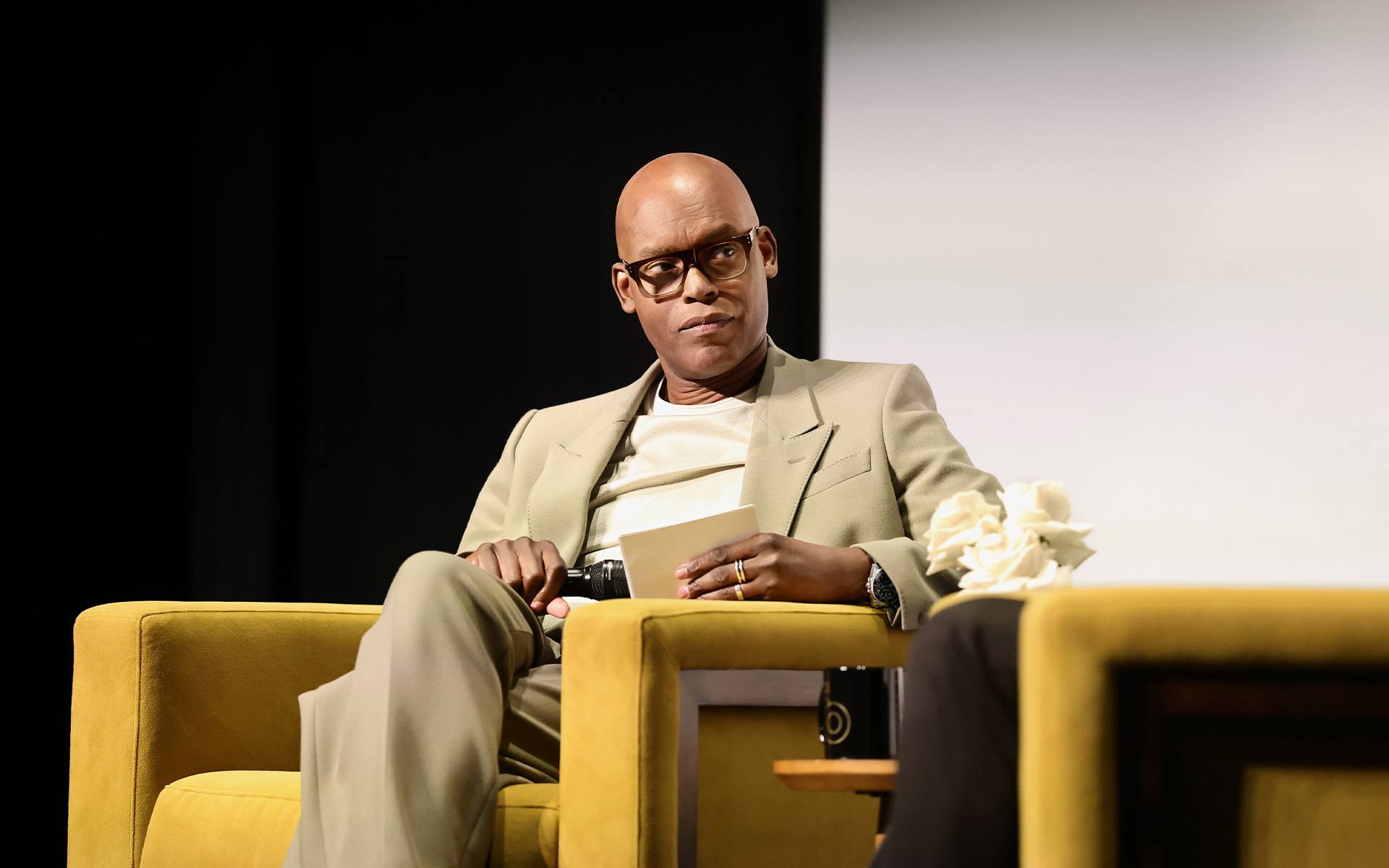
Cameron Bailey, CEO of the Toronto International Film Festival (TIFF), is reflecting on the pace of change – something he says can at times be “exhausting for curators.”
“The barrier to access for low budget filmmaking has really dropped, and we are seeing a lot more coming in the door. But there is a very positive side to that too. I’m old enough to remember that on certain days of the week you would turn on the TV and everyone would be watching, at least in North America, pretty much the same thing.”
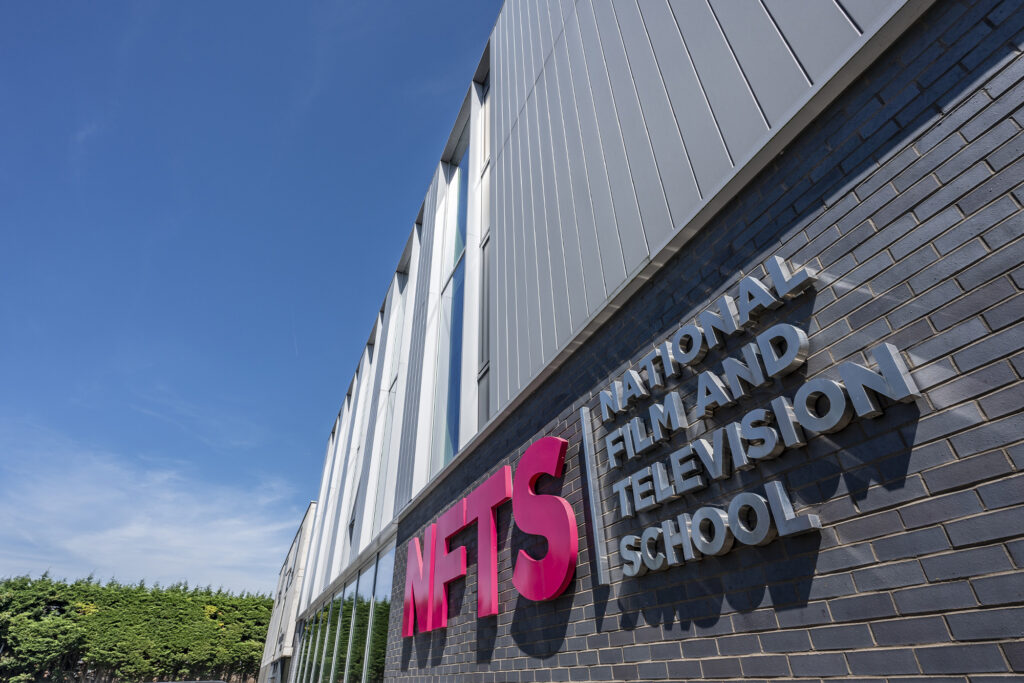
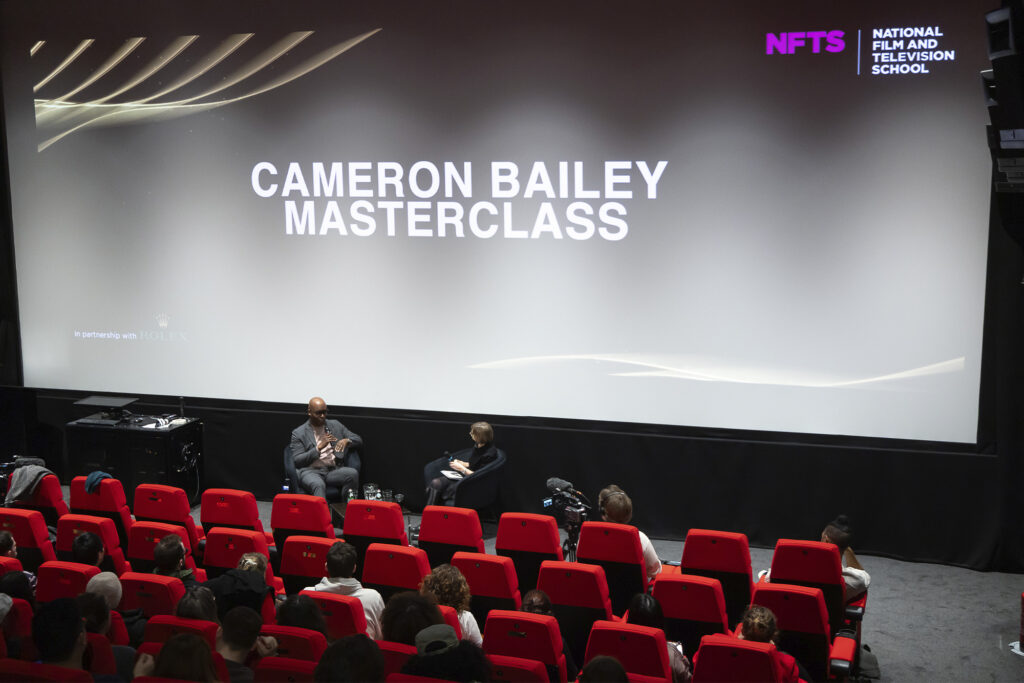
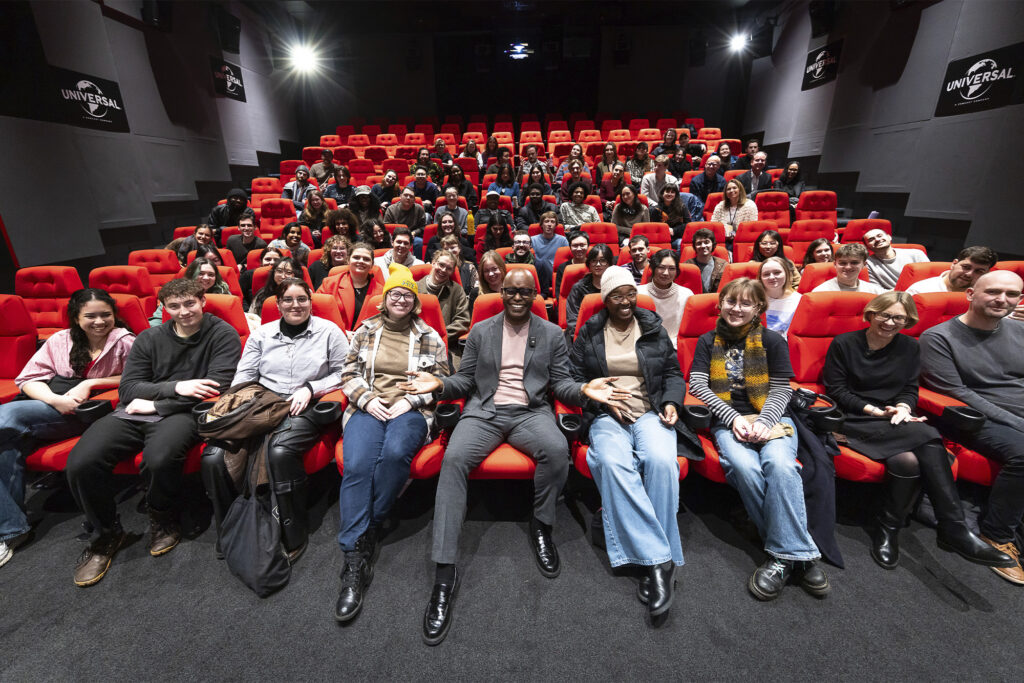
Bailey, speaking ahead of a live Q&A for students at Britain’s National Film and Television School (NFTS) seems to relish the task of advocating for cinema at a time when technological, generational and political changes are sweeping the industry.
“We found that the Gen Z audience actually does want to get off their phones and come out and gather with other people if you just give them some encouragement.”Cameron Bailey
“People are finding things in very different ways now; I think there’s an interesting interplay between the long tail and the mainstream that explains things like Bad Bunny in music or Parasite in film. Boon Jong Ho was a niche Korean genre director and suddenly everybody had to see that film. Perhaps we do lose something when we’re not all aware of the same things, but I think the upside is we’re not all watching the same thing!”
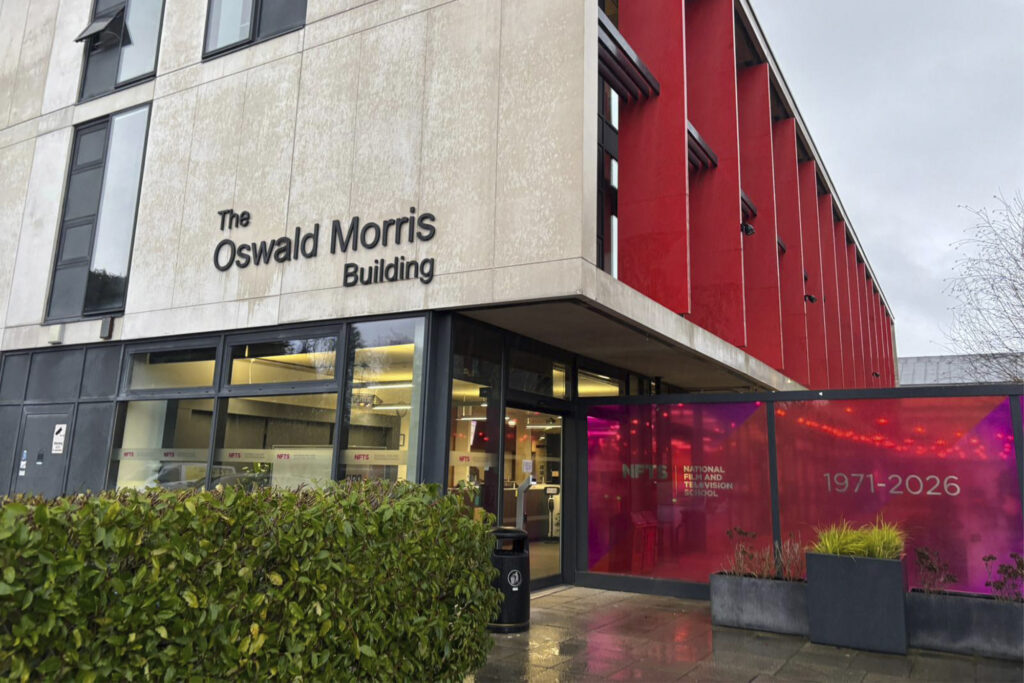
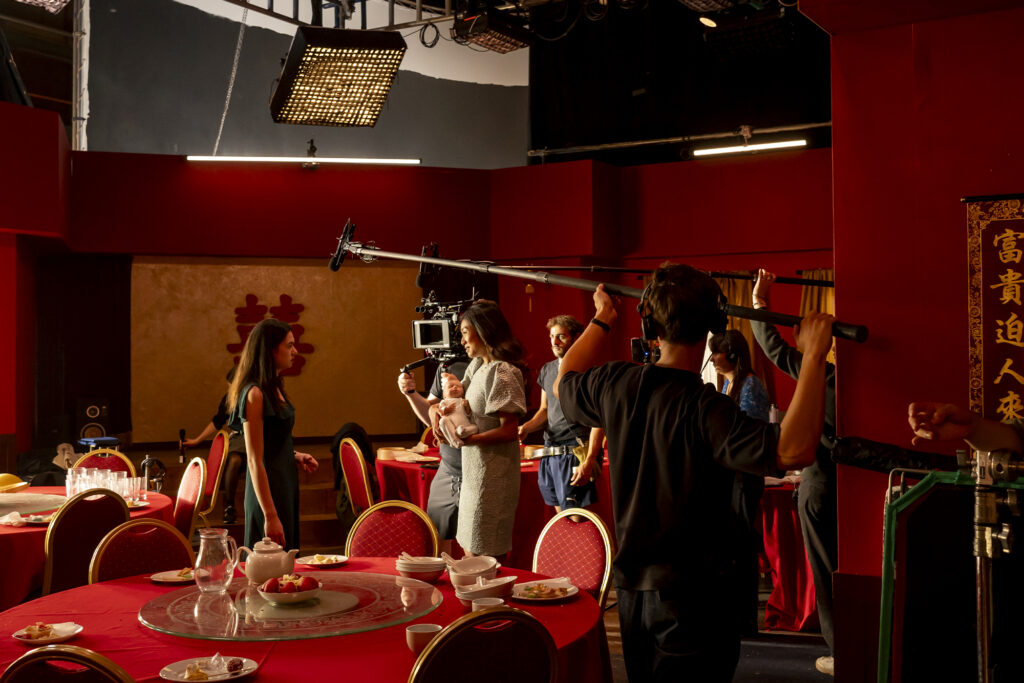
The NFTS was opened 55 years ago and counts dozens of internationally-renowned directors, animators, cinematographers and other production crew among its alumni. Based just outside London, it boasts fully functional film and TV studios, editing suites, model-making and animation workshops and dedicated spaces for composers as well as a multitude of other disciplines. It hosts dozens of the ‘masterclass’ sessions annually, in partnership with Rolex, bringing talent such as Steve McQueen, Danny Boyle or Louis Theroux — or as in this case, Cameron Bailey — to the school’s students to share their insights and experiences.
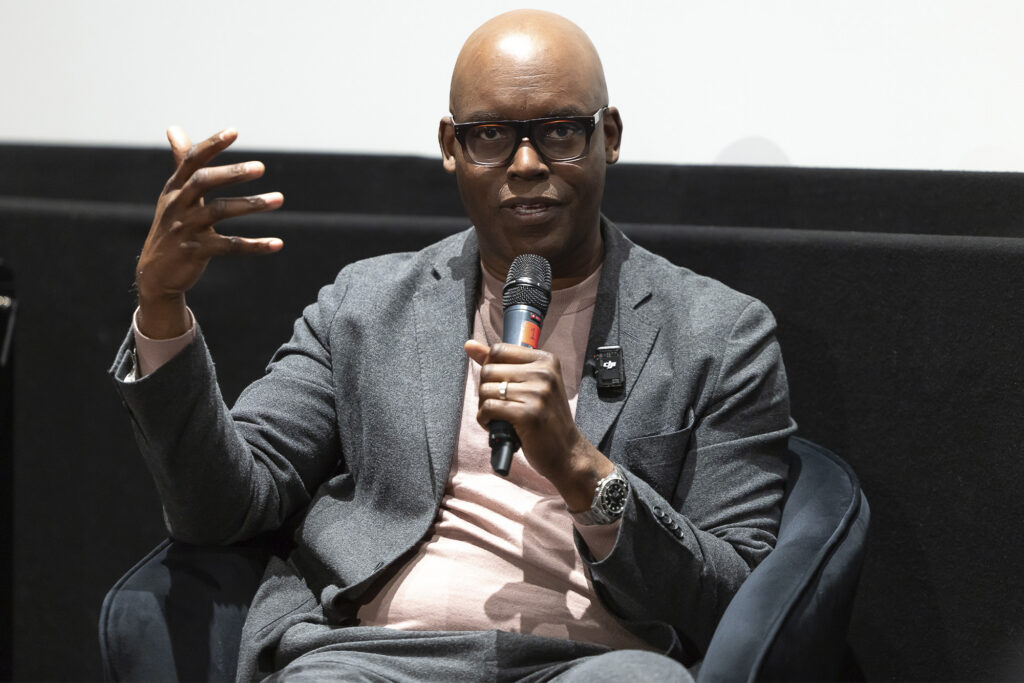
Born in Britain to Barbadian parents, Bailey, now 61, moved to Toronto when he was eight, and says the festival he now runs represents the seismic changes his home city has undergone in that time.
“When I got to Toronto it was by global standards a very quiet, homogenous city. Now, half the people who live in Toronto were born outside of Canada, hailing from almost 200 different countries. So we can show a big movie from India or from South Korea or the Philippines and have massive audiences, alongside Hollywood or European cinema.”
“We think that the social gathering that film encourages will continue. I tend to be an optimist: there have been so many cries about the death of cinema, all the way back to the 1920s and 30s. Every time you have a shock to the system, it creates new avenues as well.”Cameron Bailey
Founded in 1976, TIFF marked its 50th edition last year with a combined audience of over 800,000 — its largest ever, Bailey says. It also saw TIFF embark on a partnership with Rolex, which sponsored its Tribute Awards. Having worked with the watchmaker for years in a personal capacity under a mentoring initiative, Bailey says that it takes its role as a patron of the arts seriously. “Like us, they want to bring great art to as many people as possible and they want to bring in that next generation as well who maybe don’t have the status of a Tony Morrison or Martin Scorsese. We’re in conversation with them about maybe growing [the partnership] because it’s been really successful for us.” It also chimes with Rolex’s work at the NFTS, where the world’s largest watch brand sponsors ten students every year.
When it comes to the rapidly-changing environment around entertainment and our viewing habits, Bailey admits there are significant challenges facing the traditional model for film and television, but says that although generational and technological shifts “are happening faster than they used to”, TIFF’s efforts to engage with Gen-Z and Alpha audiences have paid off. “If you’re under 25, you have been able to get free access to all of our classic programming since 2022. And we found that the Gen Z audience actually does want to get off their phones and come out and gather with other people if you just give them some encouragement.”
On the dominance of streaming platforms, mobile viewing and short-form video, Bailey acknowledges that “we don’t know where consumer behavior’s going, but we think that the social gathering that film encourages will continue. I tend to be an optimist: there have been so many cries about the death of cinema, all the way back to the 1920s and 30s. Every time you have a shock to the system, it creates new avenues as well.”
Instead of dwelling on the threat to Hollywood — which he says is, in “some corners” too risk-averse — Bailey highlights the global opportunities that streaming platforms have opened up.
“I remember being in Lagos, Nigeria, and the filmmakers there were so excited about being able to get onto Netflix. Suddenly some of their top storytellers were reaching the world, and that transforms that culture. Streaming has expanded the range of what we can take in, and given new opportunities to artists. It’s why we have things like K-Pop Demon Hunters and Squid Game. We’re going to see a big Filipino melodrama that blows up internationally at some point, for example. It’s only a matter of time.”

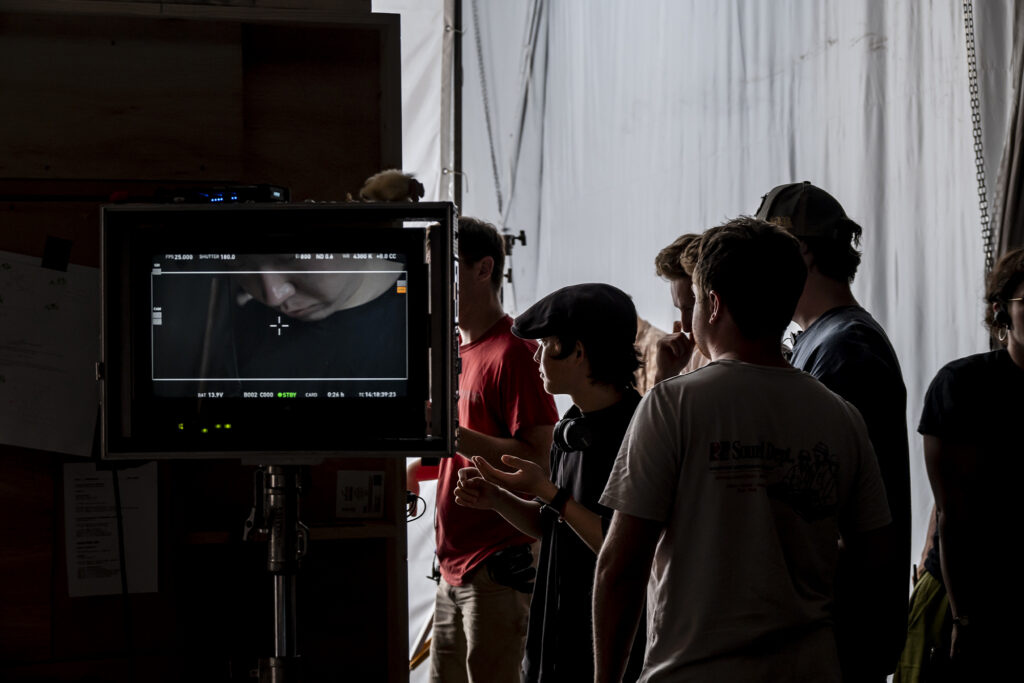
Right now, Bailey says his team is busy watching submissions and lobbying to secure their preferred screenings for this September’s festival. Competition with other festivals, such as Berlin and Cannes is, he says, both friendly and serious — “you can’t always get what you want” — but although he’s naturally eager to touch on TIFF’s biggest triumphs (screening debuts from Boogie Nights and The Shawshank Redemption to Slumdog Millionaire and The Martian) he says the most important thing is eliciting an emotional reaction in the audience.
“We know we’re doing well when you get that reaction. It doesn’t have to be a timed standing ovation — that’s become a bizarre thing in the film festival world, no measure of the actual quality of the film — but something intangible. Sometimes everyone gets very quiet and then there’s an eruption of emotion. Film is such an emotional medium and it should be moving people.”
FEATURE PHOTO CREDIT: GETTY, PROVIDED COURTESY OF ROLEX.