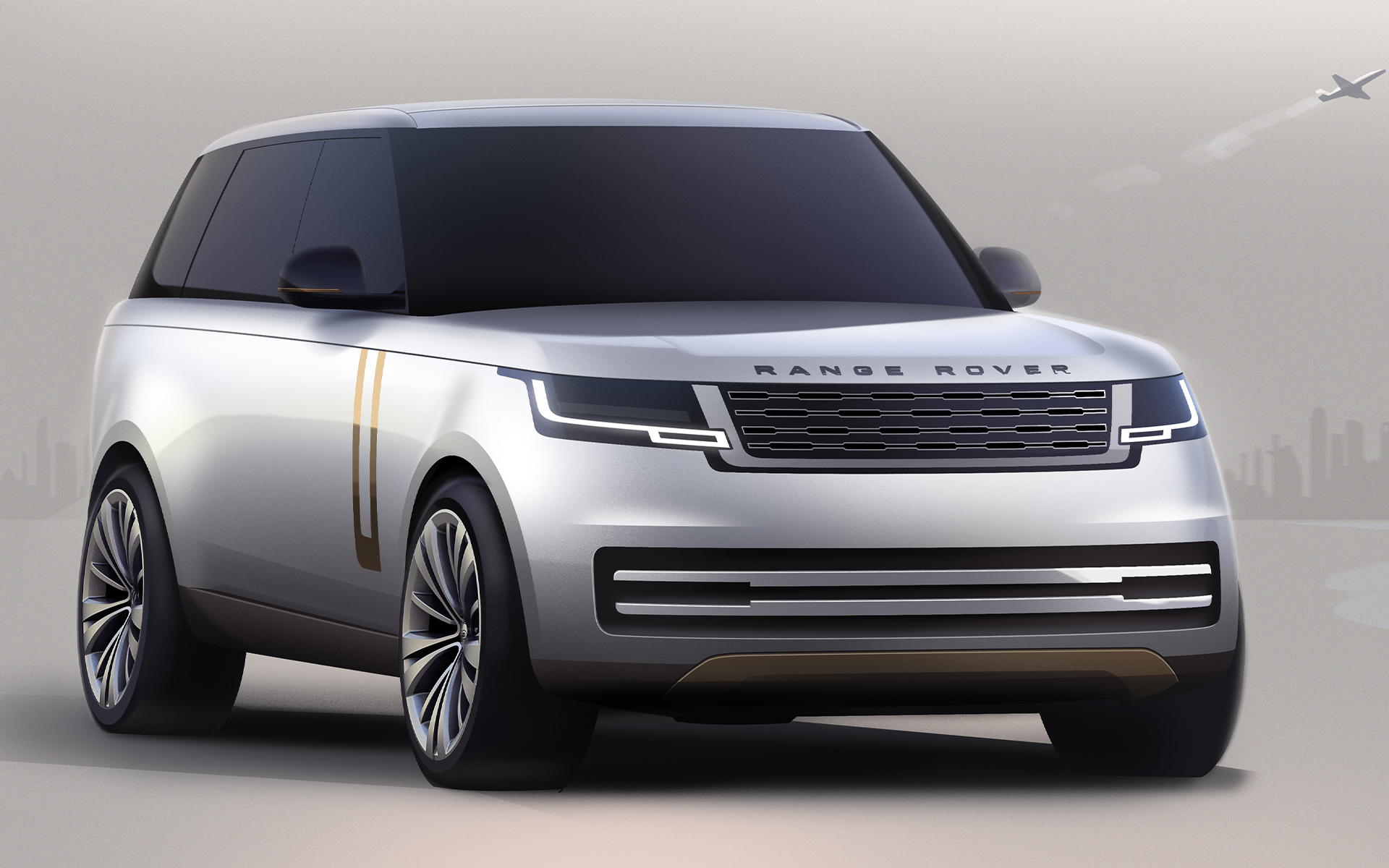
Before he was the Chief Exterior Designer at Range Rover — before landing this corner-office dream job at one of the most beloved marques in the car world — Matthew Beaven was a teenager in Coventry with a lump of clay and no particular plan.
“I used to sculpt clay models of cars,” he says over a video call from Range Rover’s U.K. headquarters. “I left school very early, and I did that for four years.” He was simply following his passion, letting his natural talent lead the way. As a teenager, he loved art, especially sculpture, and he was good at it, making portraits of his schoolmates. Beaven’s father was an engineer at Peugeot, so cars were in his blood. When someone suggested he could be a clay modeller for a car company, he took an apprenticeship at Jaguar, not far from where he grew up.
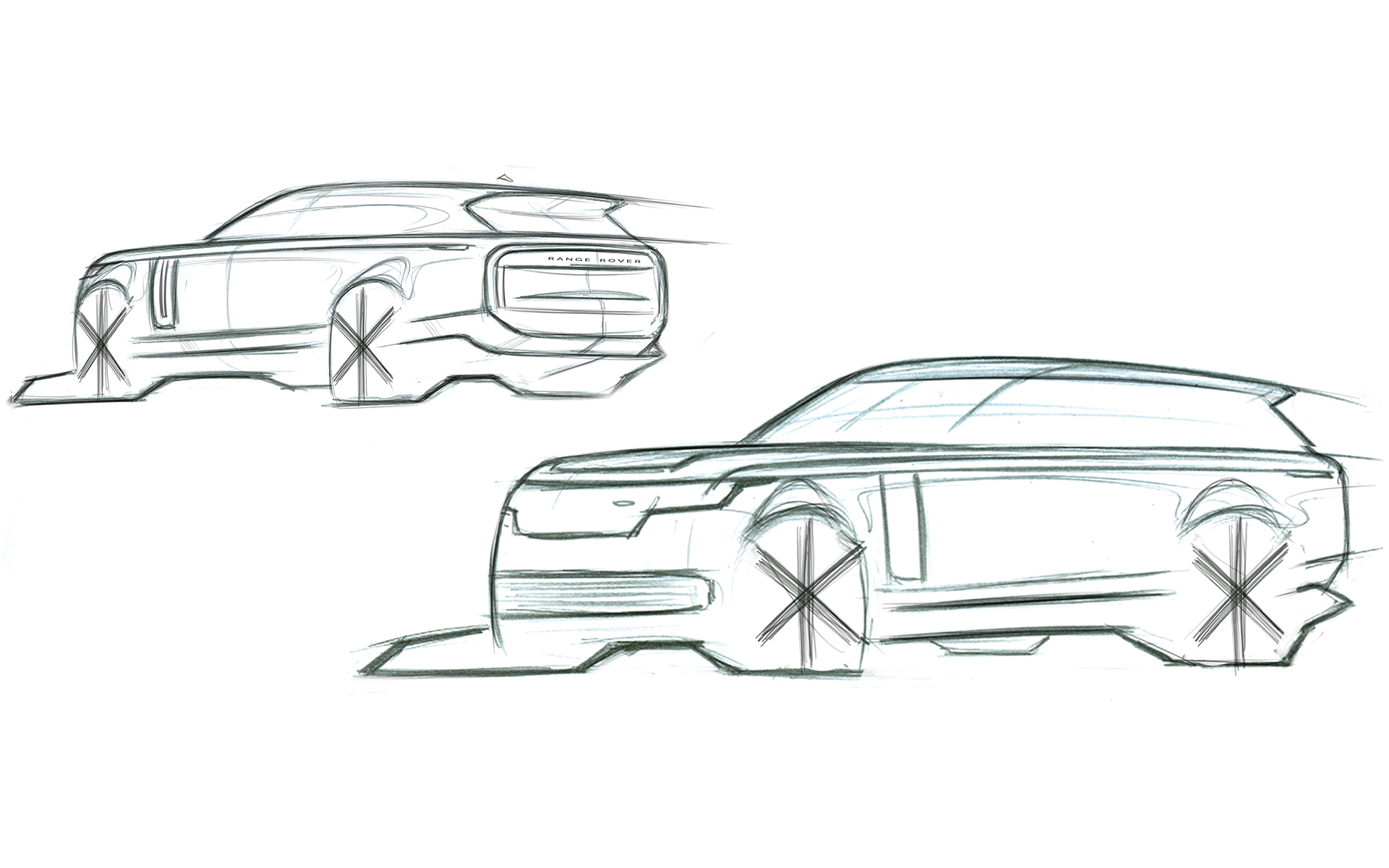
What he found inside Jaguar’s design studio amazed him. “I just couldn’t believe my luck. These designers were coming along with these really flash drawings,” he says. “And I started to learn from the designers how to sketch. […] And that really fed my ambition.” He loved modelling, but went back to school for car design, eventually graduating from London’s prestigious Royal College of Art.
He did a stint at Volkswagen in Spain before being pulled back to Jaguar in 2000. Beaven was the hand behind the future-classic Jaguar F-Type, a timeless sports car that lit a fire for the brand. (Although he’s too modest to say it.) He also designed the 2003 Jaguar R-D6 shooting brake concept, the R Coupe concept, and the greatest supercar that almost was: the Jaguar C-X75. (The fact that the brand never put it into production is a crime, if you ask us.)
Three years ago, after roughly two decades at Jaguar, Beaven moved over to Range Rover, taking one of the most coveted jobs in car design.
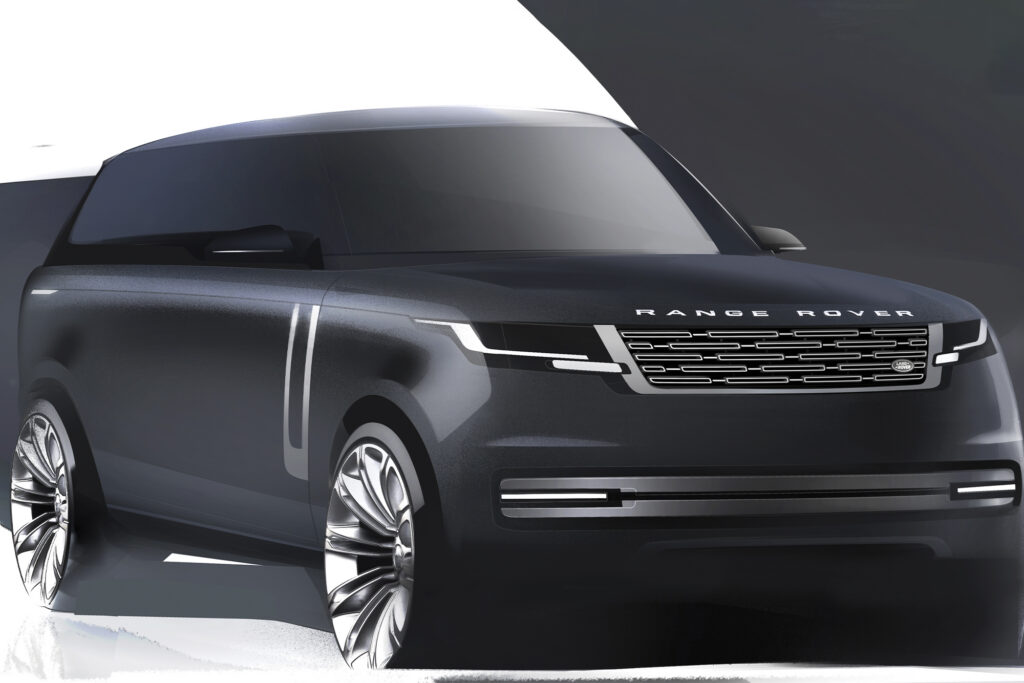
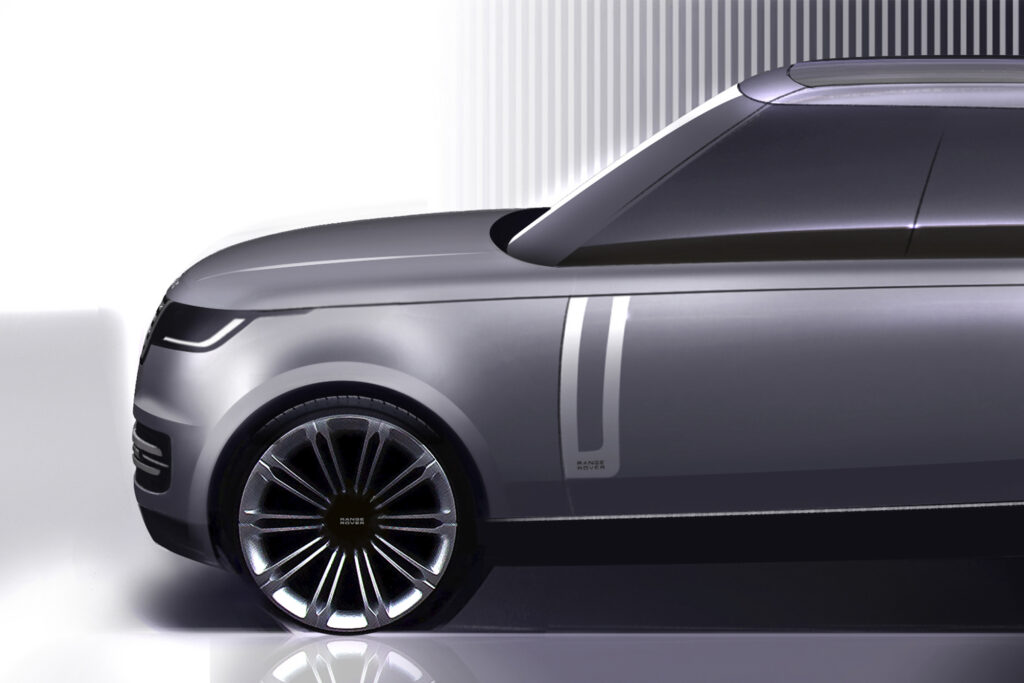
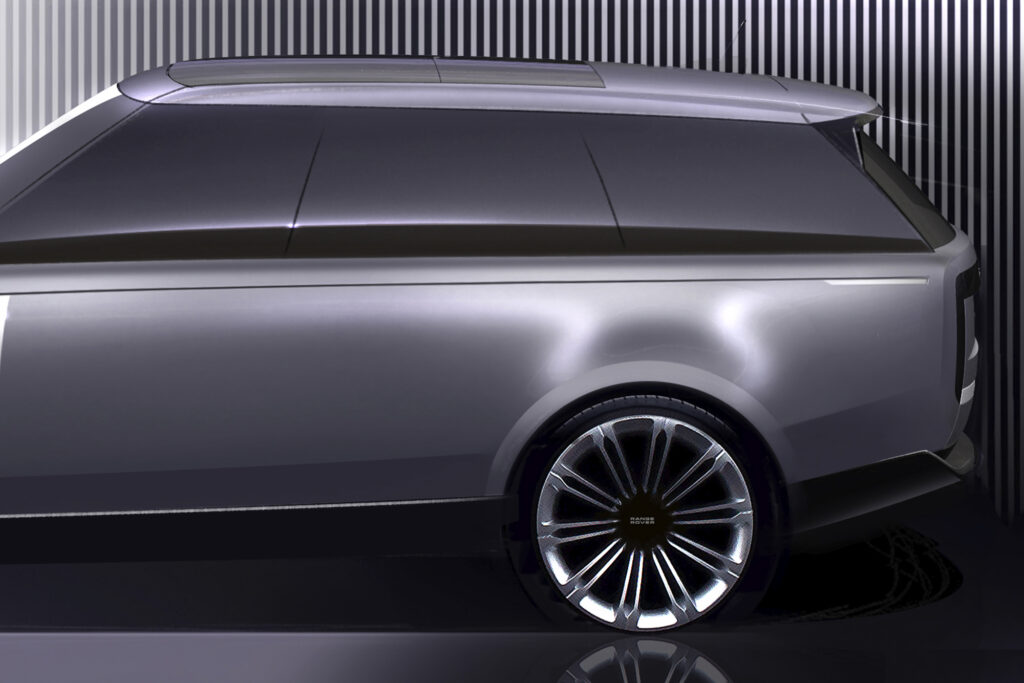
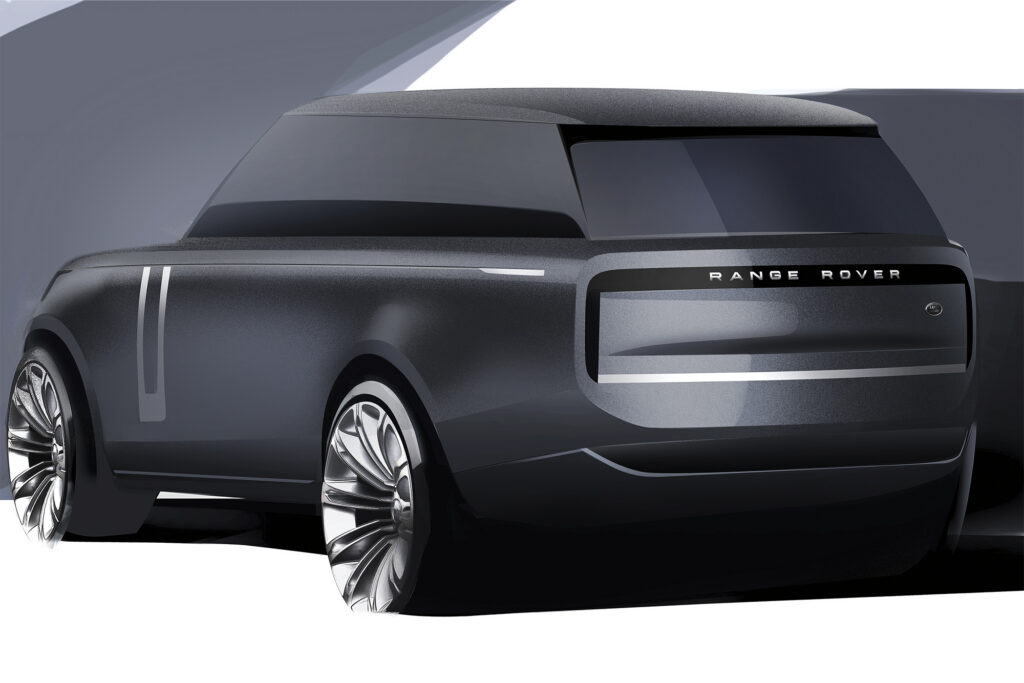
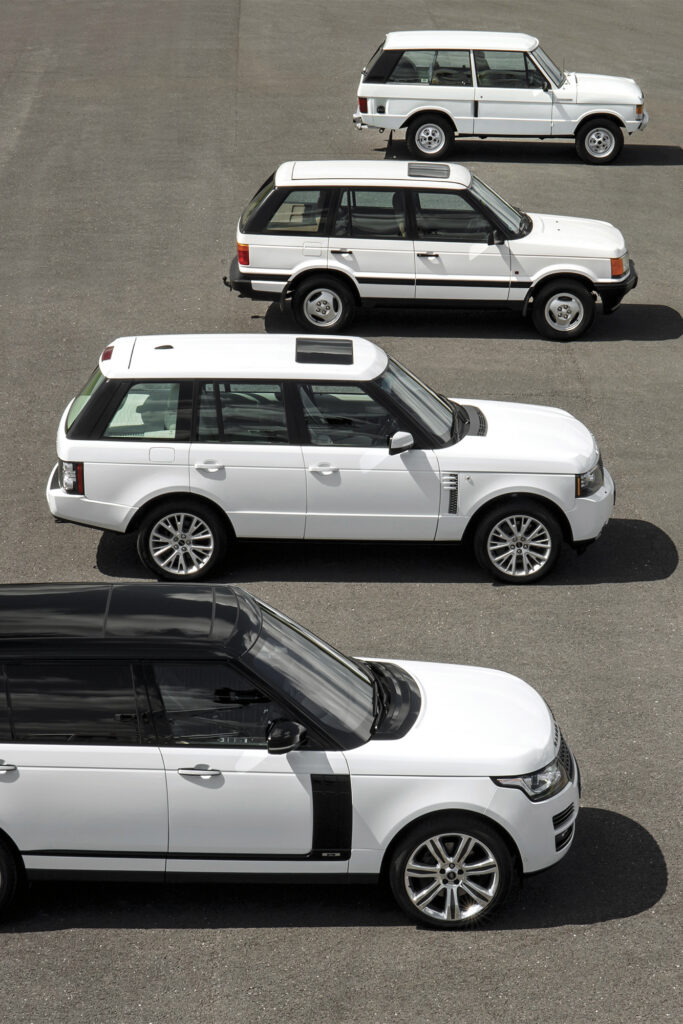
“You’re kind of blessed being a Range Rover designer, but it’s also a massive responsibility with all that heritage behind you,” he says. Blessed because the brand is powerful and its fans are loyal. But it’s also a bit of a curse for a designer; the current model is near perfect, and clients generally want it to stay the same.
But Beaven is unfazed by this tension. “I think the secret is to respect the history but not become harnessed by it,” he says. “Range Rover is a progressive company. We want to do something modern and relevant to the future, not necessarily harping back to the past too much,” he explains.
“[Design] has to say something. The last thing we want to do is just follow the market. That’s never where our success is.” Matthew Beaven
That fine balance plays out each time Beaven and his relatively small design team embark on a new model line. “The designers will produce a lot of ideas, ideas at every bookend, we’ll explore everything,” Beaven explains. Nothing is off limits.
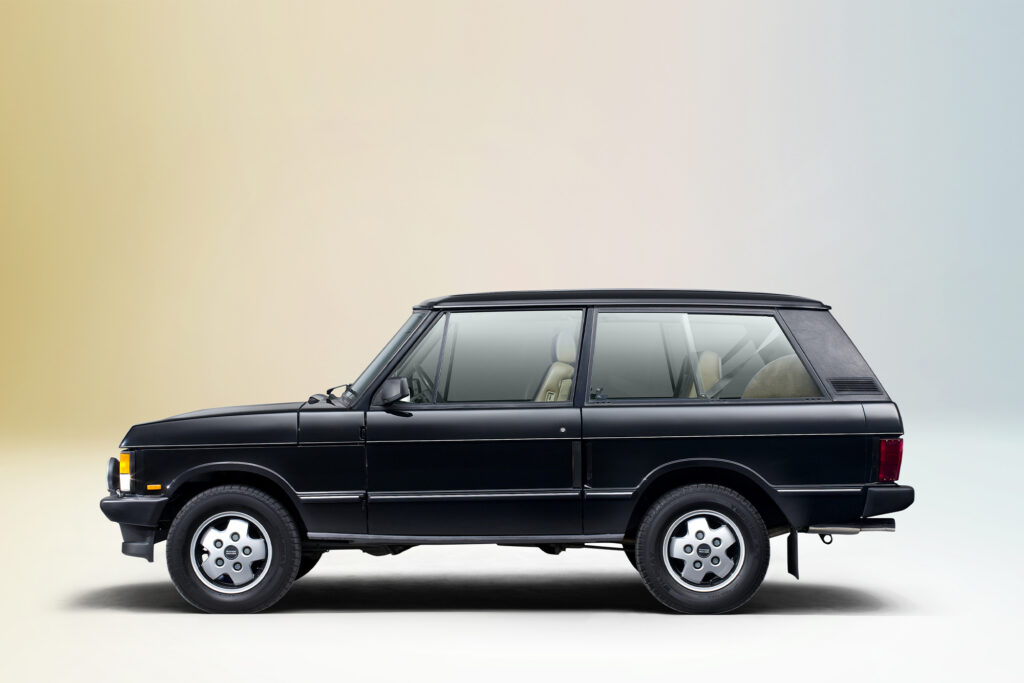
Inspiration can come from anything, “but it’s never cars,” Beaven admits. He’s a fan of classics, like the original Range Rover, the Alfa Romeo Duetto, the Jaguar XJ13, and the “flamboyant” Lamborghini Aventador, but inspiration comes from outside of the automotive realm.
He cites Mies van der Rohe’s Barcelona Pavilion and Farnsworth House as reference points, but adds inspiration could be “literally anything.” As a former clay modeller, he’s always looking for different ways to treat surfaces, new shapes, new forms, and graphics. Lately, Beaven has been into motorbikes, and has gone down a bit of a rabbit hole on watches. (Everything from modded Seikos to classic Casios, a CWC field watch, a Rolex Submariner and Explorer, and a Sinn that has become his daily.)
For artists and creative people, inspiration usually isn’t the hard part; the hard part is whittling down all the designers’ various ideas to find one that will become the next Range Rover. Two questions always guide that decision, Beaven explains: first, does the design meet the brand’s values of reductive, visionary, authentic design? Second, does it move the brand forward?

“It has to say something. The last thing we want to do is just follow the market. That’s never where our success is,” Beaven reminds me.
What excites him are the possibilities. Beaven lights up over solid-state batteries and the design freedom they might unlock. “If the car is the battery — if it becomes integral — we can start to change proportions, reposition occupants. Any car designer would be excited about that,” he says. And then there is the longer horizon: autonomous vehicles and what a driverless Range Rover experience might actually feel like. “It’s exciting,” he says, “but very challenging.”
Matthew Beaven still has his lump of clay, but now he has a plan. His lump of clay is Range Rover, and his plan is the process. Trusting the process is a creative leap of faith that requires no small amount of confidence — confidence in craft, in your team, in your taste — which is exactly what it takes to look at something as close to perfect as a Range Rover and ask what it could become next.
FEATURE PHOTO COURTESY OF RANGE ROVER.