
D’You Know What I Mean? is a column on style and culture where writer Ben Kriz weighs in on taste, trends, and what it all means.
It has often been argued that the monoculture is dead. The era when millions of people encountered the same culture at the same time has been replaced by highly personalized feeds.
When Seinfeld aired its finale in 1998, 76.3 million Americans watched. The next morning, the country was working from a shared set of references: the same shows, the same stars, the same handful of songs.
Today’s audiences are scattered across streaming services, on-demand choices and social feeds propelled by an algorithm that keep us locked into whatever we are already interested in.
But lately, I’ve noticed that, at least when it comes to clothes, the monoculture hasn’t entirely disappeared.
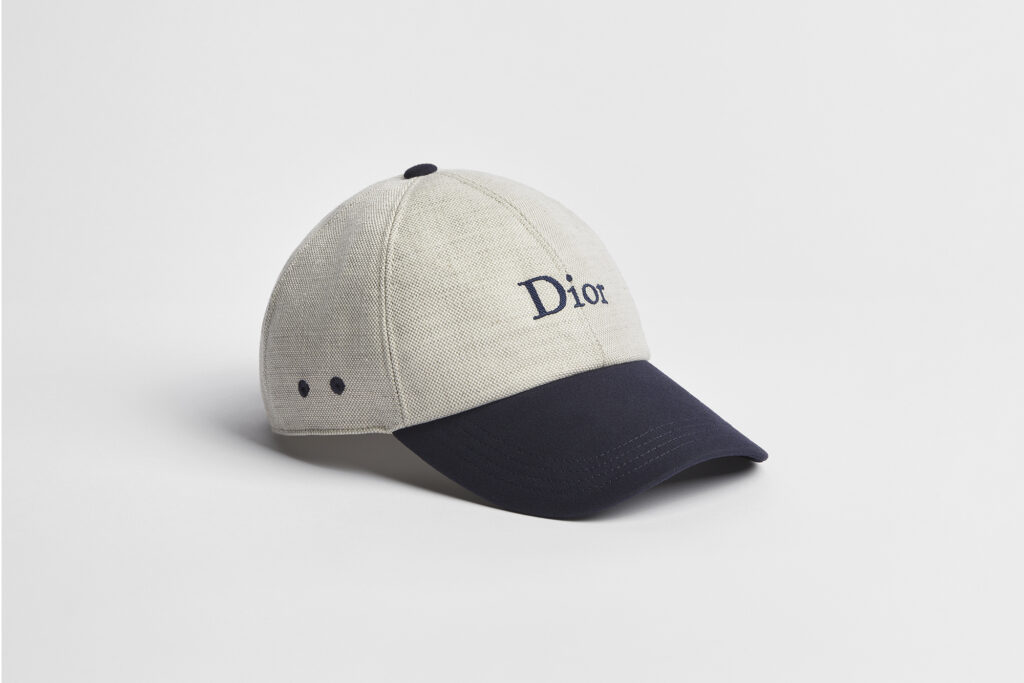
I live in Toronto’s west end, and whenever I walk along Ossington Avenue, regularly named one of the world’s “coolest” streets by people who apparently haven’t spent much time there, I like to play anthropologist and look at what everyone is wearing. This summer, I routinely need three hands to count the guys in two-tone cream baseball caps. You know the ones: off-white crown, coloured brim, usually forest green, small embroidered logo, vaguely ’90s athletic aesthetic.
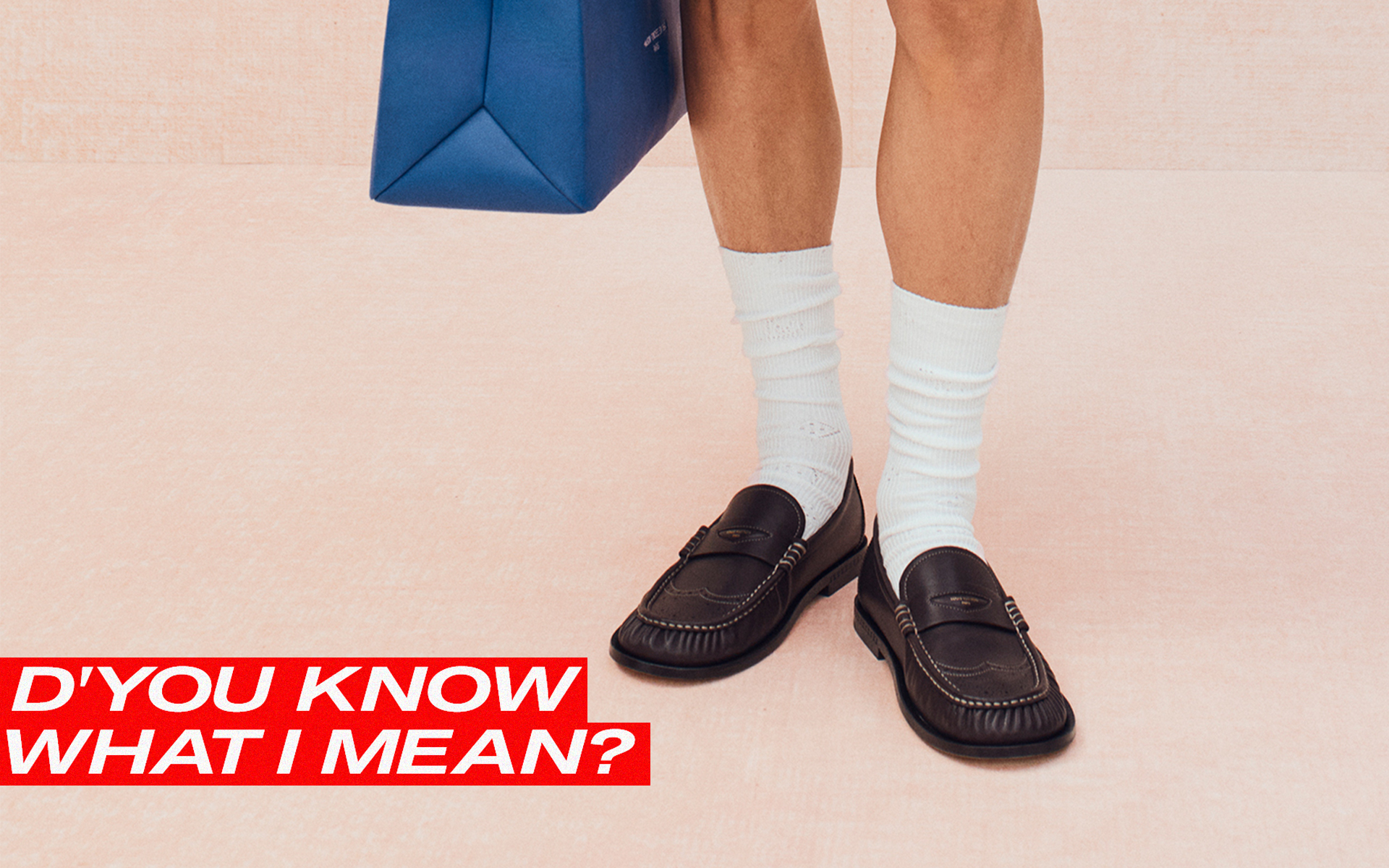
We have access to every style and subculture that has ever existed, yet we keep arriving at the same hat. Jorts are everywhere, too. Last summer, it was white socks and black loafers. Those are still here. There is nothing wrong with any of these items individually, but after seeing the hundredth variation of the same outfit, it is hard not to see the algorithm’s invisible hand.
When I was in middle school, Gap released its now-iconic 1998 khaki campaign. One commercial featured extremely enthusiastic young people swing-dancing in khakis against a white backdrop to “Jump, Jive an’ Wail.” Others featured hip-hop dancers and skateboarders. Suddenly, everyone in eighth grade wore khakis. Months earlier, wearing light tan pants to school would have been deeply uncool. Then Gap gave us permission. The pants looked cool in the commercial, and everyone had seen the commercial.
In a strange way, our supposedly personalized social media feeds have become the Gap khaki commercial of today.
Consider the aforementioned hat. Aimé Leon Dore helped popularize the look with its cream-and-green Unisphere cap, a five-panel throwback to vintage athletic and souvenir styles. It was, for a short time, very popular with the cool kids of New York. It quickly became shorthand for “taste” online. Its popularity on Instagram brought the look into the mainstream. Now countless brands make their own version, and the hat has moved from fashion guys to golf guys to your co-worker. It became desirable because it was everywhere. It is distinctive without being dangerous. Most people want to keep up, not stick out. The cap allows them to do both.
Fashion has always involved conformity. Punks had leather jackets and band patches. Skaters wore scuffed shoes and big pants. Even preps could judge one another by the fraying of an Oxford collar. These groups had rigid rules and plenty of tedious gatekeepers, but their clothes were generally attached to something beyond shopping: music, sport, geography or an actual community.
Now, those references circulate without the worlds that produced them. You can take the shoes from one group, the jacket from another and the hat from a third, then discard the whole thing when the feed refreshes.
Recently, while eating pho on Ossington, I noticed a man dressed entirely in black, with neck tattoos and a leather jacket embossed with the logo of the German metal band Rammstein. Amid the algorithmic dressing that floods the street, seeing someone following a completely different set of references felt almost exotic.
Trends are unavoidable and aren’t inherently bad. But the algorithm has a funny way of making us think a mass trend is something we’ve personally discovered. At a certain point, personal style stops telling us who someone is and starts telling us which part of the internet they spend time on.